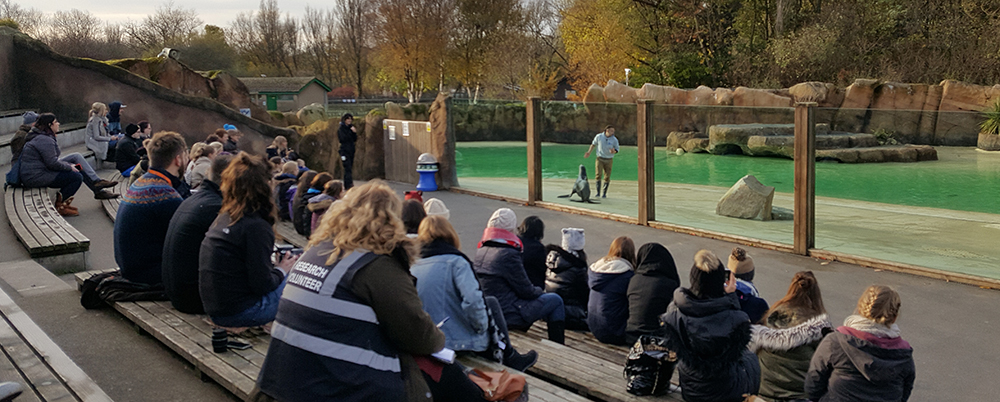
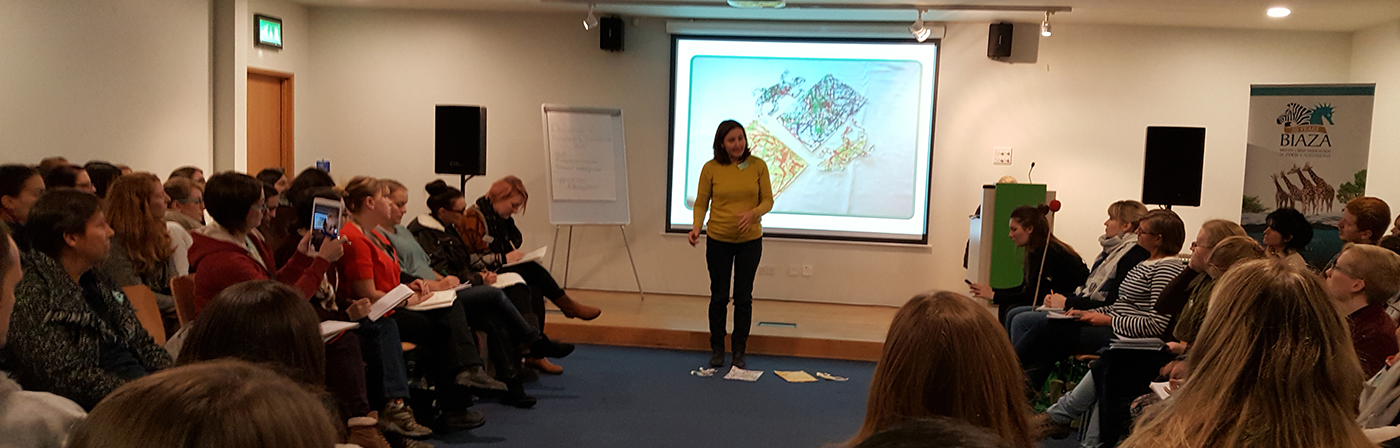
Career Advice & Preparing for job interviews

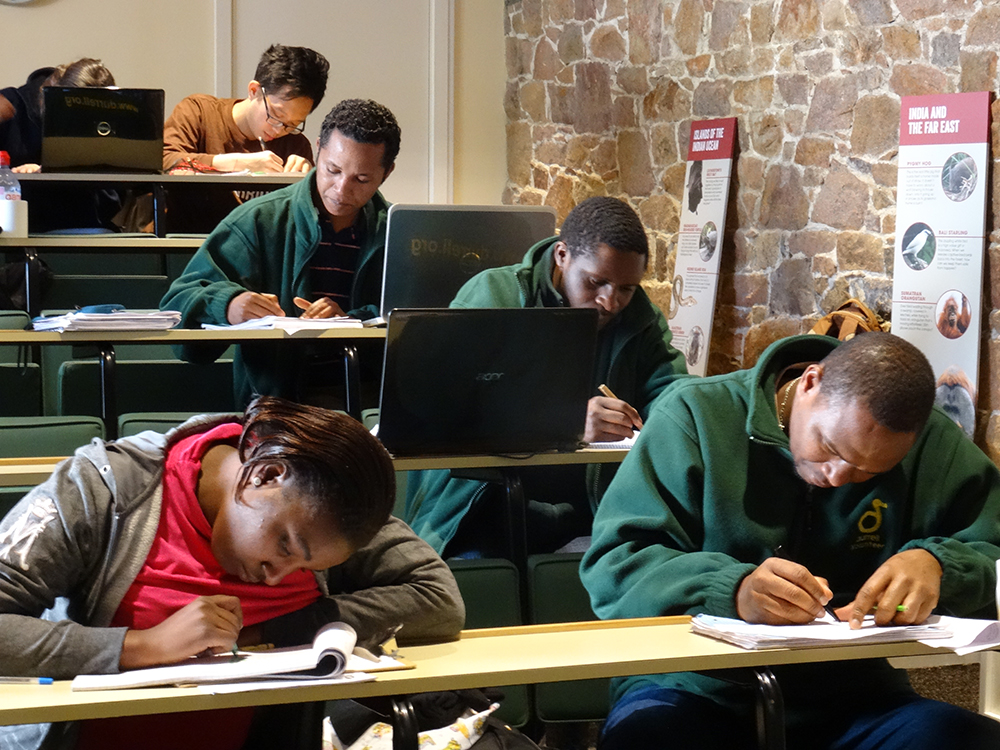
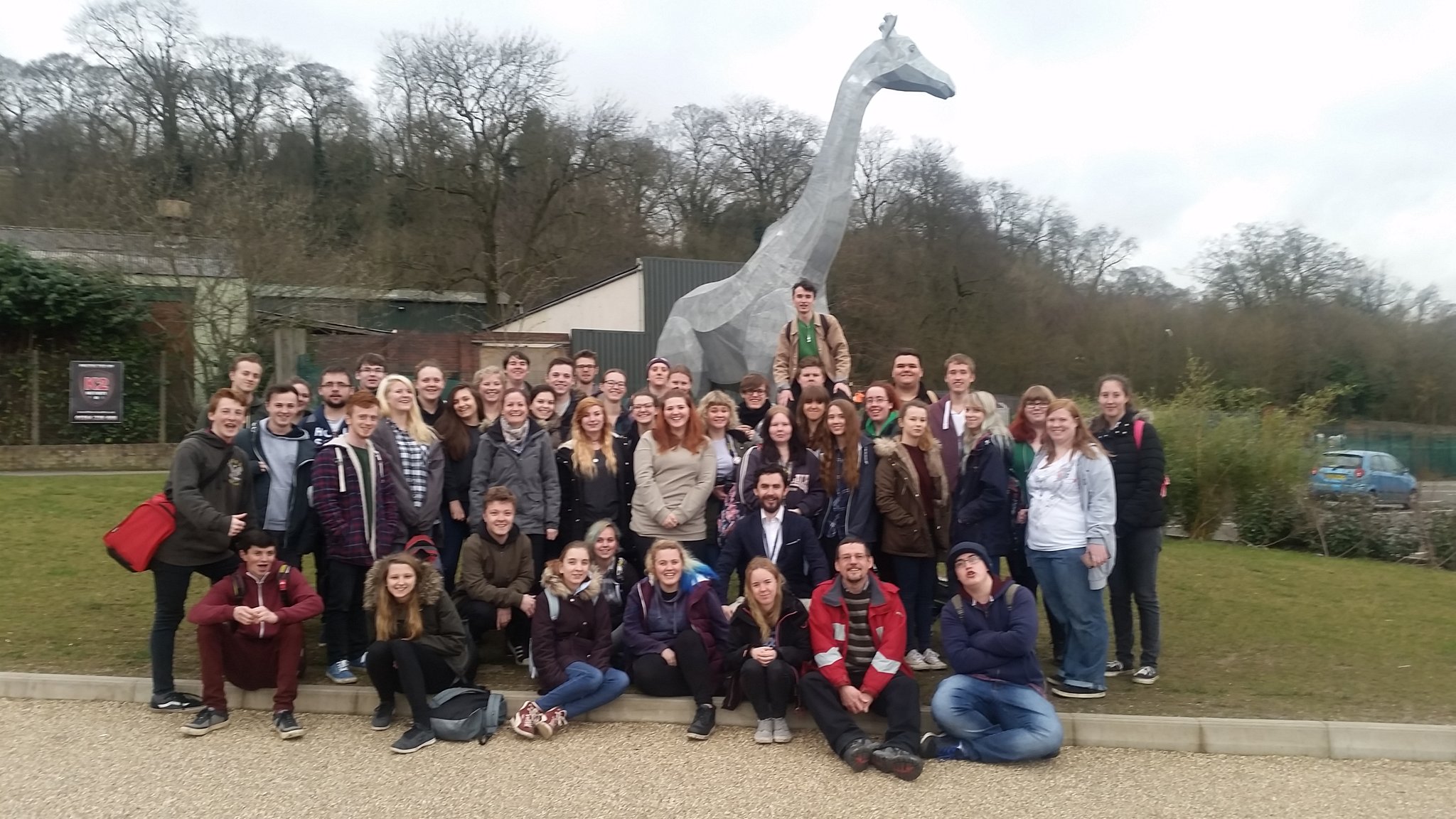
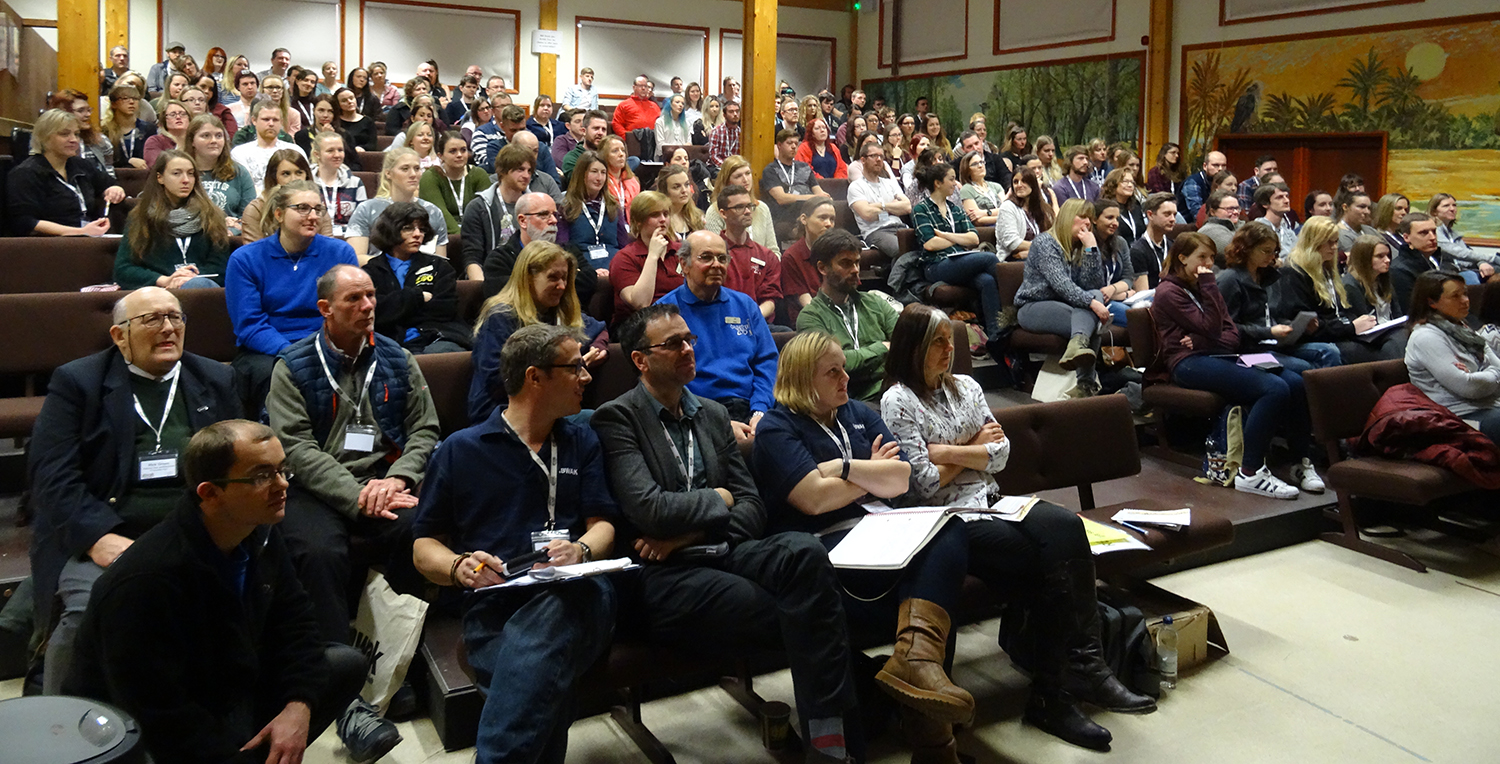
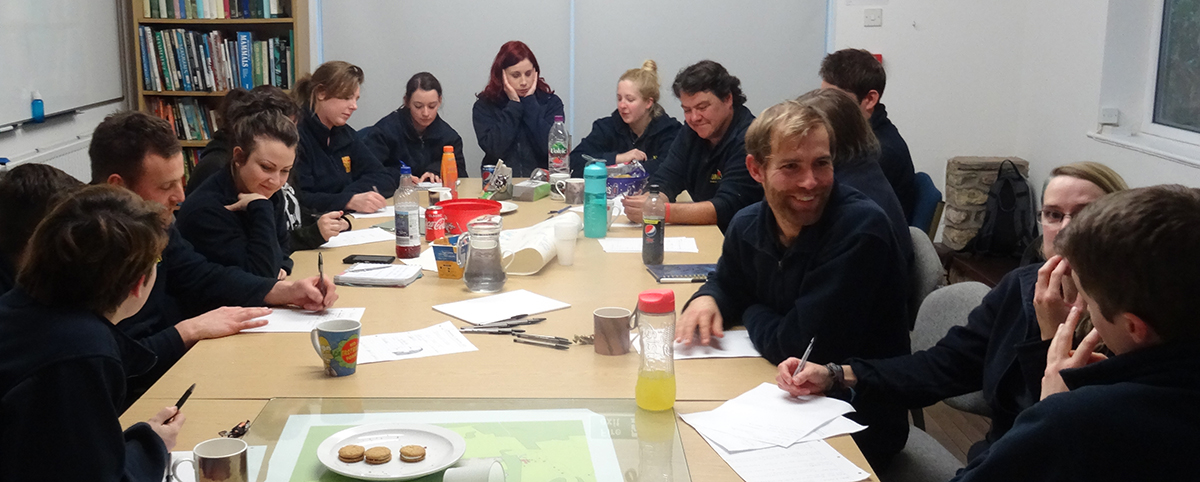
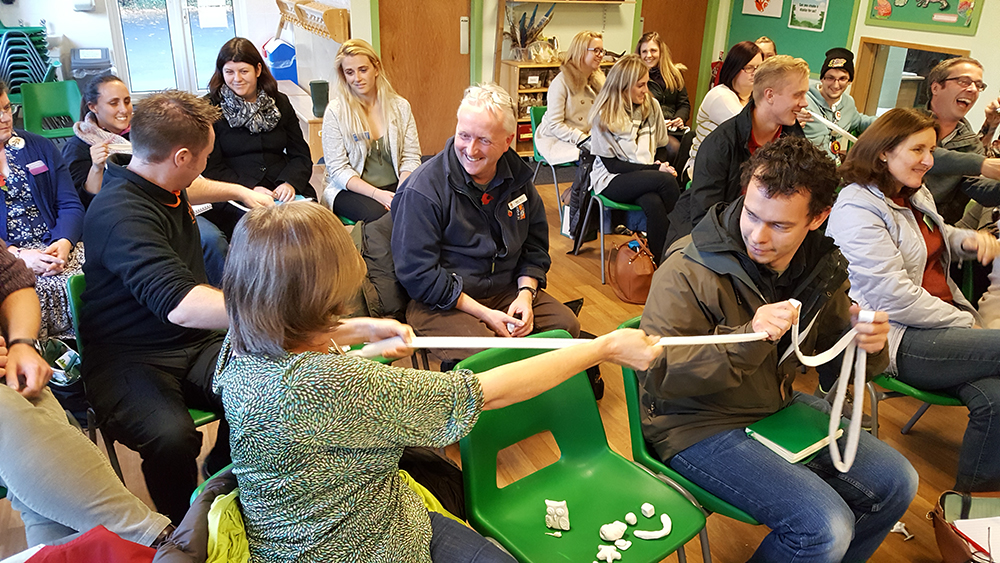
In my career I have interviewed a few hundred candidates, and gone through several thousand CVs and application forms. Fortunately, I have been on the other side of an interview just a few times. So it was good to use this wealth of experience and help create the first ABWAK Associate Members Careers Workshop held at Sparsholt College in mid March 2017.

Alongside presentations and activities from ZooStephen on my career, understanding job adverts, CVs, application forms and interviews, the day included advice on volunteering and networking from ABWAK Council member Daniel O’Loughlin (Sparsholt) and career case studies and question time with Kathy Doherty, ZSL Whipsnade Zoo and Meg Fieldhouse, Marwell Zoo.

The delegates, mostly at the start of their ‘zoological’ careers, engaged in discussion and activities designed to help them improve their own CVs, understand the recruitment process better, and prepare for their future careers.

The day was also designed to provide an honest appraisal of the job situation and employment in the ‘zoo industry’, and so delegates were made aware that jobs are very competitive, salaries still low, especially at junior level, and that many are using ‘volunteering and internships’ as additional routes to employment (but there are no guarantees, and risk of working for nothing). Sometimes being an excellent candidate is not enough, there is an element of what some call luck – being there at the right time, knowing the right people etc. Being the best candidate on paper doesn’t necessarily mean being the best person for the job. Unfortunately it is also true to say that the best person for the job may be passed over – and this may be because on paper they don’t have the best qualifications or experience, or they are over-qualified etc. It’s life, and it’s not always ‘fair’.  Be persistent, pursue the dream and passion… but be prepared to alter path and modify goals in the light of experience.

Feedback from delegates showed that 81% strongly agreed that the presentations and activities were excellent (with the remaining 19% agreeing excellent).  And comments included:

Really informative, found all of the talks really interesting and helpful.

Really interesting day to give insight into a process that is frustrating and usually comes without any feedback.

Really enjoyed the day. Excellent information about CVs and interviews which is really relevant.

The day was very beneficial to help me understand the positives and negatives of zoo work. Also have new ideas and changed path to achieve my goal.

Absolutely fantastic! I don’t think it could have been more helpful!

Thanks to Sparsholt College for hosting and to Daniel, Kathy & Meg for their input and to ABWAK.
More ABWAK Career Workshops are planned, and I offer careers talks as ZooStephen.

Experiential Learning at Dudley Zoo

There are many ways to learn and expand knowledge. There is undoubtedly a place for lectures, books, private study and classroom activity. However, a lot of ‘theoretical’ and ‘philosophical’ learning is put into context and enhanced by opportunity to engage ‘in the field’ and undertake experiential learning.

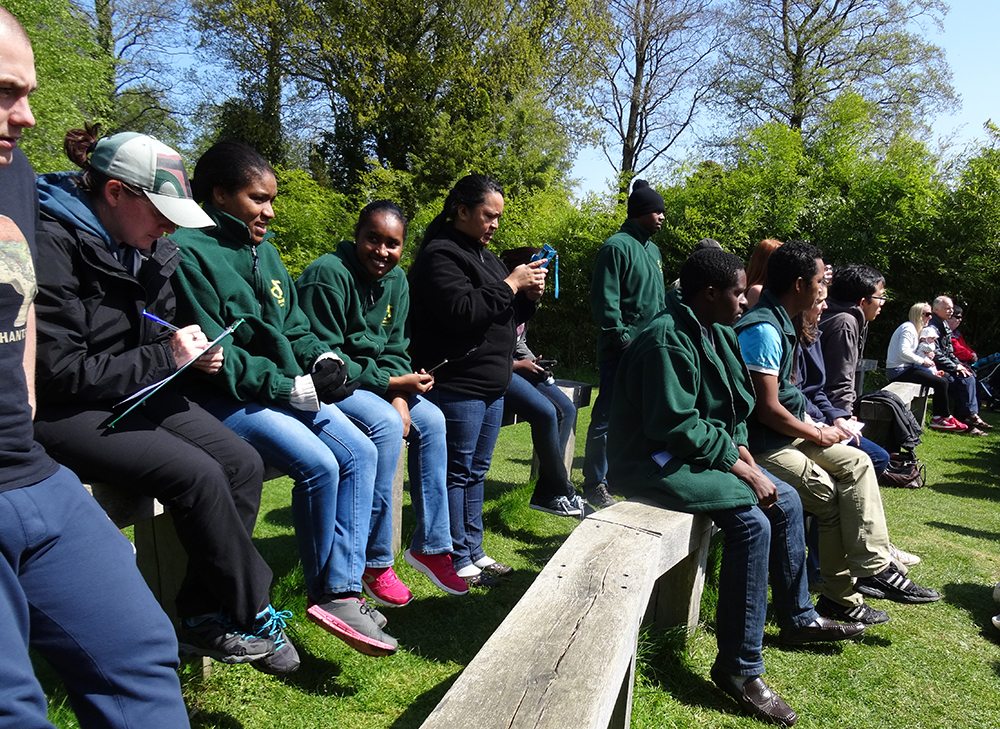
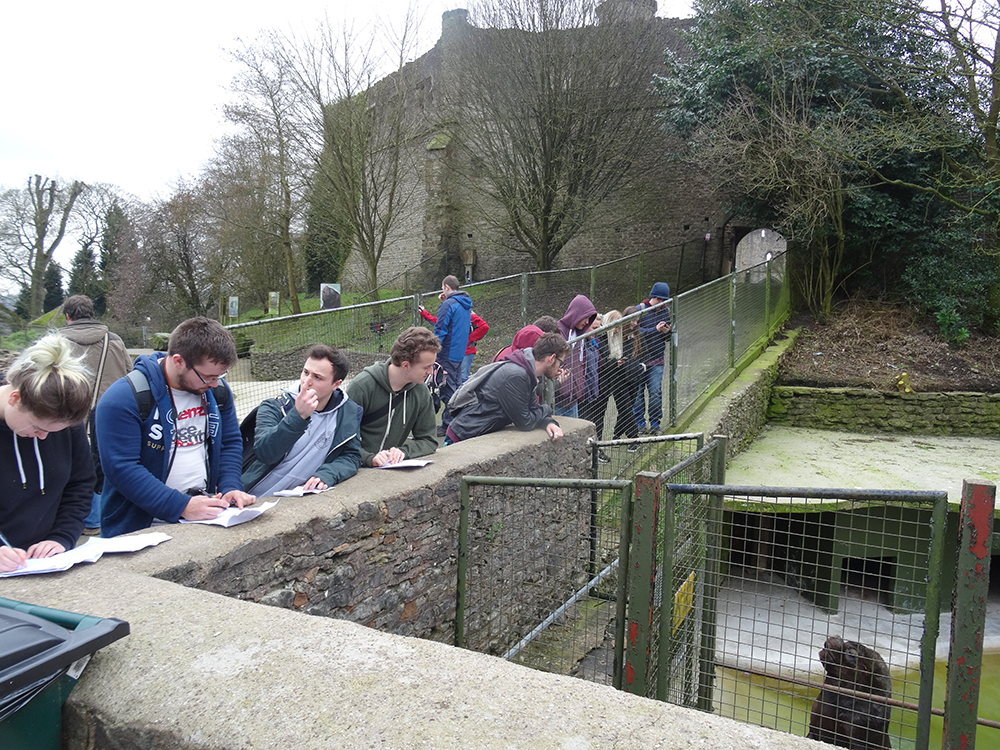
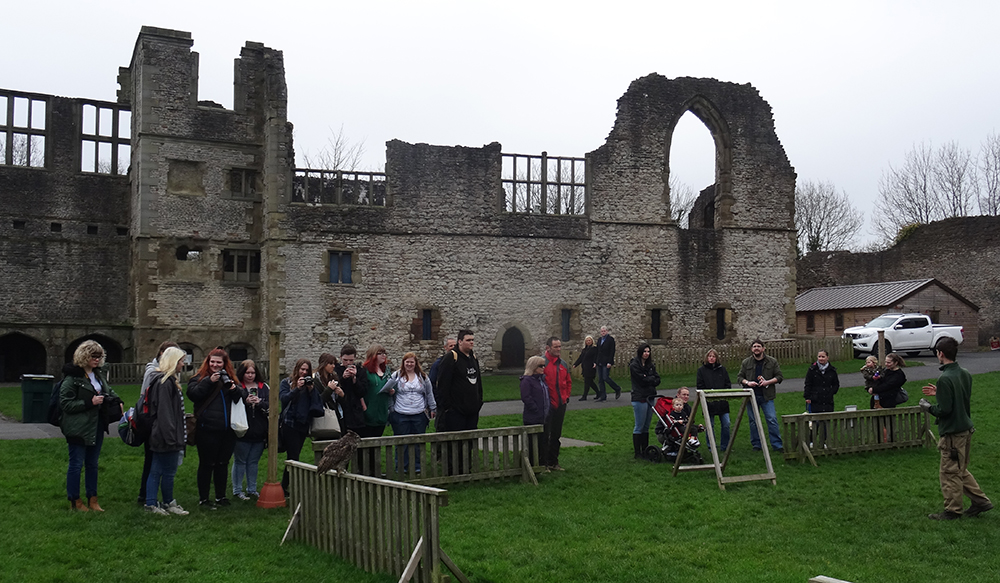
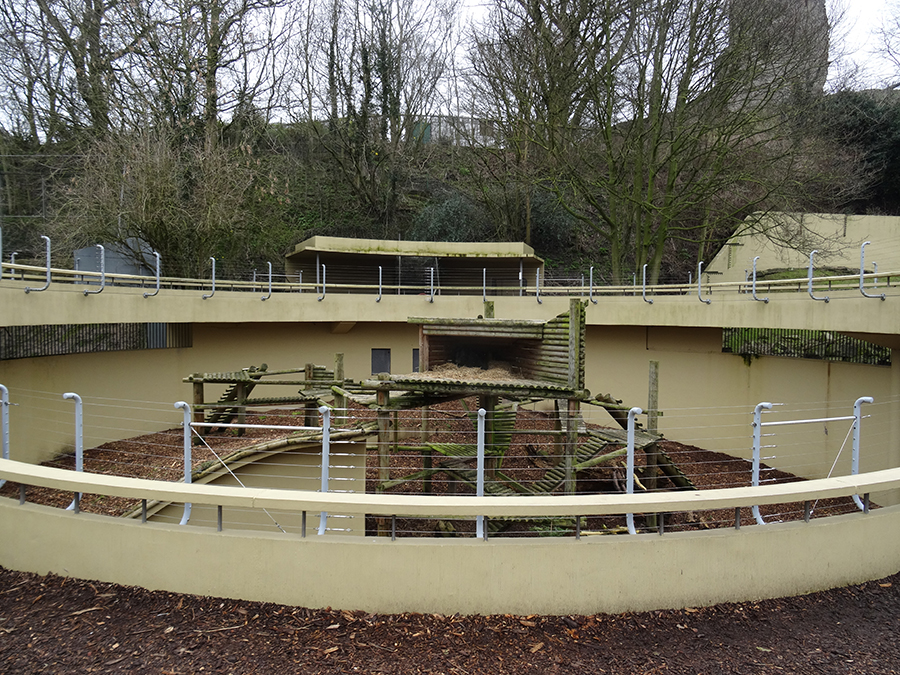
I was delighted to lead students from Sparsholt College, Hampshire on a field trip to Dudley Zoological Gardens so that they could fully appreciate the practicalities of operating a zoo, designing enclosures for diverse species, and working within the constraints and opportunities of a historic site of national importance with Dudley Castle, and the important (and listed) 20th century modernist architecture of Tecton buildings – and on a hill.


Dudley Zoo celebrates its 80th year this year, and has seen many changes in both species and exhibits in this time, which includes the original ‘Tecton‘ buildings for animals such as polar bears and elephants (no longer kept) and their adaptation for other species, as well as the creation of a diversity of other exhibits from chimpanzees to Asiatic lions on the site. Comments and questions from the students in response to seeing and experiencing the site illustrated the value of spending time exploring and discovering, as well having some guided time and developing real understanding of the way in which the zoo has worked to cater for the animals, staff and visitors.

Zoo visits enable students to ask questions, to observe and to develop and challenge opinions. Zoos are varied and there are diverse issues faced. Students understand through their own experiences what challenges there are, and that keepers are working hard for their animals and within constraints of budgets as well as site.

Through the day Dudley Zoo staff were welcoming, friendly and happy to answer questions. It was therefore, great to end the day with opportunity to question the zoo curator and registrar, and hear about some of the history but also the work in progress and development plans.

So a day out may appear to be ‘fun’ and even ‘time off’ but in fact such a visit consolidates and extends learning and understanding, providing context and experience – and is highly recommended!

The importance of networking – in praise of ABWAK

For 160+ keepers, 4-5 March 2017 was a very full weekend of networking, talks, workshops and activity held at Colchester Zoo. The annual ABWAK Symposium was once again a huge success, and I was proud to be Chair of the meeting, and complete my term as Chair of the Association and be honoured with the new role of Vice President.

The weekend featured many different topics and taxa, but was framed around our theme of expanding knowledge and networks. The two keynote talks – David Field, Zoological Director ZSL and new ABWAK President on day 1, and Lesley Dickie, CEO of Durrell Wildlife Conservation Trust (& Jersey Zoo) on day 2, focused upon both the importance of knowledge and of networks – but also the pitfalls of ‘fake news’, having trust, responsibility, ethics and honesty and having ambition, learning from failure, and being brave in career choices and development.

The network of zookeepers (and private keepers, along with those aspiring to be keepers through courses etc) has significantly advanced and grown since ABWAK was founded in 1974, not least with the development of the international network ICZ which held its first meeting in 2003.

I joined ABWAK in March 1987 when small groups of keepers met occasionally including for social activity such as inter-zoo quizzes, & the keeper training course (national extension college) was well established, but the network was small. However, over the years and especially so in the past decade, the association has become praised for its symposium and knowledge sharing, alongside its training role with well received workshops on a diversity of topics.

The ABWAK / keeper network is important and now has over 1000 paying members. It has directly helped many participants in both developing their own knowledge and practice but also in career moves. It is often those ‘casual’ relationships and conversations that lead to opportunities, and knowing who might be willing to volunteer to help on a studbook or have ideas and advice … as well as those that may be possible new employees or employers.

To this end, I’m delighted to be helping ABWAK deliver its first Associate Member workshop on 18th March at Sparsholt College, focusing upon careers and helping those aspiring to become keepers to improve their job selection, application forms and CVs, and interview techniques. Then once they have entered the profession to utilise the network effectively and contribute to the development of their profession into the future.

Challenging Communication – Training @Longleat

Spare a thought for those members of staff in zoos, aquariums and visitor attractions that are tasked with communicating with visitors. It’s not as easy as you may think.

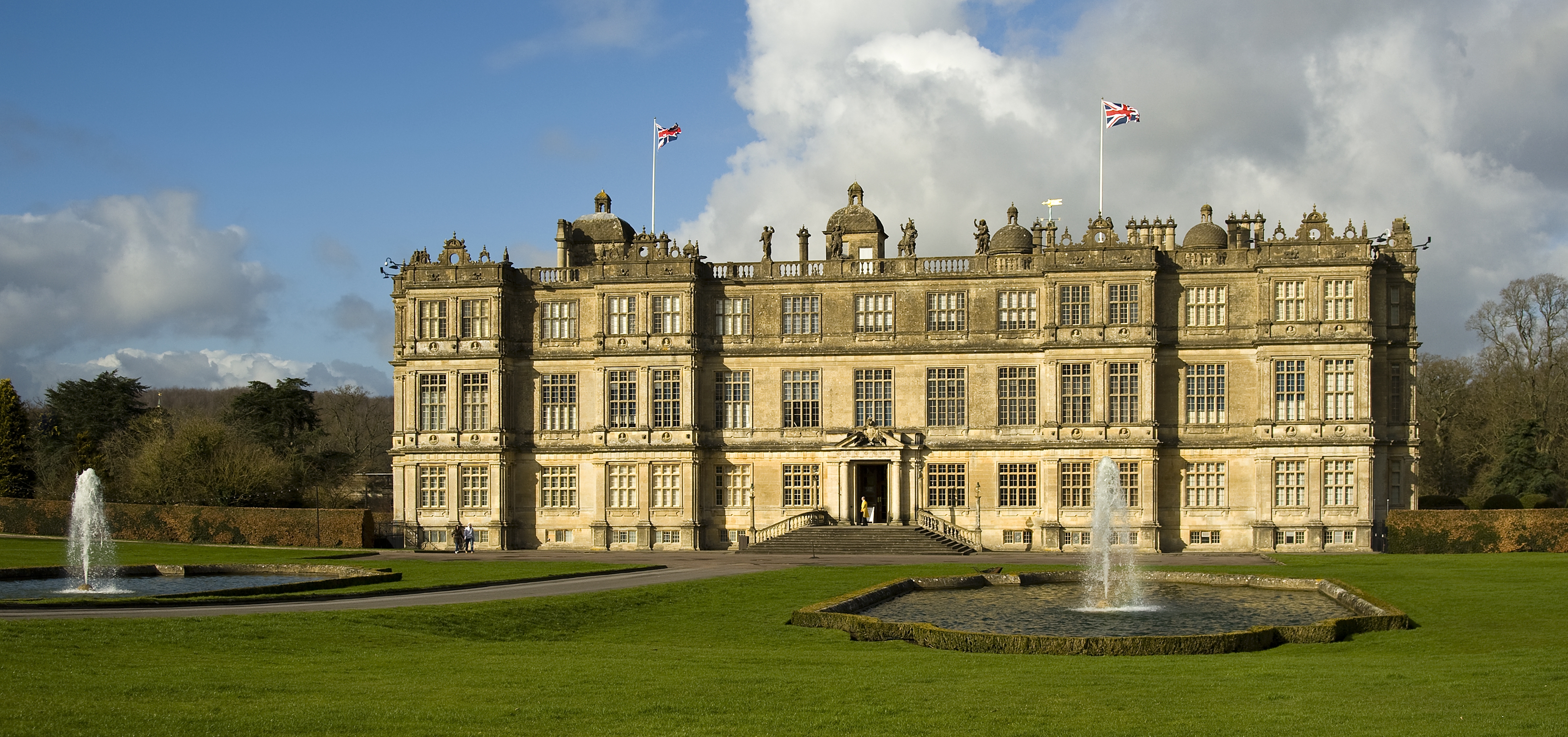
I was delighted to work with the excellent staff team at Longleat, Wiltshire, mid January 2017, in two one day workshops developing their skills in presentation and communication.  Longleat is an amazing place – not only the UK’s first safari park (opened 1966) but also has a walk around animal adventure area, lake and boat safari, play areas, train, the maze, and of course Longleat House and estate.
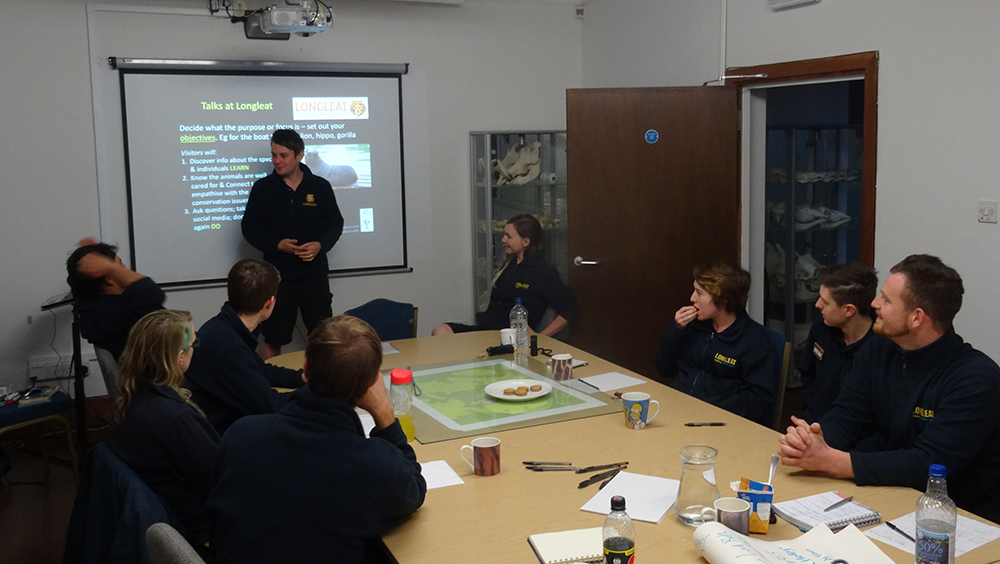
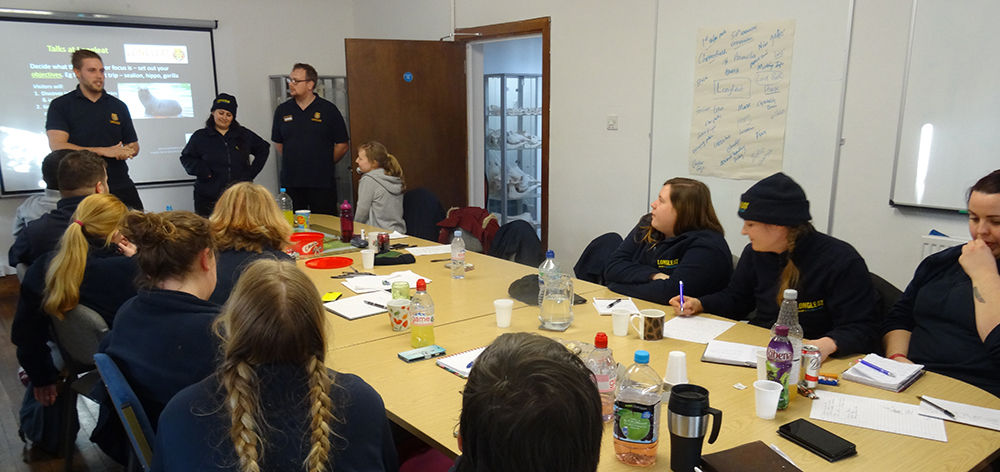
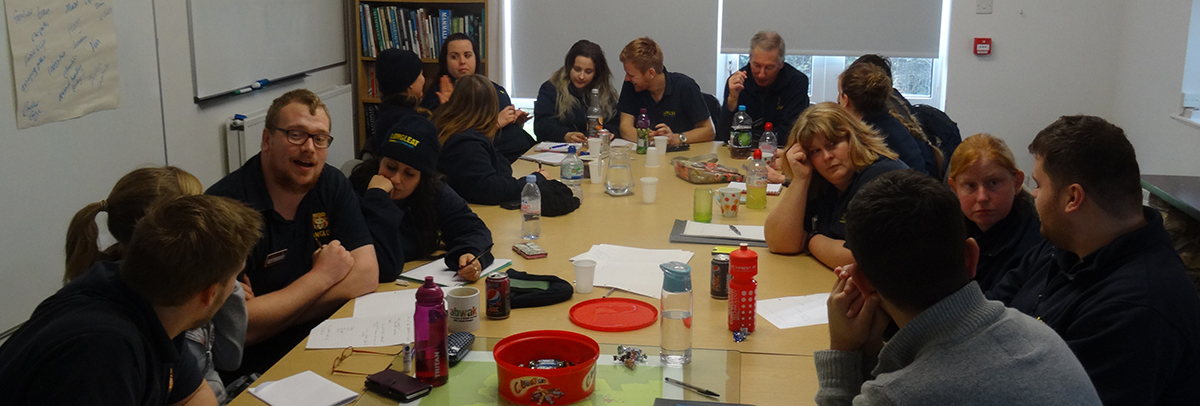
As an illustration of the challenge faced by the ‘educator/ keeper/presenter’, we looked at the Longleat Jungle Cruise – which is a short boat excursion on the lake, featuring Californian sea lions (an opportunity to feed), African hippo, gorilla islands and native wildlife. The presenter not only tries to talk about all the species, some conservation concerns, and other aspects of Longleat, but also do the safety announcements and oversee the sea lion feeding with the passengers who want to do it (small charge).

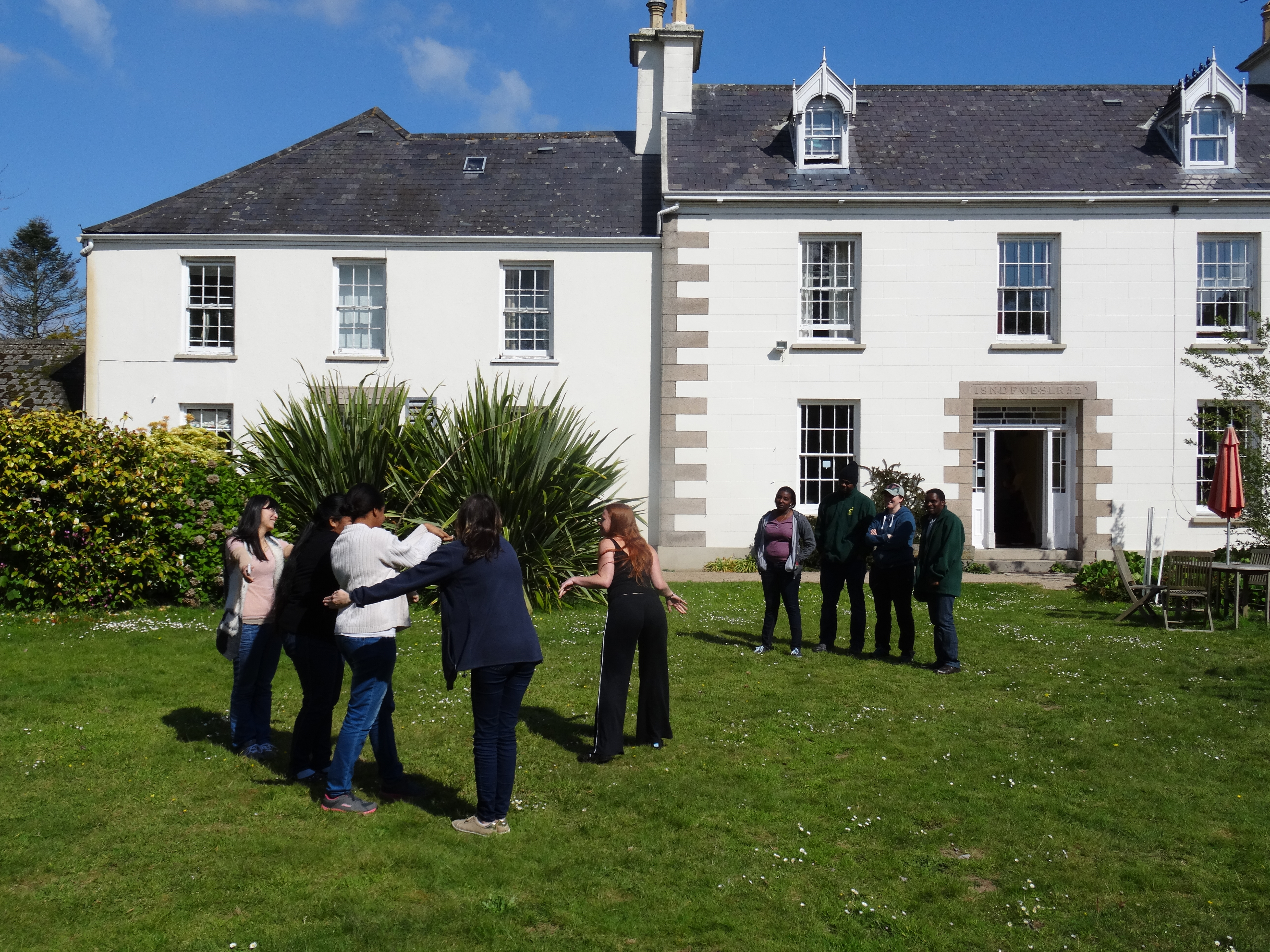
As part of my workshop, in small groups, the participants looked at what the objectives should be for the cruise, using the ‘Learn, Feel, Do’ model and enacted the experience – with considerable humour.

Sometimes, its good to recognise that you can’t say it all, and visitors aren’t going to listen to it all anyway. So the challenge is to make the ‘talk’ and associated activities FUN and set realistic objectives to achieve, not least of which is to inspire and excite visitors with the natural world and encourage them to find out more and get engaged in activity to support long term conservation.

The workshop included diverse activities and presentation of ideas and background and I thank the team at Longleat for their very positive feedback, for example:
Really good day, enjoyed the practical part a lot. Thank you.
Very informative and inspirational.
Very informative. Gave me more confidence to do talks. Thank you.
Excellent workshop. Well prepared and researched. A range of examples with numerous ideas out of the box, inspiring a different way of thinking. USP is enthusiasm + passion.


Folly Farm Communication & Presentation Skills

“Exceptionally encouraging throughout. Thanks very much.”

“It was a good day, really enjoyed the course. I learnt a lot and have picked up new ways to talk to people.”

“Very much enjoyed the course and feel it was good equal listening and involvement. Learnt a lot and feel more confident in public speaking. Thank you.”

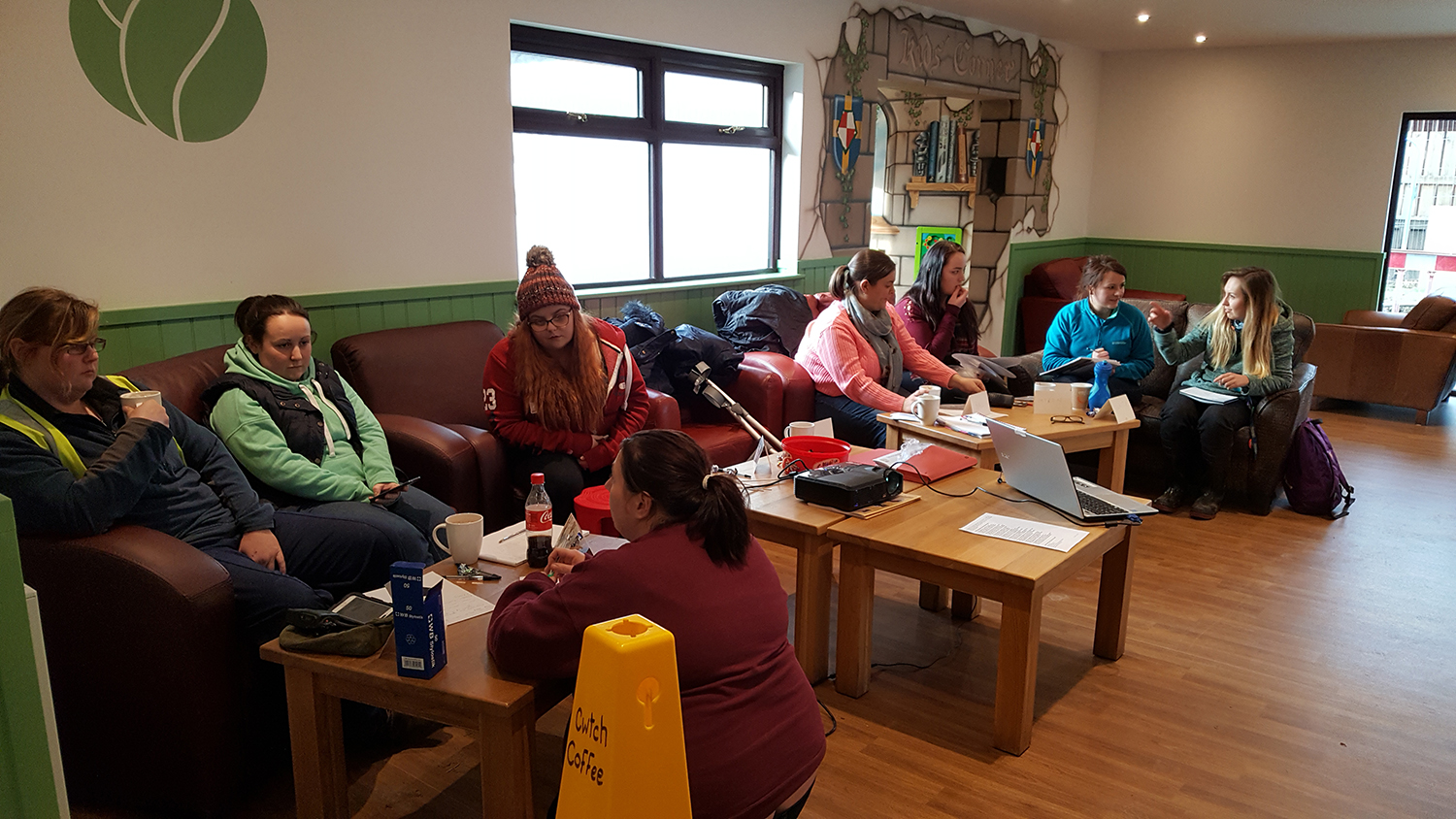
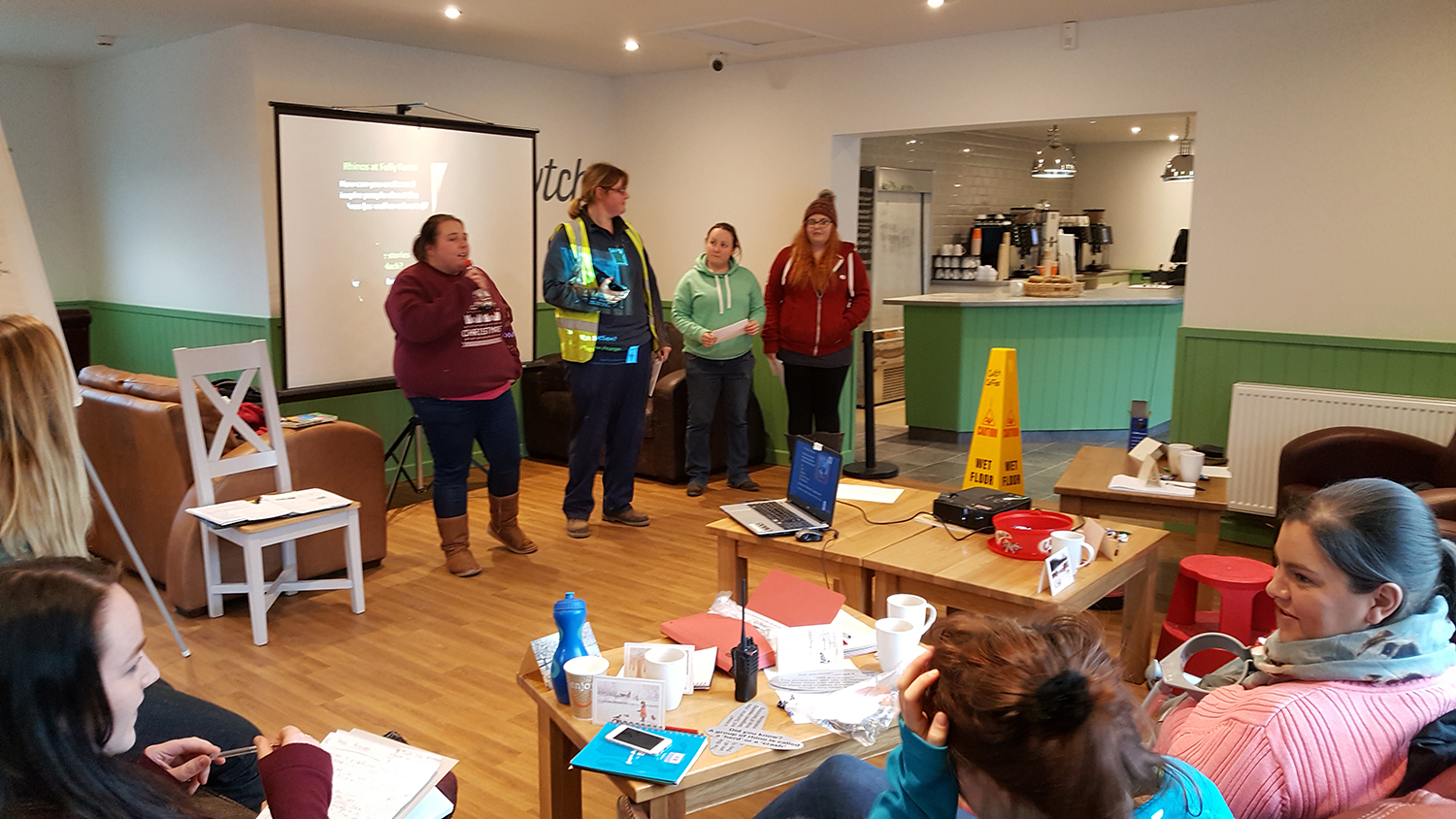
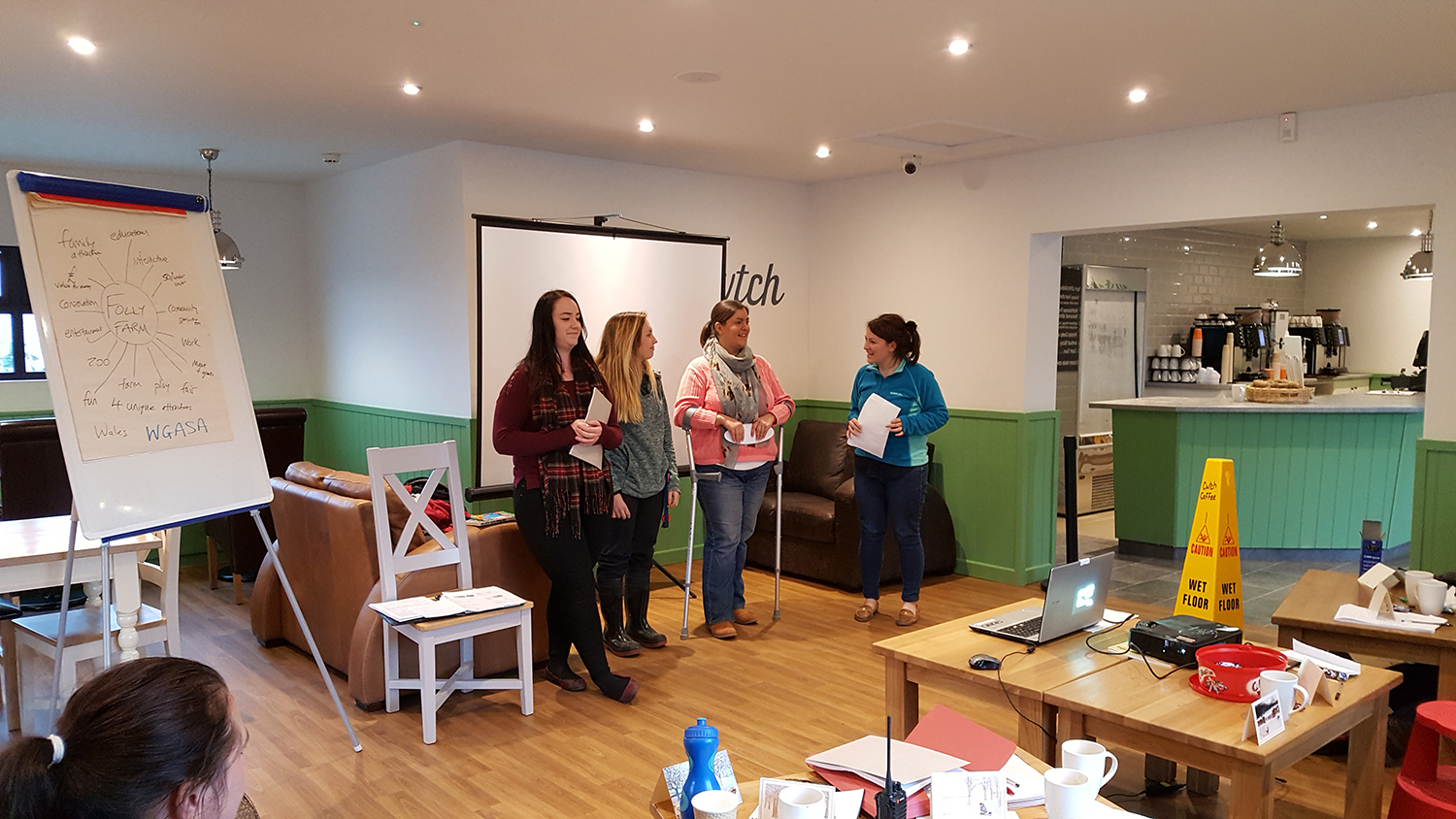
It was great to return to Folly Farm this week (after the ABWAK conference there in March) and this time to have a small group of staff on my communication and presentation skills workshop. Thanks to them for taking part and their excellent feedback. I enjoyed it too, and adapted some exercises to be Folly Farm specific and was impressed with the group exercise on doing a rhino talk. I look forward to visiting Folly Farm again and seeing staff in action!

Folly Farm, near Tenby, South Wales, is certainly developing and growing and has just won ‘Best day out in Wales’ – with 4 unique attractions in one – farm/barn, zoo, funfair & play.  A new entrance building and shop area in construction right now, plans for a holiday village and continued work on managing and developing the animal collection … so definitely a place to visit and keep an eye on. Thanks to Folly Farm for booking ZooStephen.com

group group1


group2

BIAZA Education & Presenters Conference

The 2016 BIAZA Education & Presenters conference was hosted by Blackpool Zoo, 10th-11th November. This was the 25th annual national zoo education conference I have attended (having only missed a few in my 30 years engagement), and also held in the 50th anniversary year of BIAZA. Over the years many of the attendees have changed, but its still good to meet old friends and make new ones. The strength of these meetings is the exchange and sharing of ideas and information among a community of educators from large and small collections – ‘zoos’, aquariums, safari parks, & bird gardens. The programme of speakers and workshops are also good CPD and training opportunities – I ran one of my workshops at last year’s meeting. This year there was also a focus on inclusivity which brought discussion and activity such as sign language; effective communication and voice training; special education needs and more. Once more the conference also proved that ‘education is fun’ and that “zoo educators” enjoy themselves (not least in social events too in downtown Blackpool) and we never tire of learning and developing, whilst being committed to promoting conservation and behaviour change.

blackpool1
blackpool3 blackpool4      blackpool5 blackpool6

International Education Network & Sharing

The International Zoo Educators association (www.izea.net) holds is biennial conference in Argentina in October. This will be the first time IZE has met in South America, and means IZE will have met on all the continents (excl Antarctica of course).

I have been directly involved with IZE for 20 years, and for the past 4 years I have been the editor of the IZE Journal. The 2016 edition of the Journal has recently been published and mailed to all IZE members.

ize-journal

The zoo education network is a great community for sharing ideas and best practice and thanks to the assistance of regional representatives of IZE and individuals working in this area, this year’s journal is another support for the profession.

IZE Journal 52 features articles from across the world. (Contents page featured below). The printed copy is mailed globally, whilst past issues are made available to all on the IZE website.

ize-journal2


Training and Development

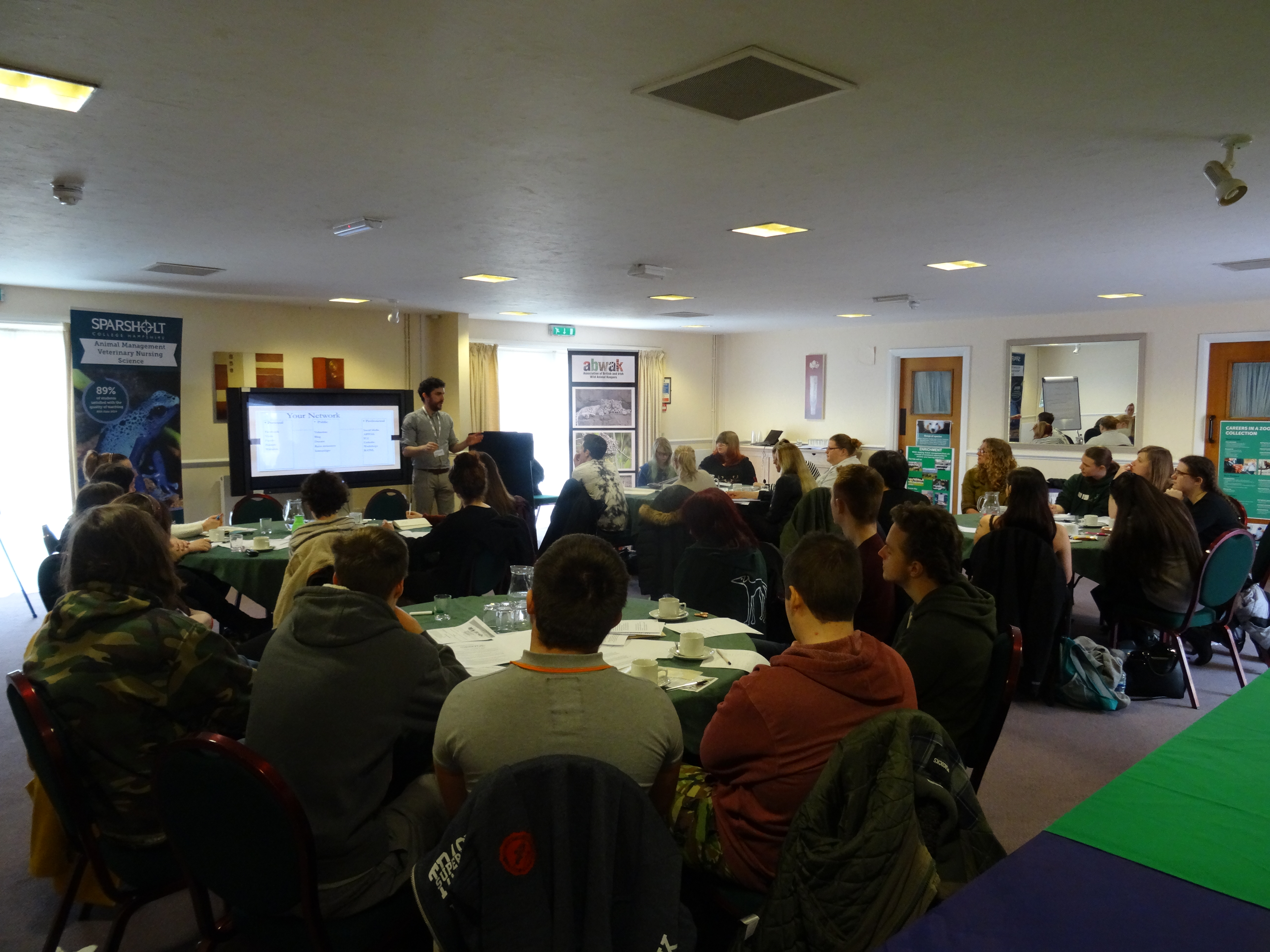
Nearly 50 students at Sparsholt College in Hampshire took part in my communications and careers workshop yesterday. We had fun exploring different communication techniques from poetry and tongue twisters to imitating animals and body language.  And importantly we also looked at the specific communication issue of applying for jobs and undertaking an interview. What’s your story?

sparsholt2 DSC02345


The students were great and this was the culmination of a year of activity of preparing for the world of work (I had worked with them before on trips to Twycross and Dudley) and I was pleased to see their portfolios and evidence of training, learning and personal information that will assist them in recruitment situations. Many of these students are well prepared and hopefully have an ‘edge’ over others, and can communicate this, given the chance.

The training and development of staff is something that pays dividends in terms of effectiveness, achieving desired outcomes, motivation and organisational pride.  Through ABWAK and in my previous zoo roles, I’m very pleased to have supported a diversity of staff to enhance their skills and develop the opportunities available to them and the organisation they work for.

branson1It is however, disappointing that in many cases, the support for training is expressed and stated in policy but not followed through in terms of providing sufficient time and resources to enact. My training workshops are therefore provided cheaply to enable participation and engagement and motivation; likewise ABWAK workshops are designed to support keeper development at minimal cost and use the community’s shared expertise.

Zoos are very good at sharing ideas and experience, working together on animal programmes and exchanging animals for breeding etc. However, this philosophy is only partly found in the area of staff training and development. Sir Richard Branson’s quote hits at the heart of the issue – some organisations worry that training their staff to be even better will enable them to go elsewhere (true)… but if the organisation really values its staff and provides good reason and motivation, and some reward, then those staff will stay and support the organisation to continuously develop and improve.

The employment opportunity for the students is limited by the current practice of ‘replacing’ previous work activity with internships and volunteering, and the wages offered to paid roles has been kept low by many, knowing there is always someone that wants to take the job and work in the zoo… I hope that the zoo community will heed Richard Branson’s words and do what it can to retain and develop the talent and expertise that it has nurtured and is available to it. Who are the next team leaders? curators? head keepers? directors? – they could be right there now, waiting and willing to be trained and developed.