Category Archives: Qualification

International Expertise

After 10 years of ZooStephen this year has been marked by further international engagement and travel. After a holiday visiting renaissance Italy (Florence & Pisa) in March, I travelled to Denmark & Sweden in April to deliver a training workshop and then at the end of May was part of a team visiting India delivering training as part of the pilot of the Indian Zookeeper Competency Framework for Life Science Education Trust [LSeT].
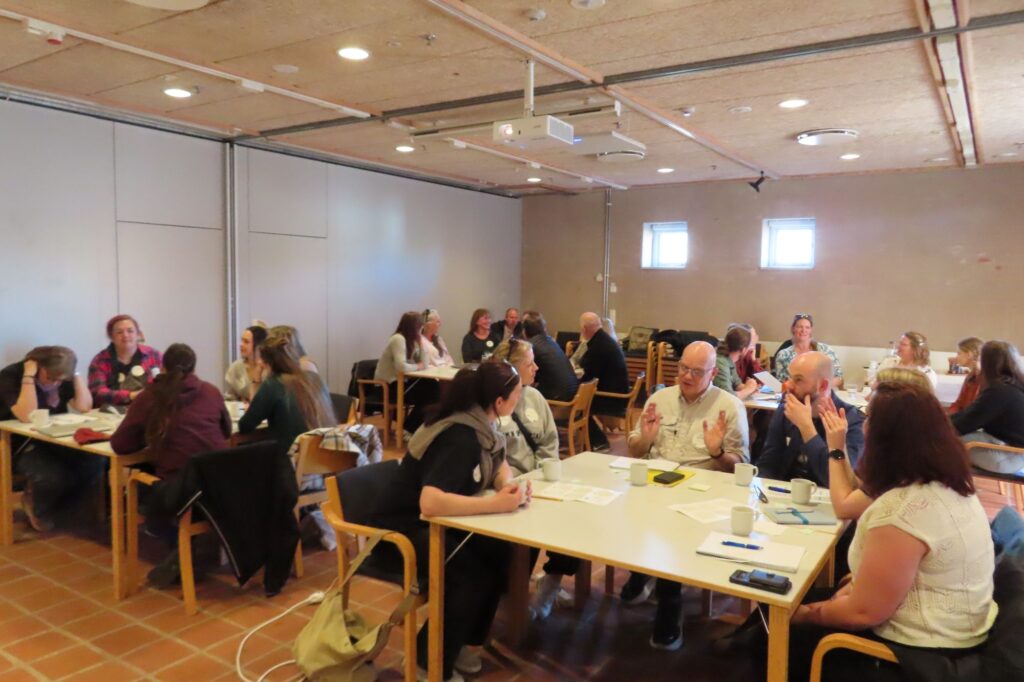
I was invited as a guest speaker / workshop leader to the Swedish Zoo Association – Svenska Djurparksföreningen – education meeting in Helsingborg, Sweden in April. It was great to facilitate a 4 hour session involving a diversity of communication skills and challenges to education conservation messages. The delegates came from zoos across the country and thankfully for me spoke excellent English.
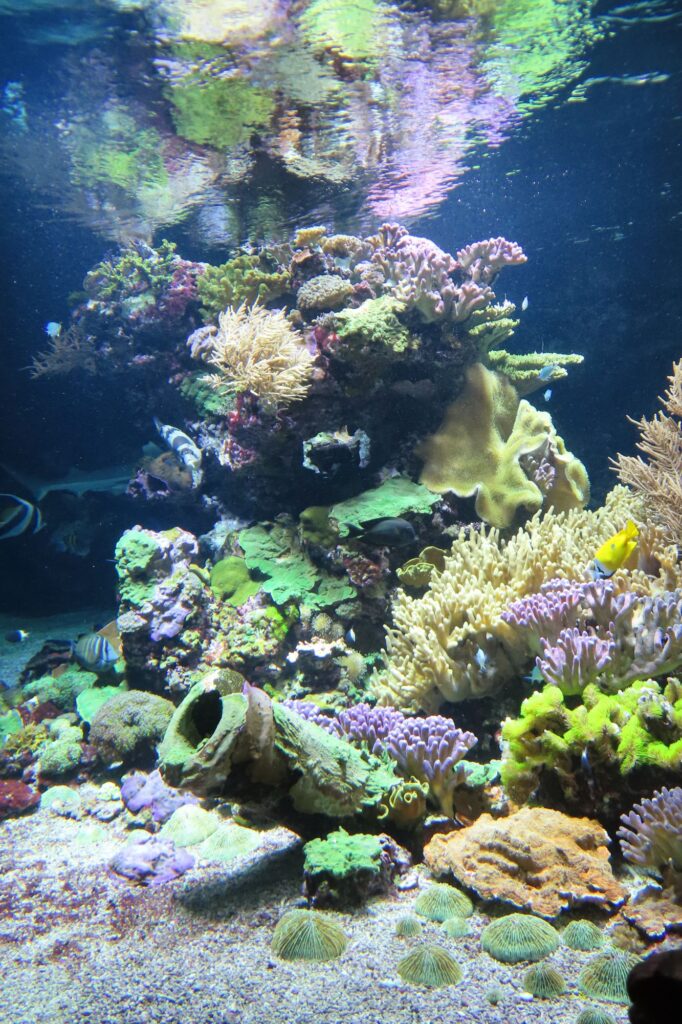
The workshop was held in the historical open museum however, the local zoo, Tropikariet, hosted a visit and dinner. An interesting small tropical collection primarily featuring aquarium and reptiles, with some other species. During my trip to the region I took the opportunity to revisit the historic Copenhagen Zoo – first visited back in 1996.
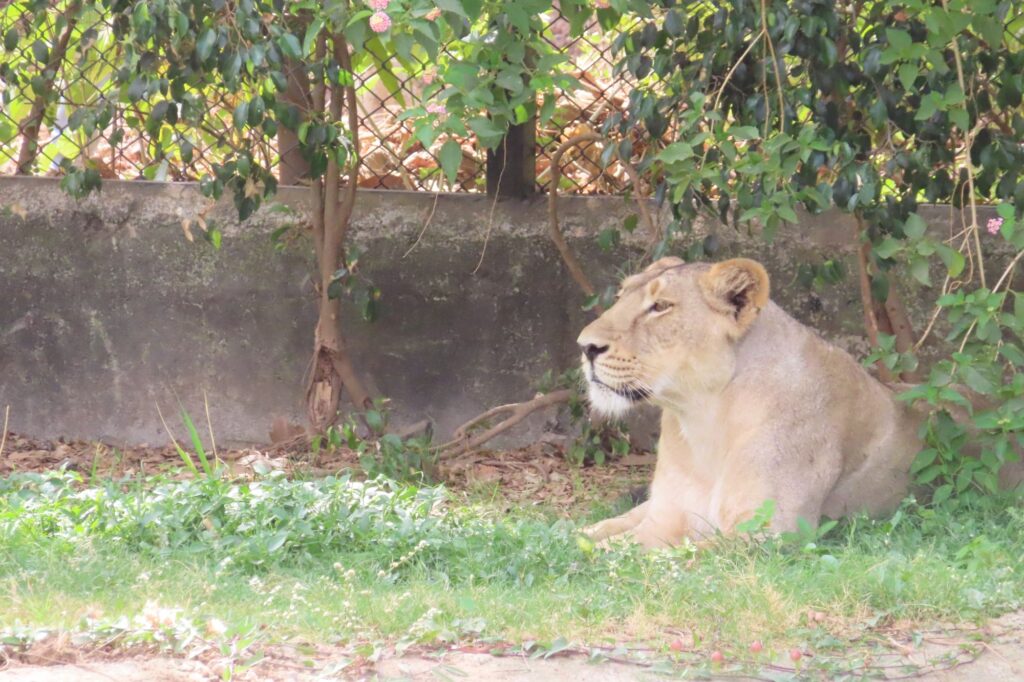
The Asiatic lion is found wild in the Gir Forest, Gujurat, India. Sadly I had to pass up the chance of seeing them in the wild, due to logistics (distance & time) and cost, however, I was delighted to visit Gujurat in late May – although one of the hottest weeks of the year (40+ degrees).

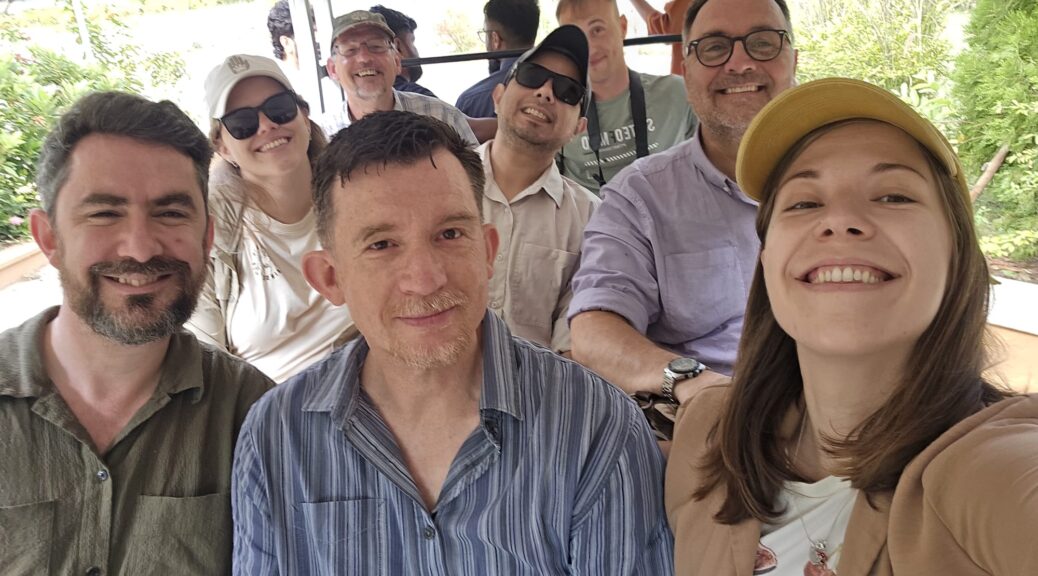
Sardar Patel Zoological Park, Ekta Nagar, was chosen to pilot the Indian Professional Competency Framework for Zoos & Wildlife Care developed by Daniel O’Loughlin and Life Science Education Trust LSeT. It was an honour to be part of an international team [UK, Ireland (via Netherlands), Czech Republic, Mexico (via UAE)] spending a week at the site delivering training sessions and supporting the zoo in its drive to high standards.
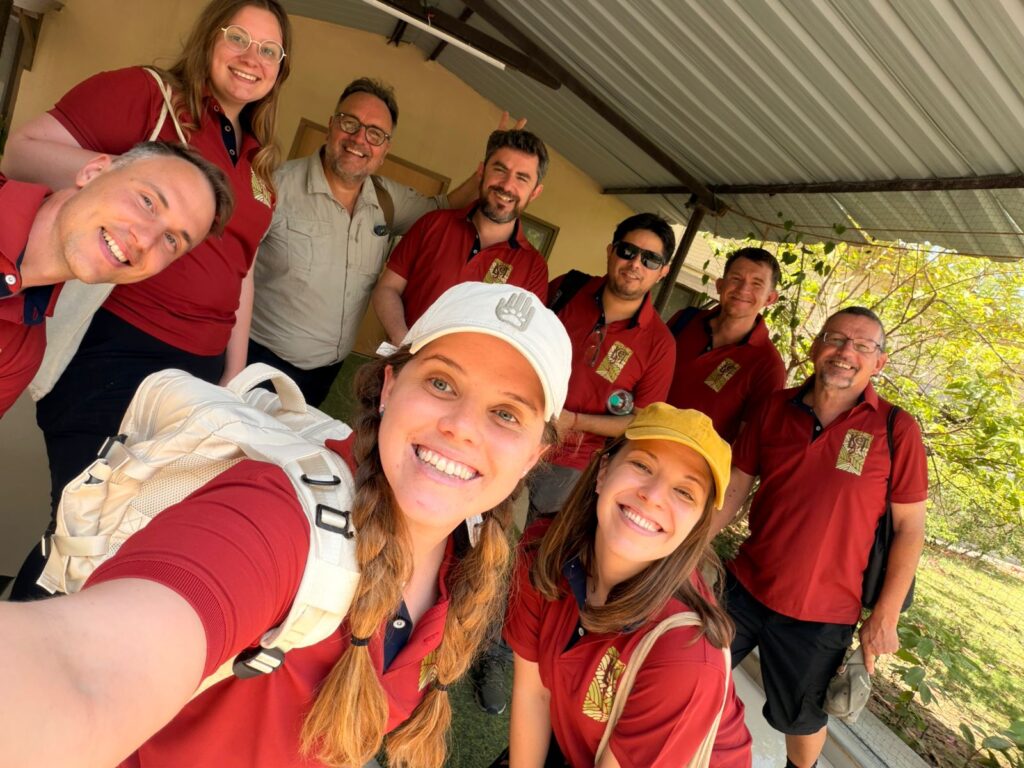
SPZP is a new zoo, inaugurated in 2020 as ‘Jungle Safari’. The zoo has some excellent habitats for a diversity of species from lion to Indian rhino and crocodiles to cobras. Although the aviaries are also of particular note. The staff team are dedicated and committed to good standards of animal care and improvement. So the competency framework provides a good model for standardisation and recognition.
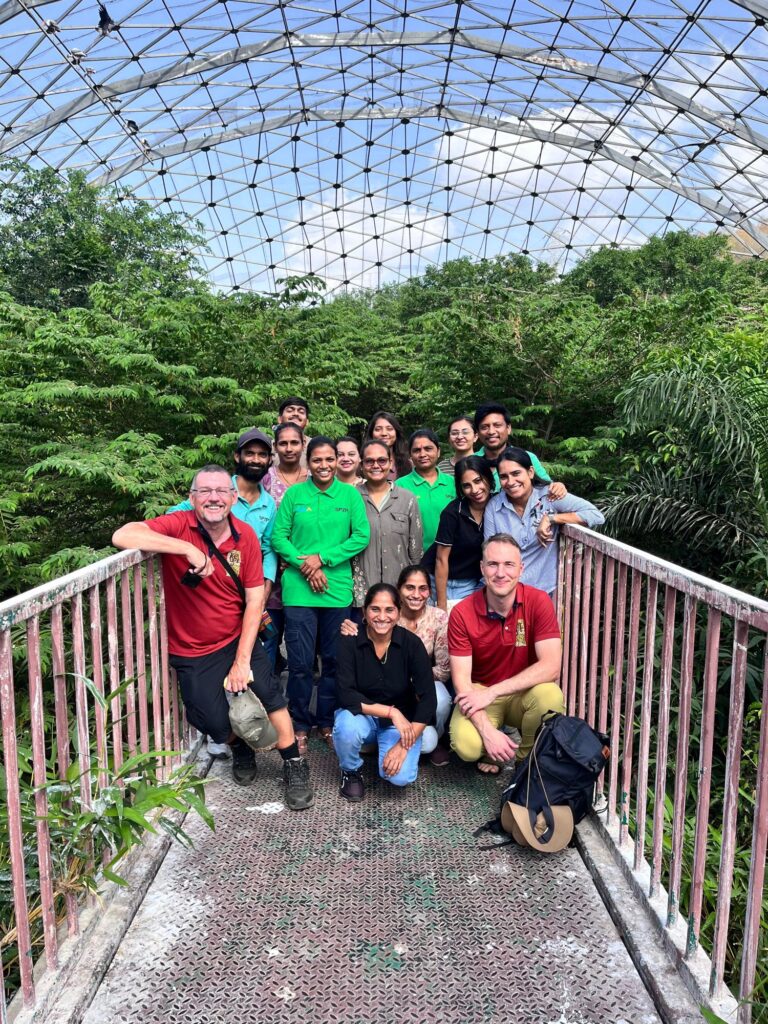
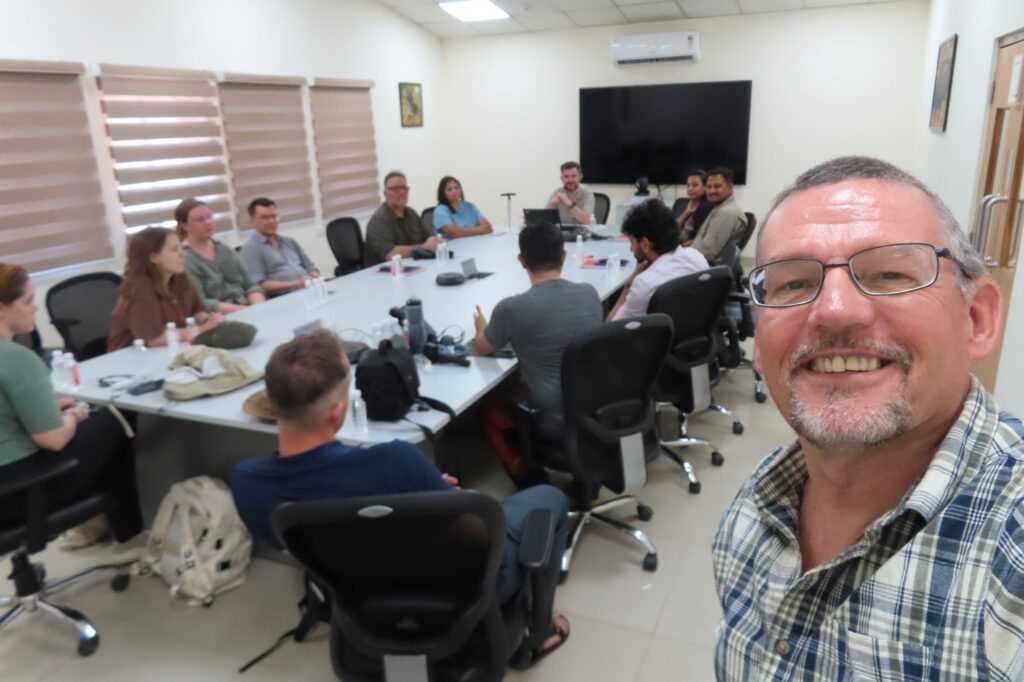
Our work involved mornings out on site with review of the different sections and delivery of training / support with ideas to the keeper team and afternoons working with the ‘supervisor’ team and managers on specific focused topics including safety, training, communications.

The work with SPZP continues and a follow up visit (Daniel with one or two others) to assess the progress against the standards will be made later in the year. The Competency Framework will then hopefully be used by LSeT in other Indian zoos.
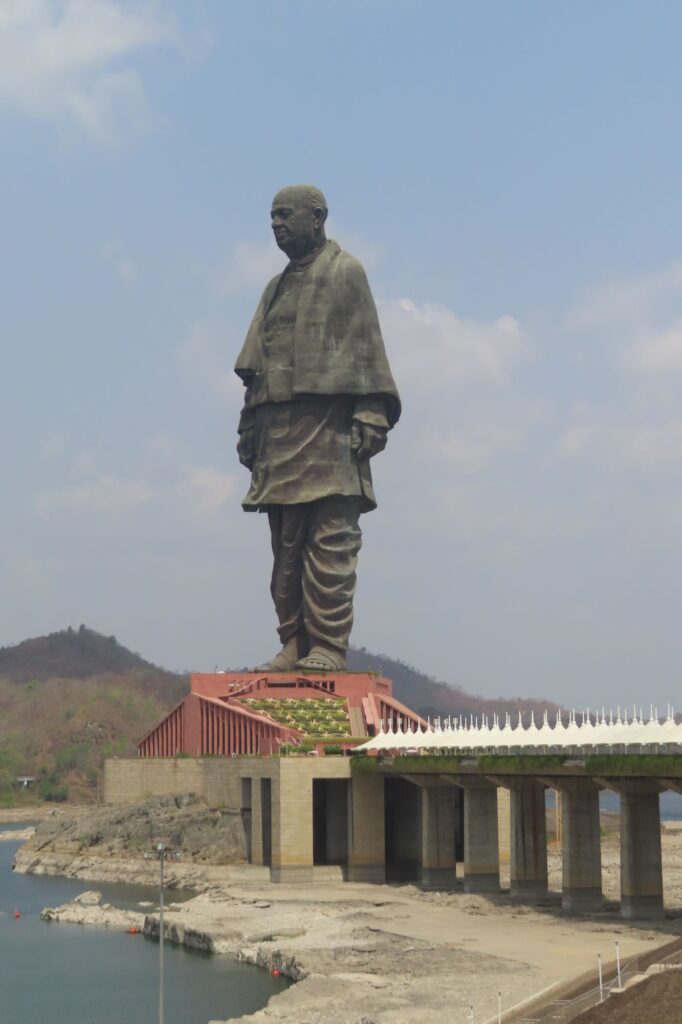
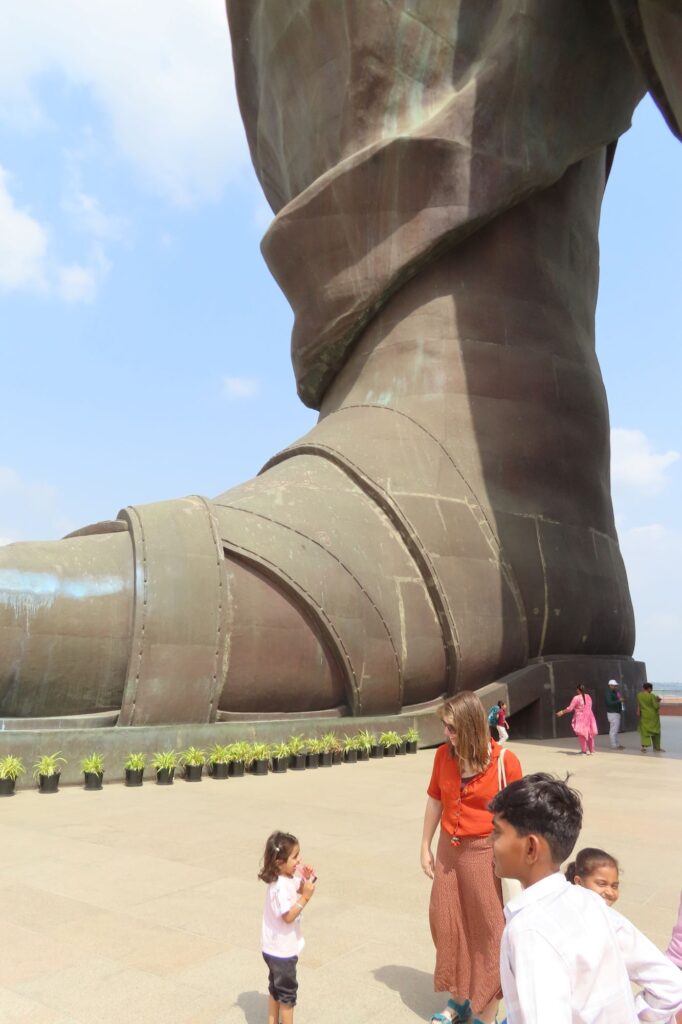
Near the zoo is the world’s largest statue at 182m tall – the Statue of Unity commemorates Vallabhbhai Patel (1875-1950) an independence activist, friend and contemporary of Gandhi, who served as India’s first deputy prime minister.

The statue is truly impressive and you can go up by elevator to ‘chest height’ for a good view of the surroundings including the hydo-electric dam on the Narmada River. As westerners we were actually an ‘added attraction’ with several requests for photos.
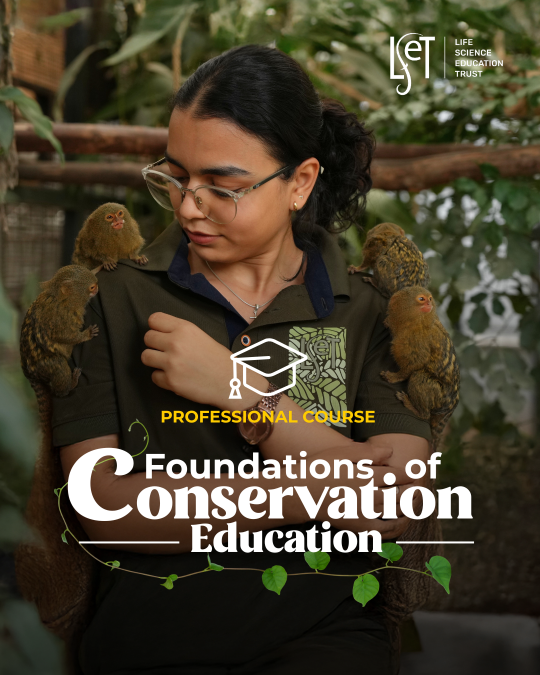
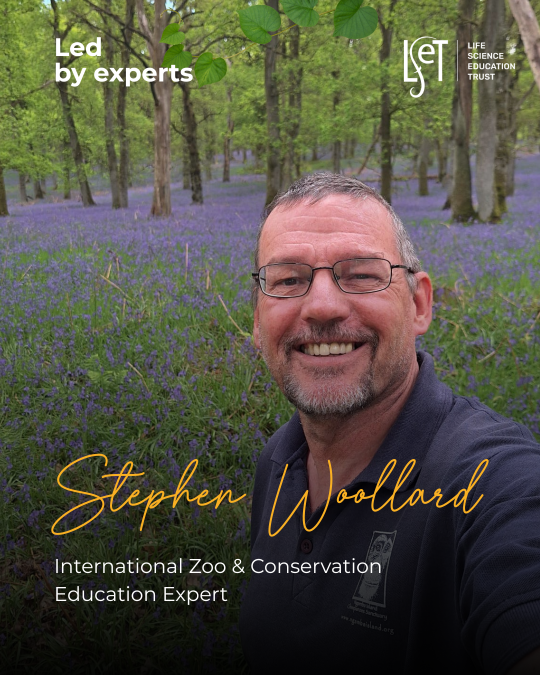
New Foundations of Conservation Education course

One of the collaborative projects I have been working on in the last few months is “going live” for full trial. Working with Life Science Education Trust – based in India – and with & for Daniel O’Loughlin (a former employee and colleague who I also worked with in Sharjah alongside Sofiia from Ukraine).

Our Foundations of Conservation Education course provides a gateway into the world of environmental and conservation education. Designed for educators, zoo professionals and students interested in exploring environmental education as a future career, it builds the essential knowledge and skills to inspire positive action for people and nature.

Sign up copy link: https://forms.gle/XK4eZFXHEJ5pXAa7A

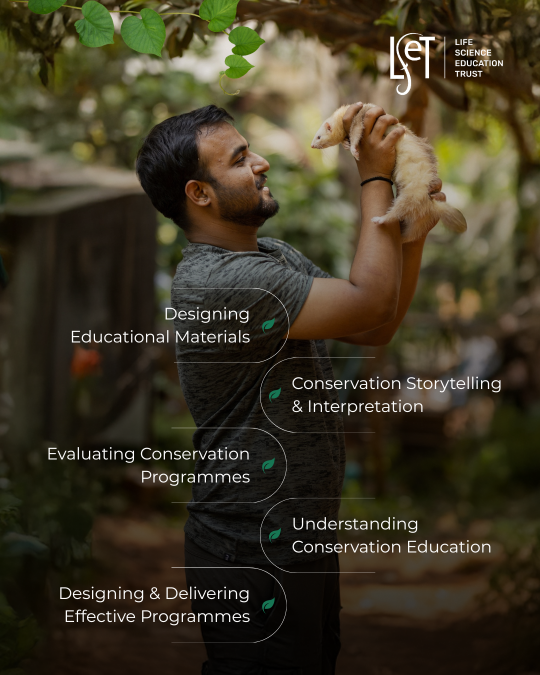
The course explores key themes across 5 units:
1. Understanding Conservation Education
2. Designing & Delivering Effective Programmes
3. Conservation Storytelling & Interpretation
4. Designing Education Materials
5. Evaluating Conservation Programmes

The course is taught by Daniel O’Loughlin, Stephen Woollard, Sofiia Pyshnieva & guest speaker Sophy Hughes in recorded lessons. Available online and the first 100 sign ups are free to trial the course and review it. Then it will be launched for all at a very low fee.

New Year Resolutions?

The end of another year and it has been a challenging one in many parts of the world, not least with continuing war in Ukraine and the awful escalated Israel-Palestine conflict. At the same time the global threats to biodiversity and impending effects of climate change and seemingly weak response from world governments, don’t give much cause for optimism. We’ve also seen the power of ‘nature’ with flooding, landslides, powerful storms etc. – and there is stronger evidence to suggest these weather patterns are linked to human impacts on our planet (climate change especially).

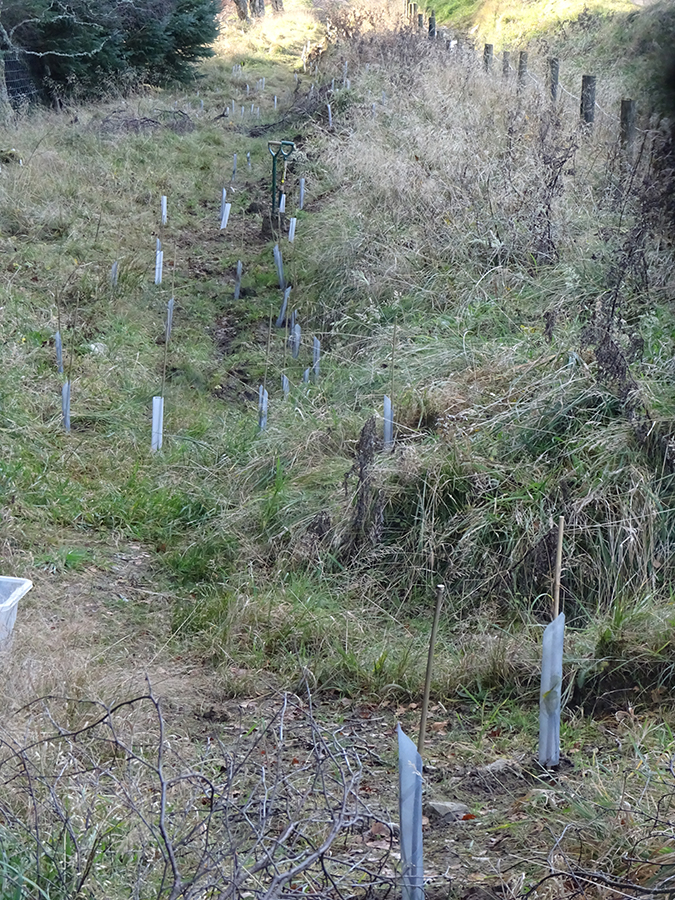
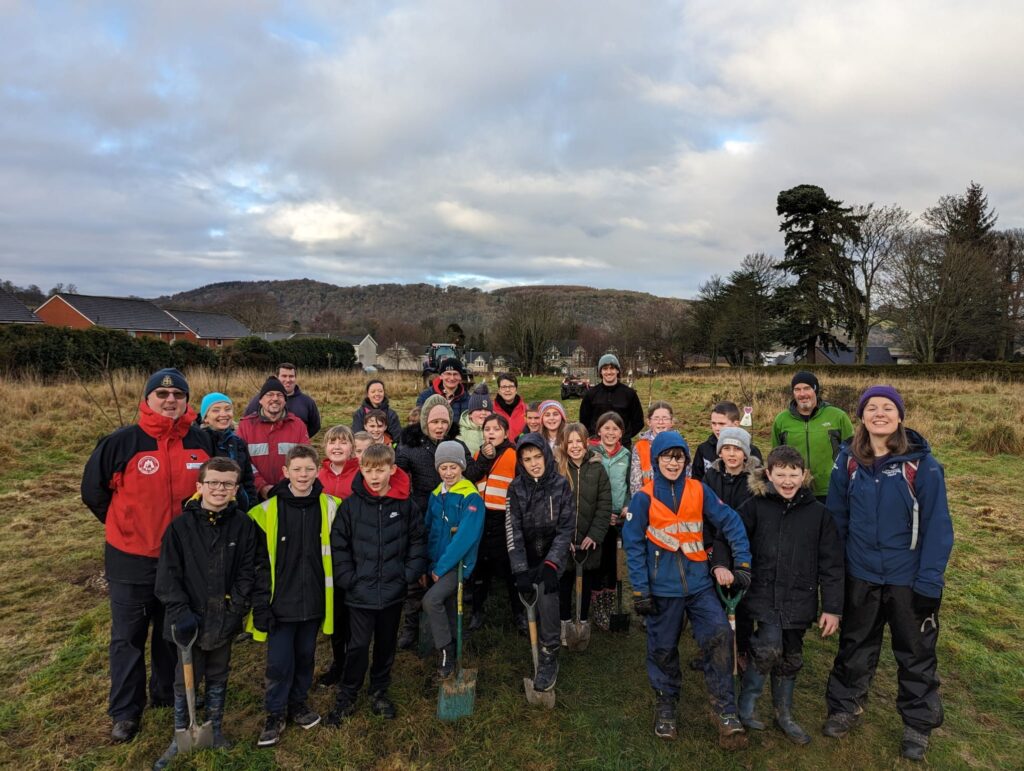
Recently however, I have been heartened to see and be involved with the ‘Tree for Every Child’ initiative of the Perth and Kinross Countryside Trust that I currently Chair. It was great to help plant trees at Glassie Farm above Aberfeldy. Glenlyon Primary school had already planted some trees. Then in December, I joined pupils from St Madoes Primary in planting fruit trees in their village. Hopefully these young people will see their trees grow over the years (and get free fruit).

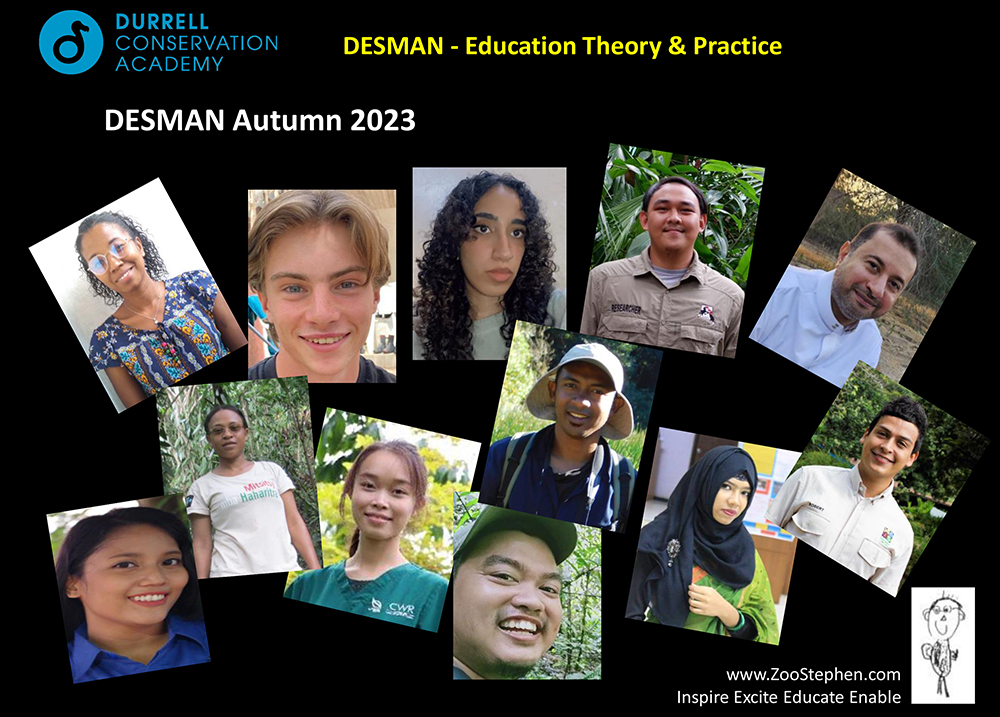
In November, it was good to get a big ‘fix’ of optimism by working with the latest group of students on the Durrell Conservation Academy DESMAN course in Jersey. As usual it was a fun few days covering theory and practice of environmental/conservation education and learning about the work of these inspiring people. The group this time were from Bangladesh, Colombia, Indonesia, Madagascar, Oman, Philippines, Saudia Arabia, Singapore and UK.

Meanwhile, a new group of zookeepers and volunteer keepers began their work on the BIAZA – Sparsholt College DMZAA and CMZAAV online course and its great to be an assessor on year 1 once again.

So as Christmas comes and goes and we celebrate the arrival of 2024, what new resolutions should we have…. be happy, be positive, be optimistic and look forward to continuing to enjoy nature around us and celebrate those that are helping and making a difference.

Just one tree…

As the beautiful Autumn season arrives the felling of one tree – the Sycamore Gap at Hadrian’s Wall – filled news headlines and sparked anger, outrage and outcry. This senseless act should be a reminder that people are disconnected with nature and natural systems. At the same time many people care… but perhaps the sentimental affection for one tree is misplaced or needs some additional focus?

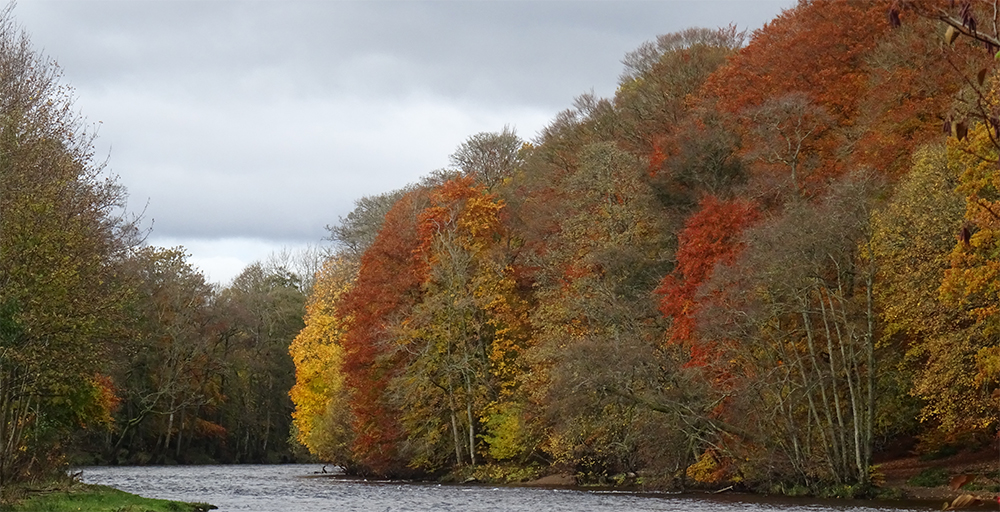
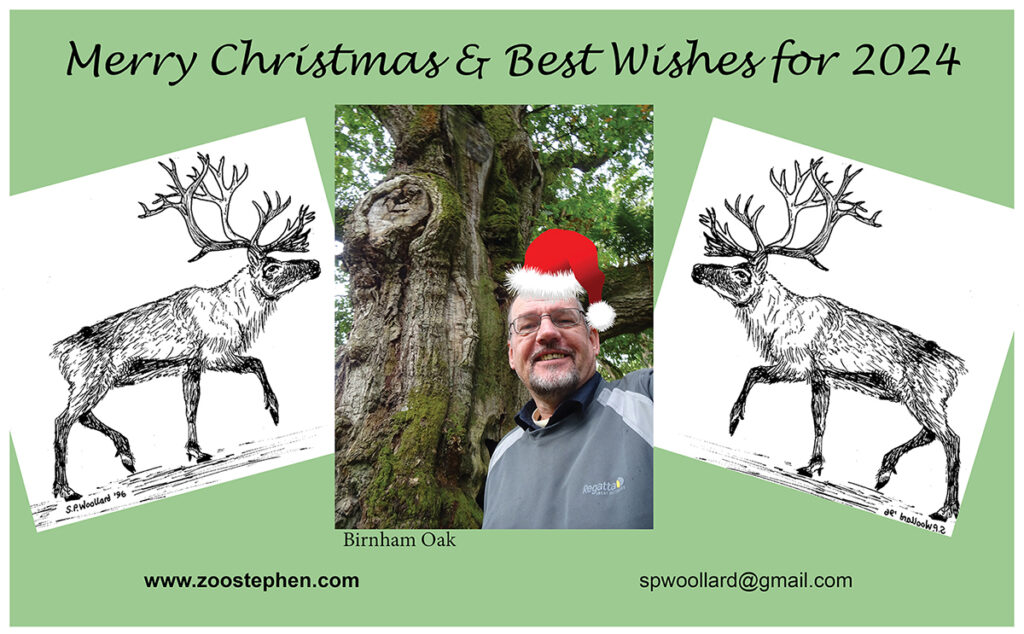
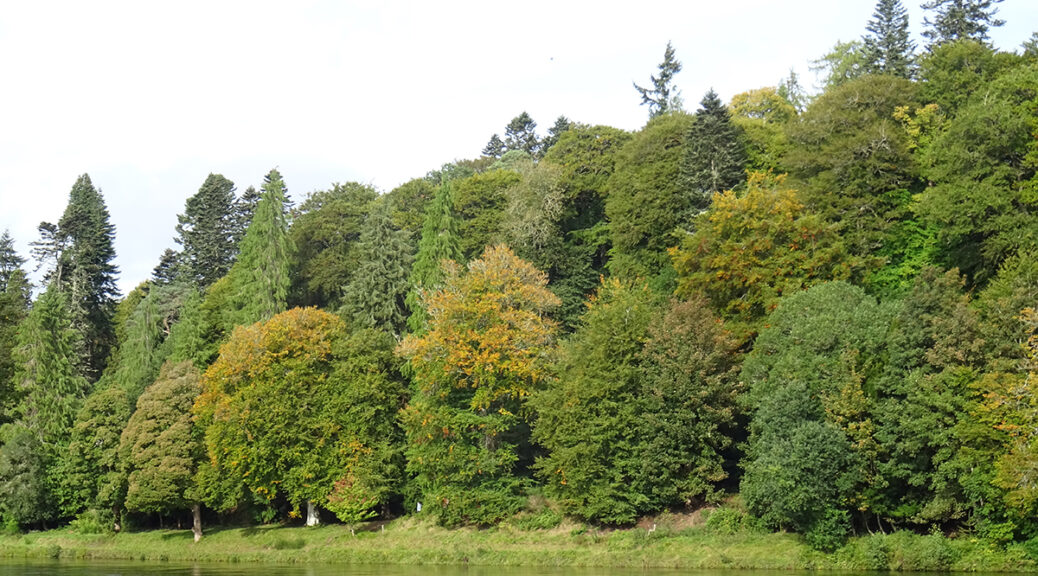
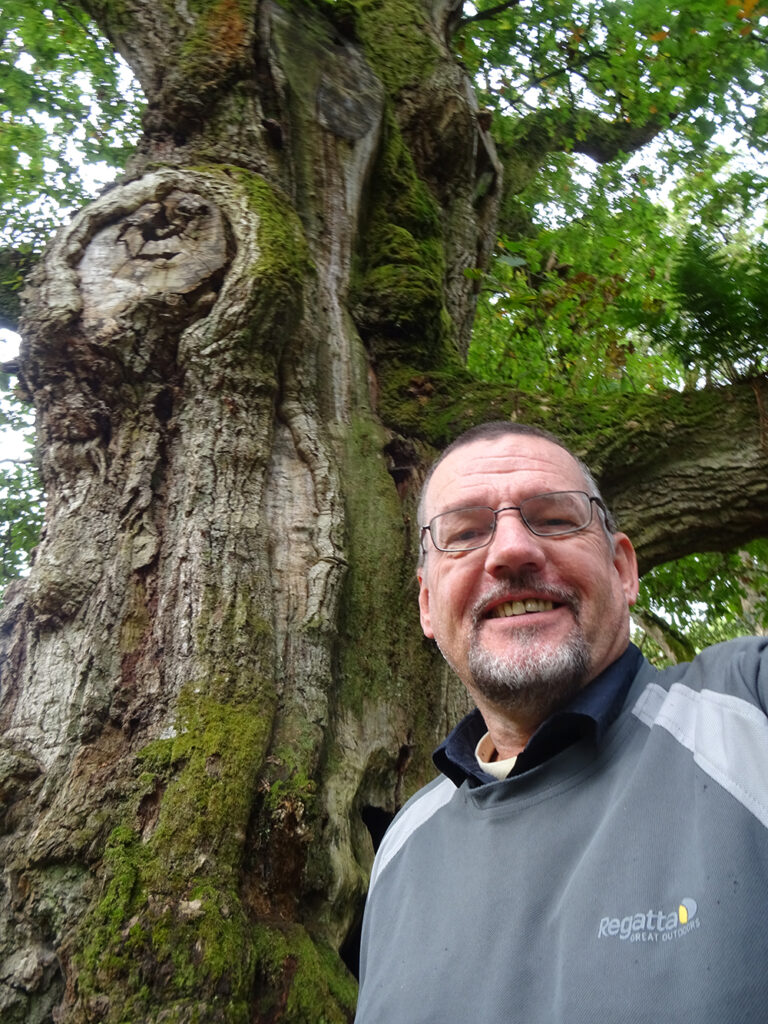
The Sycamore was ‘special’ because it stood alone as a feature of the landscape (possibly deliberately planted as such). There are many ‘special trees’. For me, and associated with the Perth & Kinross Countryside Trust ‘Perthshire big tree country’, the ancient Birnham Oak is special (and incidentally has some ancient sycamores near by). However, it is not alone, it exists in woodland on the banks of the River Tay, and further along is Neil Gow’s oak revered as the place the 18th century fiddler composed and played.

A tree is a ‘unit’ of a woodland or forest, a habitat. The outcry should be levelled at destruction of these habitats for human development (roads, rail eg HS2, building development, monoculture etc). Connection to nature can be ’emotional’ and ‘spiritual’, at the same time there is need for a regard to ecology and what is appropriate planting and management. However, encouraging more people to enjoy and access the countryside responsibly, hopefully re-builds connection and support for trees and ‘added value’ they give us.

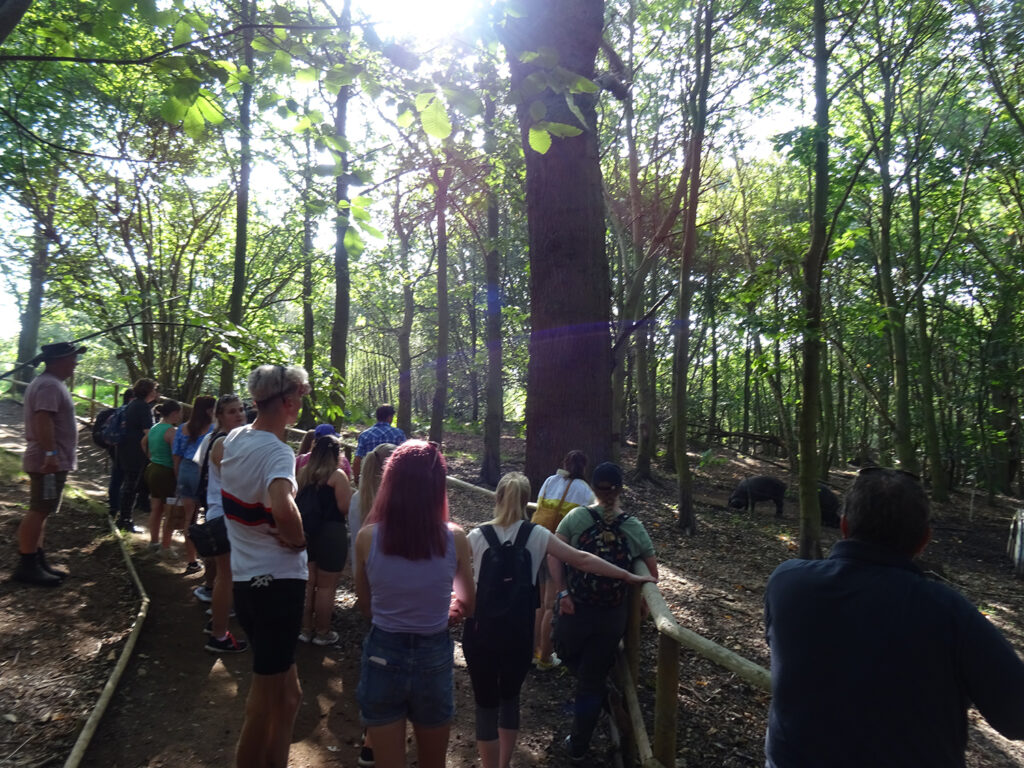
Our connection to nature can also be promoted and enhanced through well designed and carefully thought out ‘experiences’ in wildlife parks. At Jimmy’s Farm & Wildlife Park near Ipswich there is a new ‘rare breeds farm’ area, through the native woodland – where some pigs can be seen – and to the fields (with rare breed pigs, goats, sheep, Suffolk punch horses, Highland cattle).

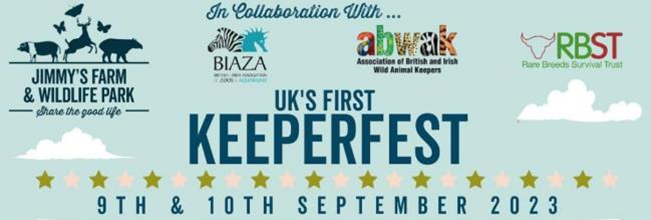
It was an honour to be asked to speak at the UK’s first KEEPERFEST event held at Jimmy’s Farm & Wildlife Park in early September. The event included talks from Jim Doherty, Adam Henson, Nick Baker and a host of ‘industry experts’, as well as practical workshops and stands.

The event nicely complimented the work that ABWAK have been doing for many years in helping keepers to network and develop their skills.

Over the summer I also wrote a short-course on Environmental Education for learndirect and this is available for people to study online as a validated 3 module short-course: https://www.learndirect.com/course/level-3-award-environmental-educator