Inspiration & Optimism – DESMAN 2018

There is hope for the future. Conservation is often depicted as a battle and struggle, full of responding to ‘bad news’ and events – which undoubtedly it is. However, we should also be optimistic and celebrate the good news and success stories too. No conservation project, no matter how well conceived, planned and intentioned, will fully succeed unless it has the support of the people. Thankfully there are some amazing, inspiring and dedicated people around the world, working to conserve, protect and develop our understanding of nature. Some of these people are the participants in the Durrell Conservation Academy DESMAN course.
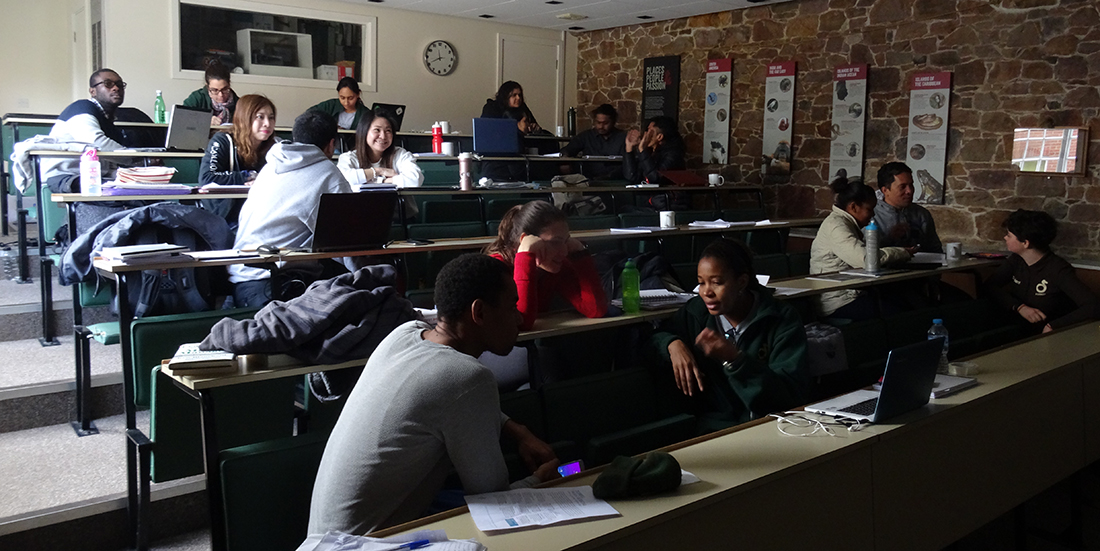
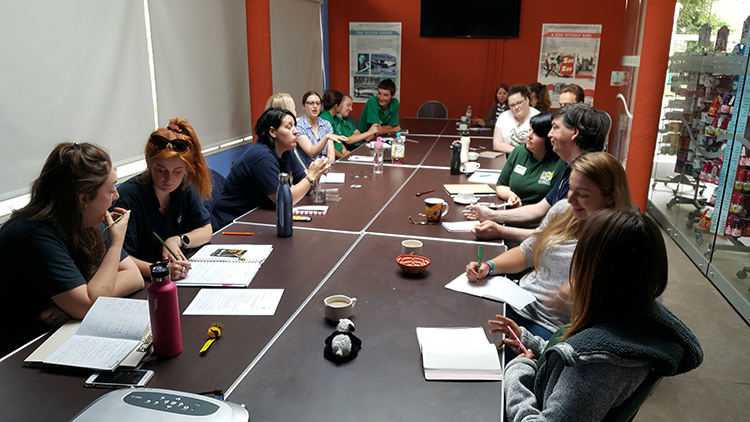
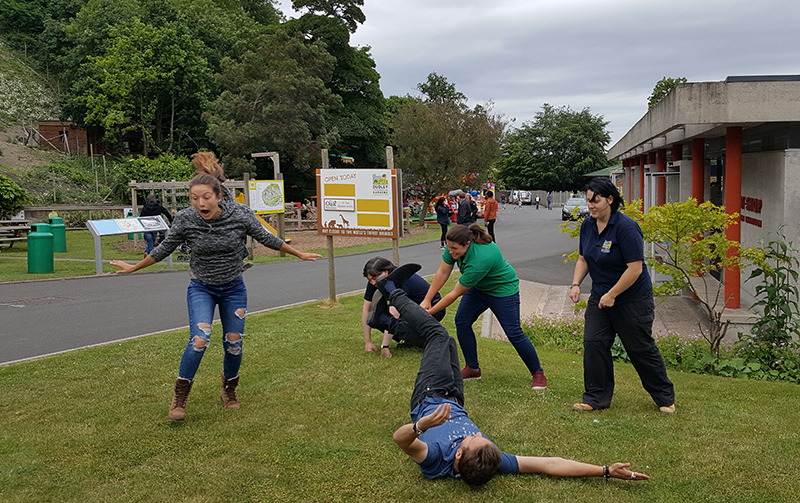
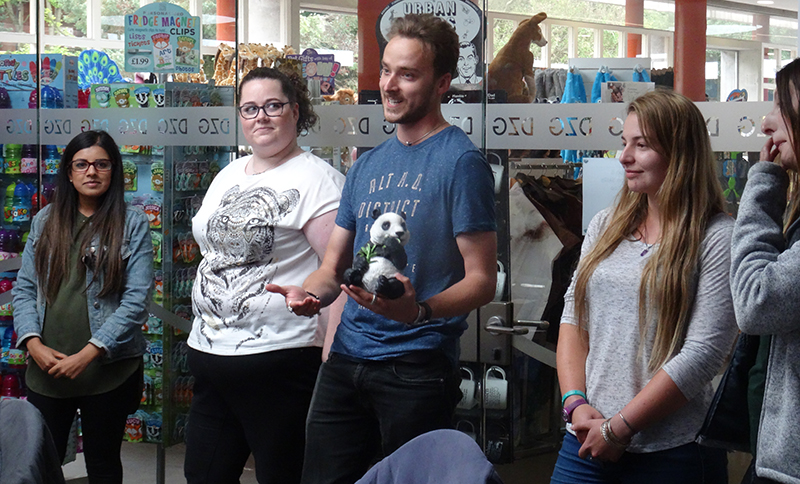
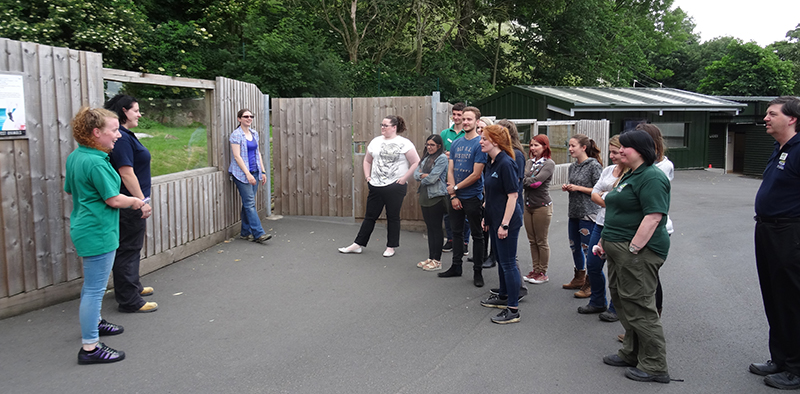
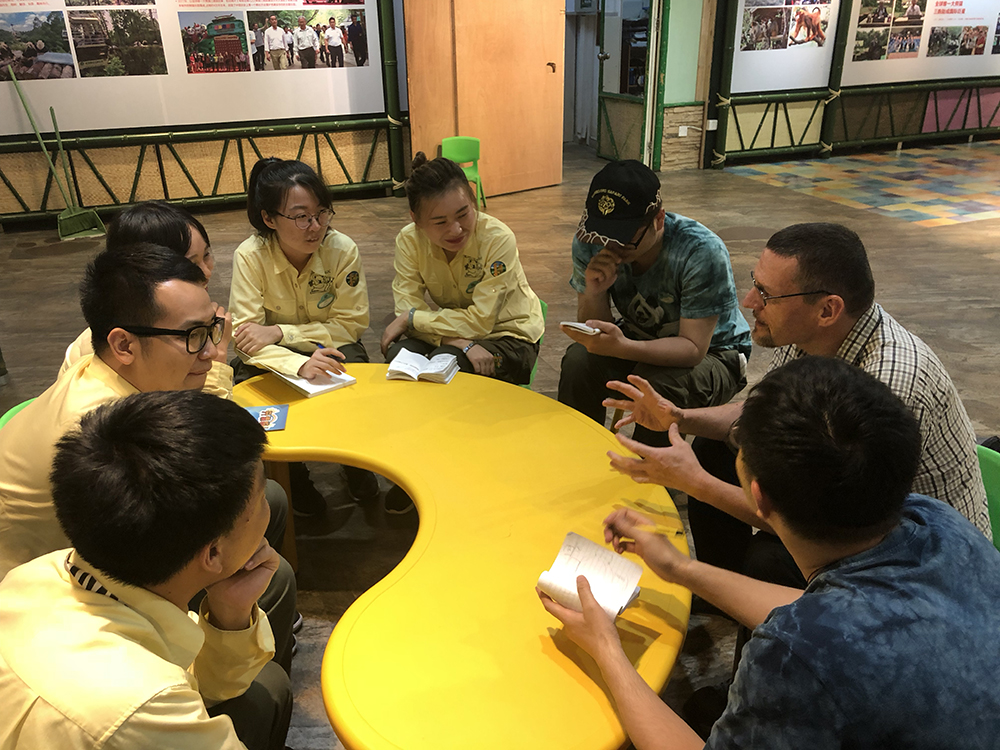
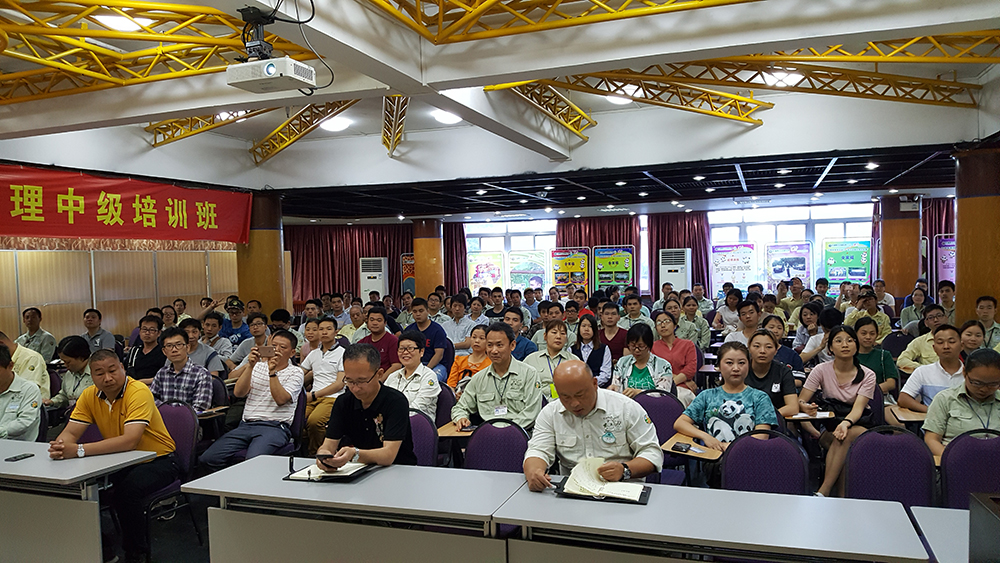
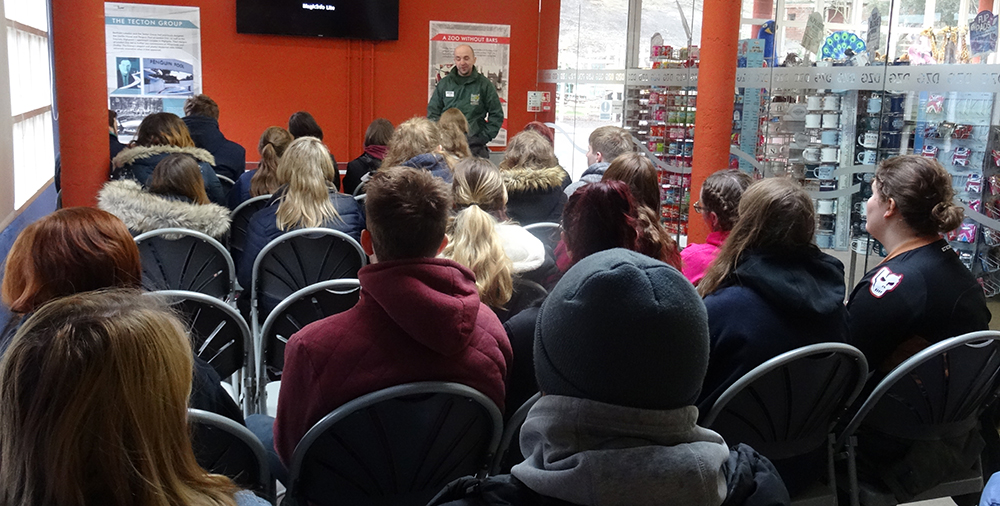
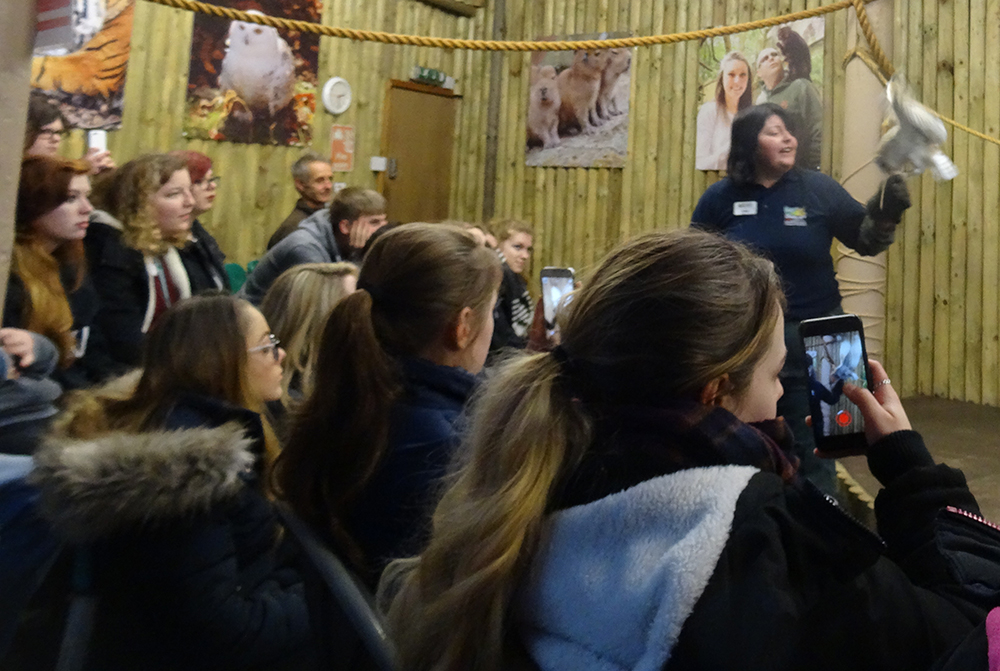
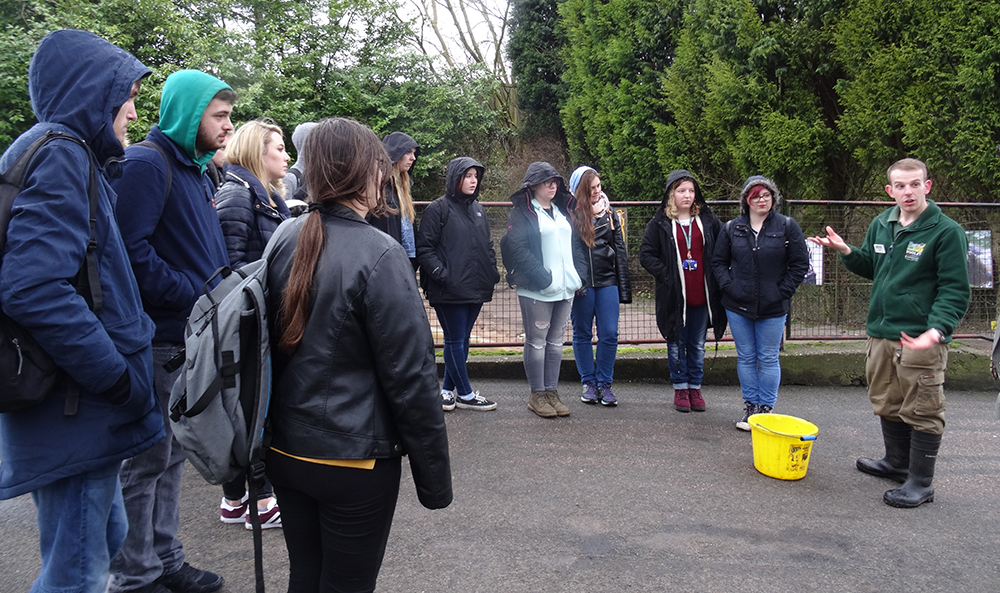
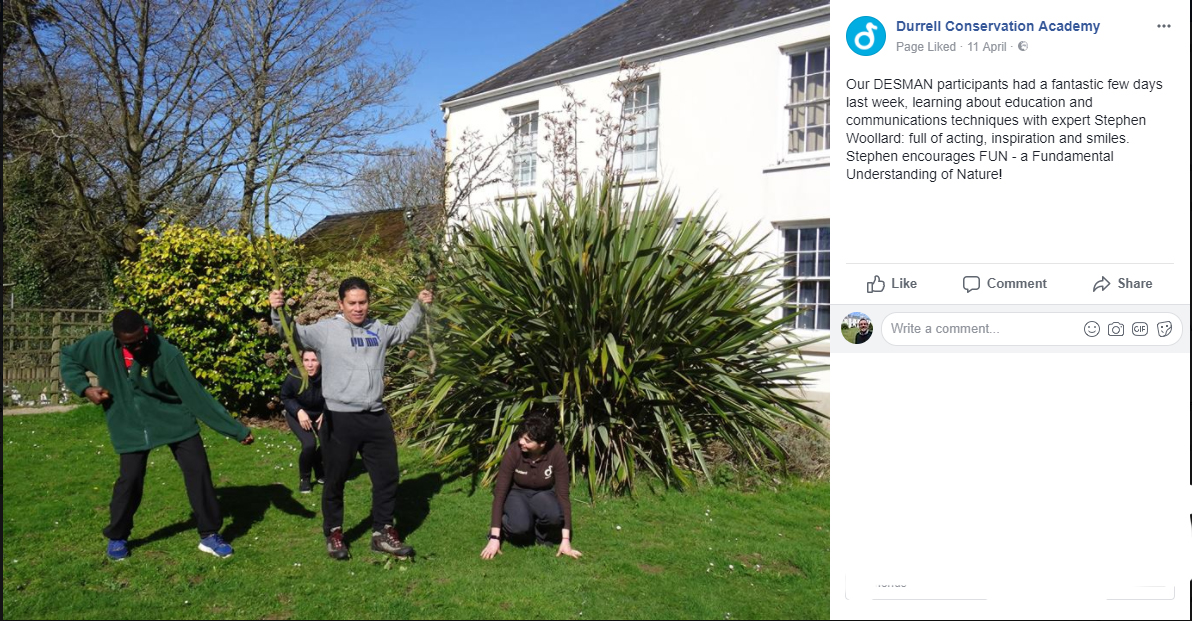
It was an honour and privilege to be invited to speak and lead a few days workshops for the DESMAN in Jersey once again; the third year I have done this. My education and communication ‘course’ was well received and I thoroughly enjoyed engaging with this year’s students who came from: Armenia, Brazil, Canada, China (Hong Kong), India, Nigeria, Samoa, St. Lucia, Seychelles, Sri Lanka, Sumatra, & UAE.
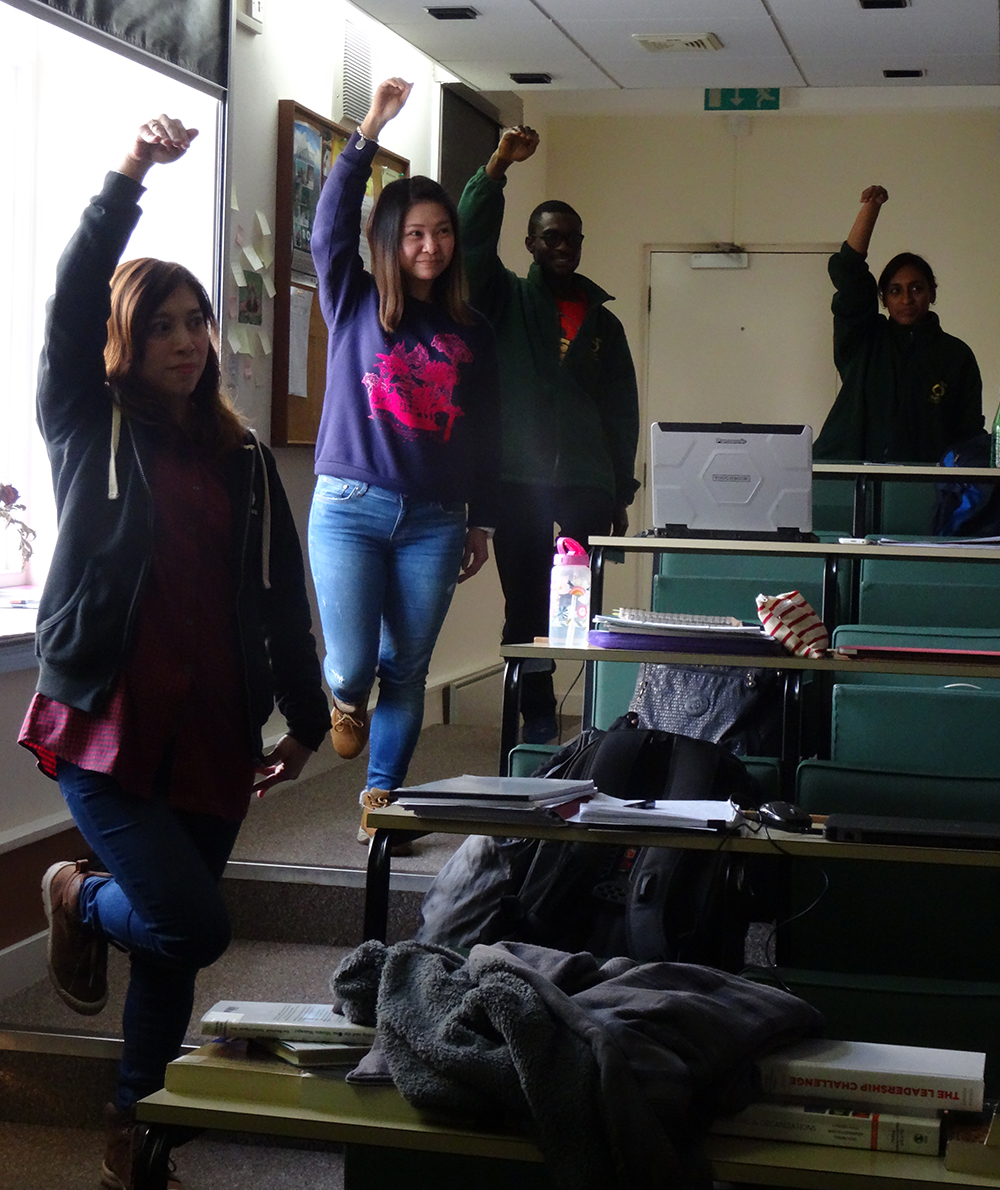
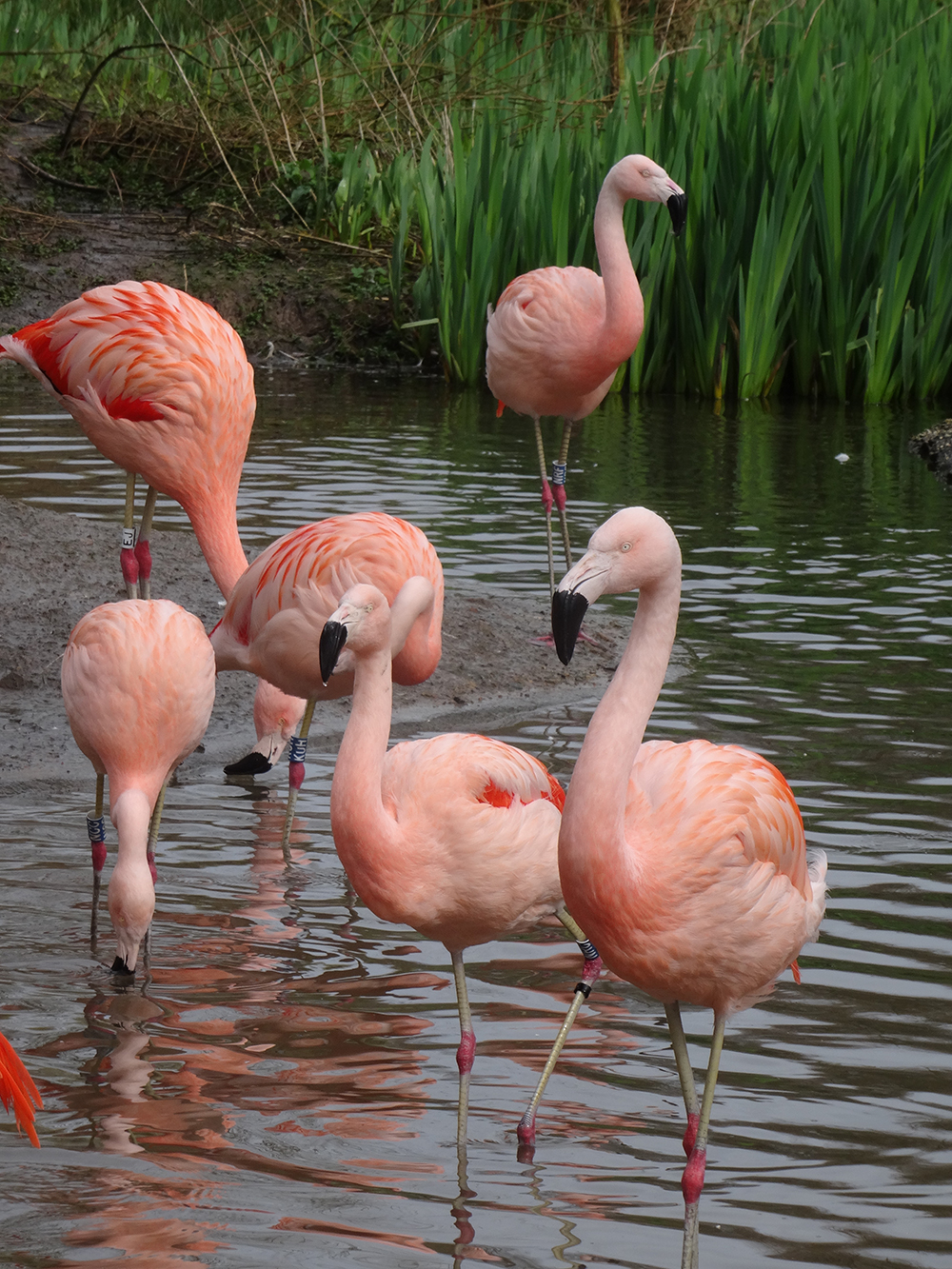
Whilst, I was able to inspire and enthuse the participants and demonstrate a diversity of communication and education techniques, I was also inspired and enthused by them too. It’s always good to meet people who are committed to, are doing and will do, great work and to be a small part of their development and conservation activity. Their feedback was also very much appreciated, with some great comments, such as:
“thank you for making it so fun, informative and inspiring”; “I got many new experiences about new techniques of education and awareness programmes – very useful”; and “inspired me to do more in the field of conservation education and community conservation”.
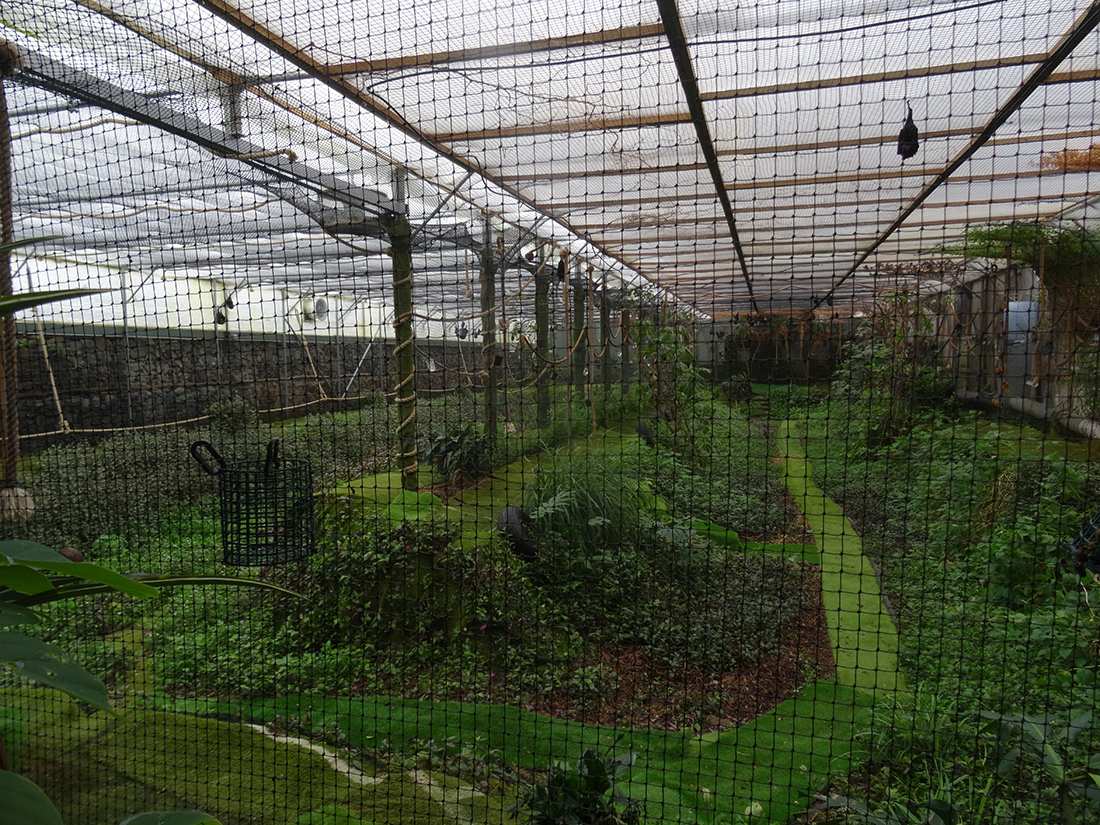
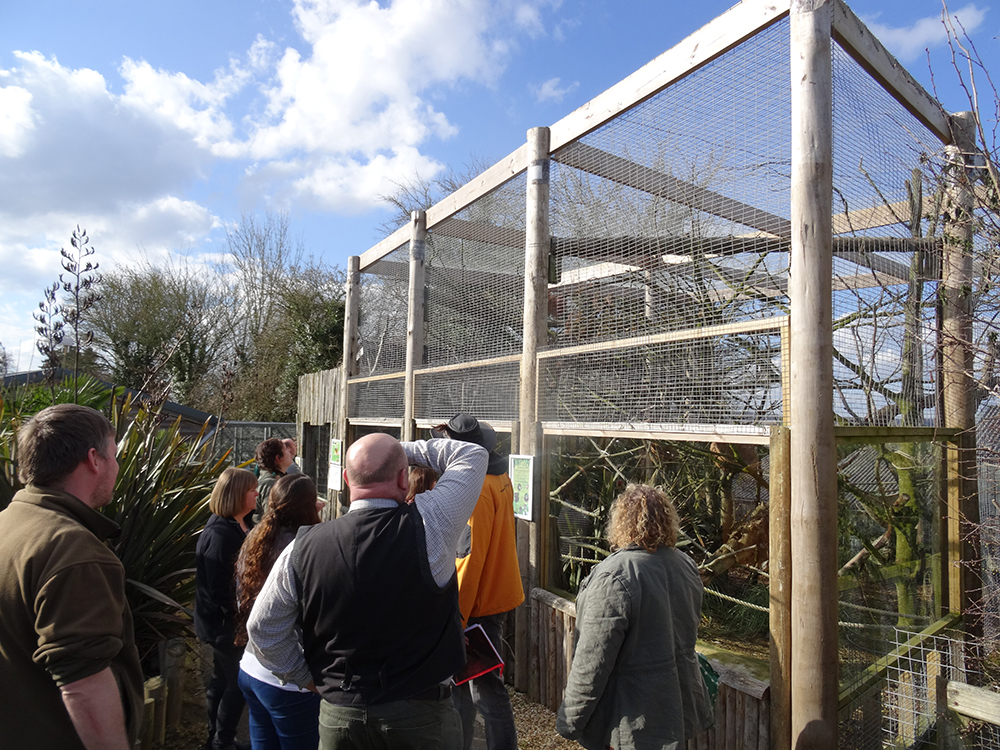
It was of course also great to return to Jersey Zoo, HQ of Durrell and enjoy time in the Zoo – not least the brilliant bat flight enclosure – which in itself has a great community and recycling story in its construction.  We also enjoyed reviewing and critiquing the education for visitors, by observing talks, signs and discussing education programmes. One of the great aspects of the DESMAN is that the diversity of participants may have specific field projects and focus, but they get to understand endangered species management in general and the multi-faceted approach needed for conservation to succeed – including through education and communication.

I am optimistic that this year’s DESMAN participants, along with previous students, WILL go MAD and Make A Difference!

Thanks to Durrell Conservation Academy and to the participants and staff. (Links on social media twitter: @ZooStephen and featured on @Durrell_Academy and on facebook.)
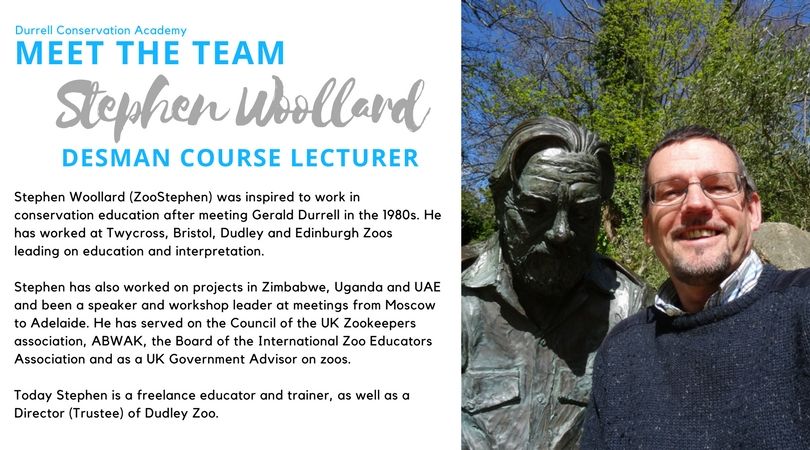

Training and CPD – an important commitment for students and for zoo licensing

Whether you’re a student on a recognised course, volunteer, or a well experienced employed person, training and continued professional development are an essential aspect in any career. In the work of zoos there are various opportunities but some challenges for those wishing to enter the profession and to gain the necessary experience, knowledge and skills, or for those wishing to further develop and keep up to date.

I have been working with Sparsholt College for several years, most notably on the DMZAA zookeepers course, having written one of the units and acting as an assessor. However, I have also been working with animal care students connecting them to the work of zoos. In March I was pleased to help organise and run a day visit for students to Dudley Zoo, with a particular focus upon enclosure design. Dudley Zoo have been very welcoming and accommodating and recognise the value of tailor-made workshops and activities for the students in giving them meaningful experience.

At Dudley we were delighted to see the new snow leopard enclosure (extension) and hear about plans for other developments; to meet staff for Q&A – including education presentation, keeper work, and meet the curator. Through such activity the students not only develop their learning but understand more the profession some of them wish to join and contribute to.

Zoos have many skilled and qualified staff that can support each other and those wishing to join the profession, but there are barriers making it more challenging – not least the ‘you don’t have relevant experience’ or ‘you’re not well connected to zoo work’. Internships are offered by some, but are out of reach of many who can’t afford it. Apprenticeships are another option but of course highly sought after and competitive.

Meanwhile, zoos themselves are subject to external review and licensing by their local authority (in an Act overseen through APHA of Defra). Local Authority staff are charged with organising and overseeing the zoo inspection regime, supported by Secretary of State’s inspectors (vets and zoo professionals). Standardisation and training for zoo inspection is limited – partly due to resources and geography given that authorities across the country have zoos to inspect and costs of running and/or sending staff on training are subject to budget issues. However, it was great to be part of delivering a day of Zoo Licensing Training held at Sparsholt College in March.

The delegates received training and presentations from current chair of the Zoos Expert Committee, vet and zoo inspector Anna Meredith, and zoo inspector, vet and former zoo manager, Jon Cracknell and myself. Additionally we looked at a few of the enclosures at the Sparsholt College Animal Management Centre (which is a licenced zoo). The opportunity to discuss what the ZLA requires, interpretation of terminology, what conditions must be placed on licenses and gain a better understanding of both the process and timeframe for zoo inspections, was welcomed by all. It is hoped that more LA staff and zoo inspectors will undergo regular CPD activity to ensure good management of the Act and good standards in our zoos.

Ready for work?

It’s easy to find a job… at least to find them advertised, thanks to the internet. A new batch of students hits the job market each year, whilst the ‘retirement’ age extends and people need to stay in work/keep looking for work until they’re older. So the competition for jobs is now therefore greater than ever. 

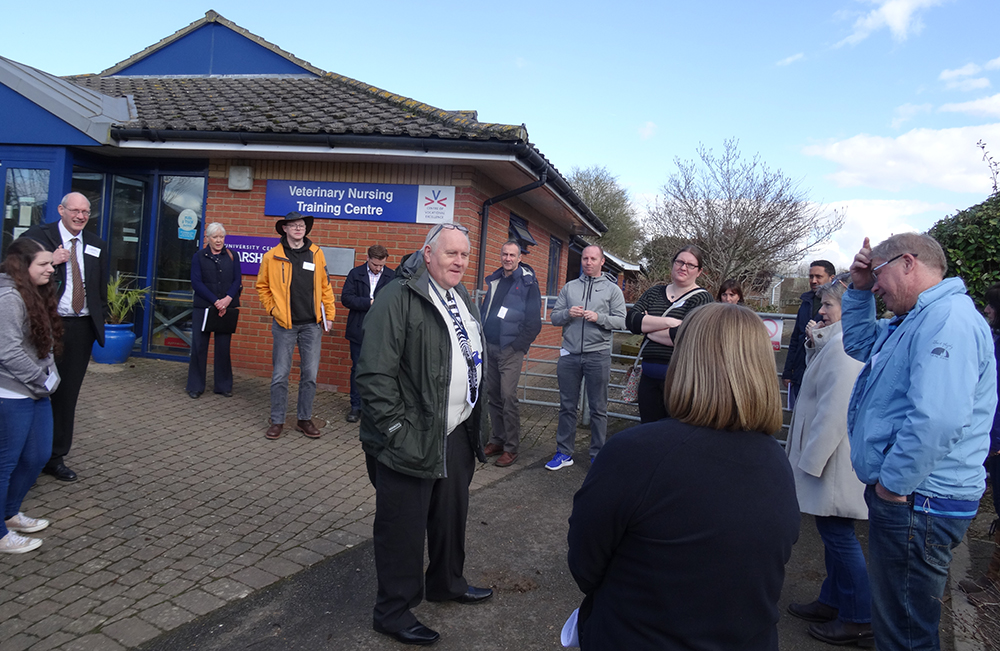
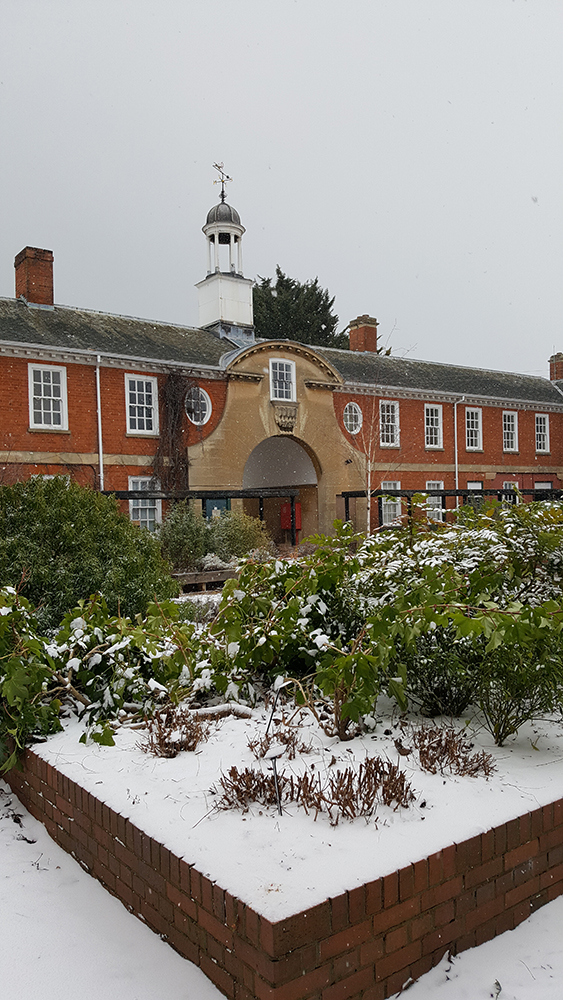
This week – just as the UK was being blanketed in snow – I had the pleasure of running a couple of careers workshops for 1st year degree students at Warwickshire College – Moreton Morrell. Whilst some of the group have aspirations to become self-employed veterinary physiotherapists and others to enter other aspects of animal care, the skills of ‘selling yourself’, developing a CV and coping with interviews are all relevant and needed. It was also useful for them to hear the career backgrounds and case studies of myself and others working in this field. 

Whilst these and other students are now being better prepared for the opportunities that may arise, it’s also important for employers to think about their systems and procedures. Are they missing out on really good people by rigidly applying profiling to interview selection. What if the person hasn’t got the stated qualification? Or has experience in another field that may have similar skills? Will they automatically be rejected? There is skill in recruitment and selection and it is hoped the good employers have some flexibility in their systems and are keen to support and encourage suitable applicants from diverse backgrounds, qualifications and experiences.

After 30 years+ (which includes recruiting many people) I am really pleased to share my experience and answer questions to help others in their endeavours and career pathways.

Winter into Spring

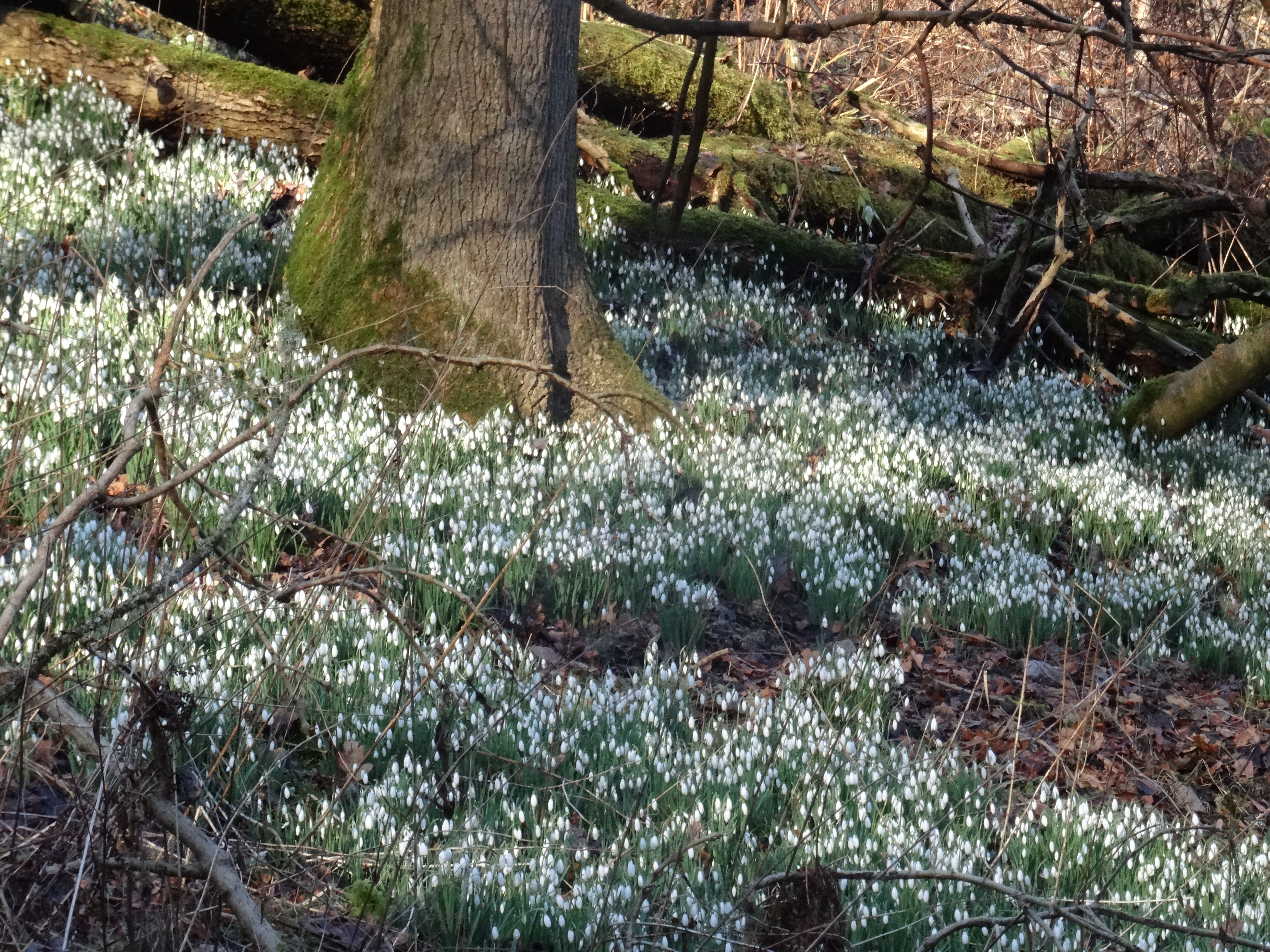
Another year is now well underway and ZooStephen is enjoying the beautiful winter scenery and nature in central Scotland. We’ve had some heavy frost, great snowy days and bright sunshine too, and hints of Spring to come with rivers of snowdrops appearing in early February.

Amongst various activities booked for the year, including career workshops, Durrell DESMAN education and communication sessions, I am delighted to announce an ‘open’ Presentation & Communication Skills Workshop on June 18th, kindly hosted by Dudley Zoo.  For details see flyer advert below. Places limited.

Zoo Education Programme Development

The Zoo is a great educational resource – for schools, colleges, uniform groups, general visitors… However, it takes planning and preparation to maximise the effectiveness of the resource for different users and learner needs.

In the UK (and Europe) it is a requirement of licensing for zoos to contribute to conservation through education and membership of the national and international associations, BIAZA and EAZA requires zoos to meet, and ideally exceed, education standards they set.

Through my career it has been a pleasure to have been involved in helping zoos and the community with improving standards and developing new and effective educational engagement. Recently I have been delighted to be working with Belfast Zoo to help them develop new strategy and programmes to exceed the standards and set new levels of educational delivery and achievement.

We now have a new education strategy, and through this winter period work is underway on a new education programme. The Zoo, situated to the north of the city on ‘cave hill’ is a wonderful site, they have a good mix of species and has great potential to act as a centre of excellence for Northern Ireland.

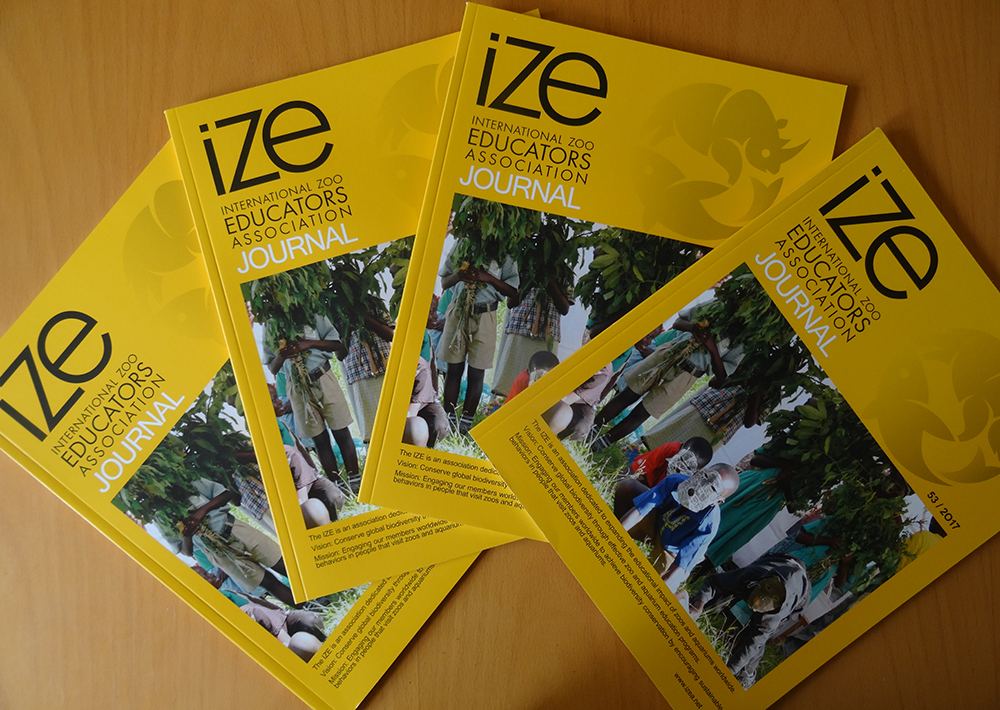
IZE Journal 2017 – International, National, Local

Through much of my zoo education career I have engaged with and been a member of the International Zoo Educators association (www.izea.net). This network of passionate and dedicated educators across the globe, most of whom are based in zoos and aquariums, freely share ideas and approaches to engaging people in nature and conservation.

 I was honoured to be chosen by IZE to be on the Executive Committee and to be the Journal Editor for the past 5 issues. The latest, my last, 2017 Journal has just been published and will be circulated to members during August. (Past issues are available on the website).
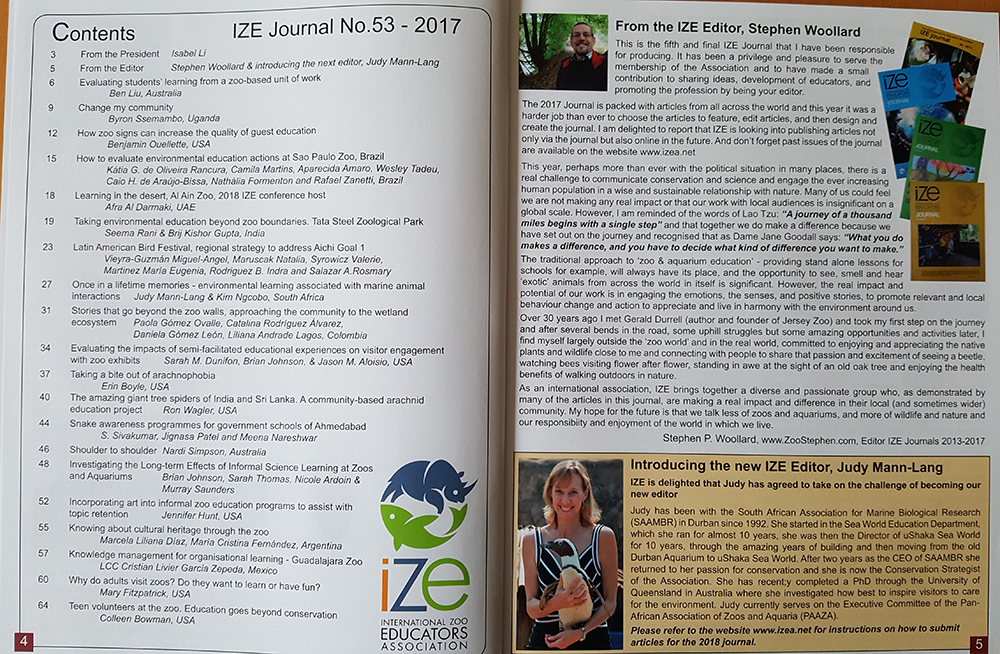
A diversity of projects and activities are reported upon, many of which can be applied in different contexts, from international to national to local.

The evaluation of activity  is also reported and provides evidence of effectiveness, and lessons to apply in future.

Thanks to all contributors to this journal (and the previous ones) and to the excellent team on the IZE Board for their support and assistance in sourcing articles and proof reading. Best wishes to Judy Mann-Lang who takes up the role of Editor for the next issue.


Graduation time – give them a chance

So its that time again when students graduate and move on to the next step in their lives. It is a challenging time in many ways, and somewhat different from when I graduated from various parts of my academic career. Although I too have experienced unemployment and change of direction. However, in the 1980s there was perhaps more support (including the good old UB40 card and benefit) … but we didn’t have the internet and social media.

I have been lucky in recent months to meet many students on animal-care related courses at several colleges, and last week was pleased to return to Sparsholt College to run a couple of workshops on careers and communication skills for the 2nd year students who graduate this summer. Some will move on to colleges and universities to undertake degree studies, some will start their first jobs and others are looking.

There are many students now available for work… and of course not enough jobs directly in their field/career path. So employers are in a lucky position of being able to select what they consider the best candidates for the jobs they have on offer.

Having met lots of students, and been through hundreds of CVs, interviewed many, and employed a number of people through my career, I am aware that application processes can sometimes miss good candidates. Sometimes, the best person for the job doesn’t actually match the job requirements and specification. The challenge is, how can HR and employment practices account for this and give those people a chance – whilst also giving the employer the opportunity to develop and train someone suited to the role on offer. And of course this is especially so with the ‘trainee/junior’ positions.

I have been fortunate to have been given a chance when I chose to switch career and go into conservation education (mid 1980s) even though I had no qualification or experience, just passion, knowledge and enthusiasm. So, as much as possible, I have remembered that and always looked at recruitment to see if its appropriate to give others a chance and created / supported learning opportunities to help students find the right pathway for them.

So, I really do hope for this new generation of graduates, that they can get passed HR gatekeepers and systems and shine through as good candidates for the actual jobs on offer and training opportunities, and that thereby, employers get dedicated, enthusiastic and competent staff who can do the work required, assisted by their academic achievements where possible.

Good luck to all students graduating this summer – and that you get onto the path that you want to and are capable of.


Careers Advice – the challenges

Askham Bryan College near York (with other centres in the north of England too) has a very good reputation for specialist land-based further education. The college now has its own Wildlife and Conservation Park – which is of a very high standard, providing students with real experience of the operation and management of a small zoo (and this is a Provisional member of BIAZA).

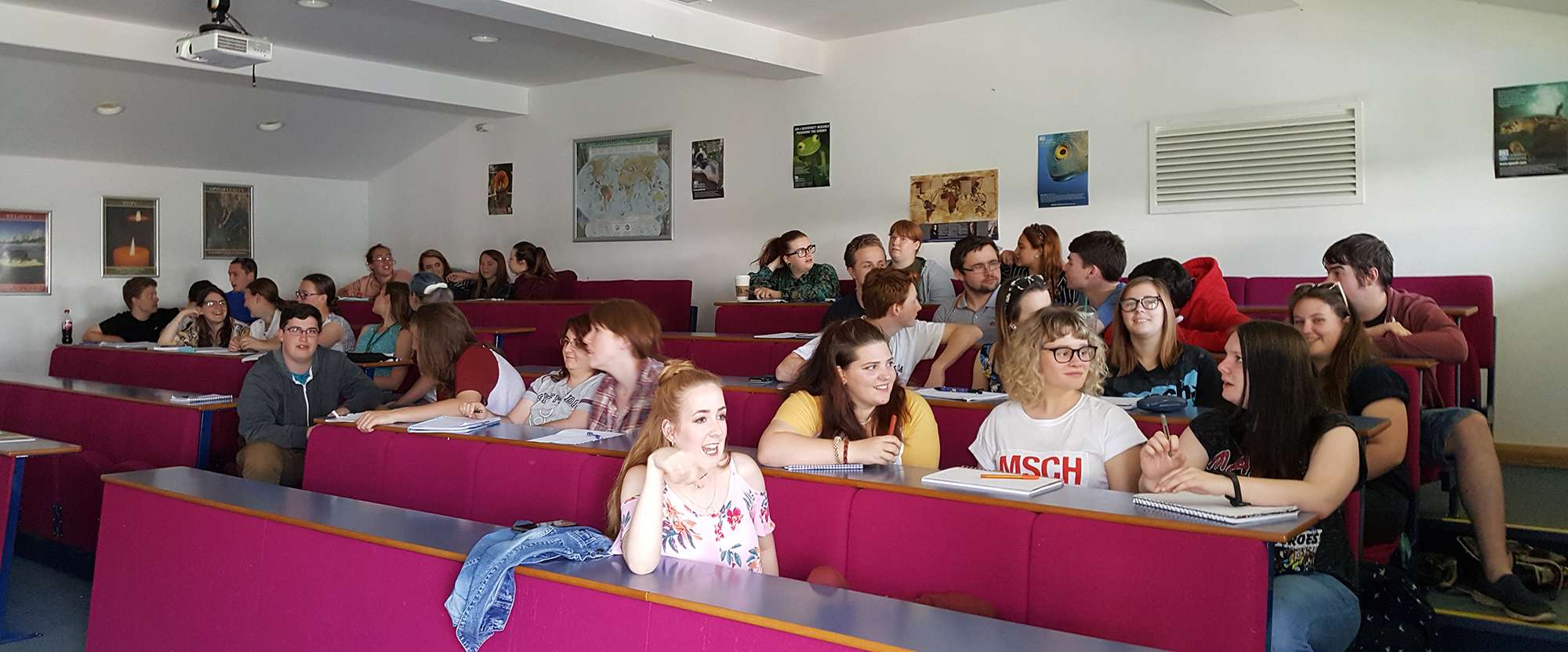
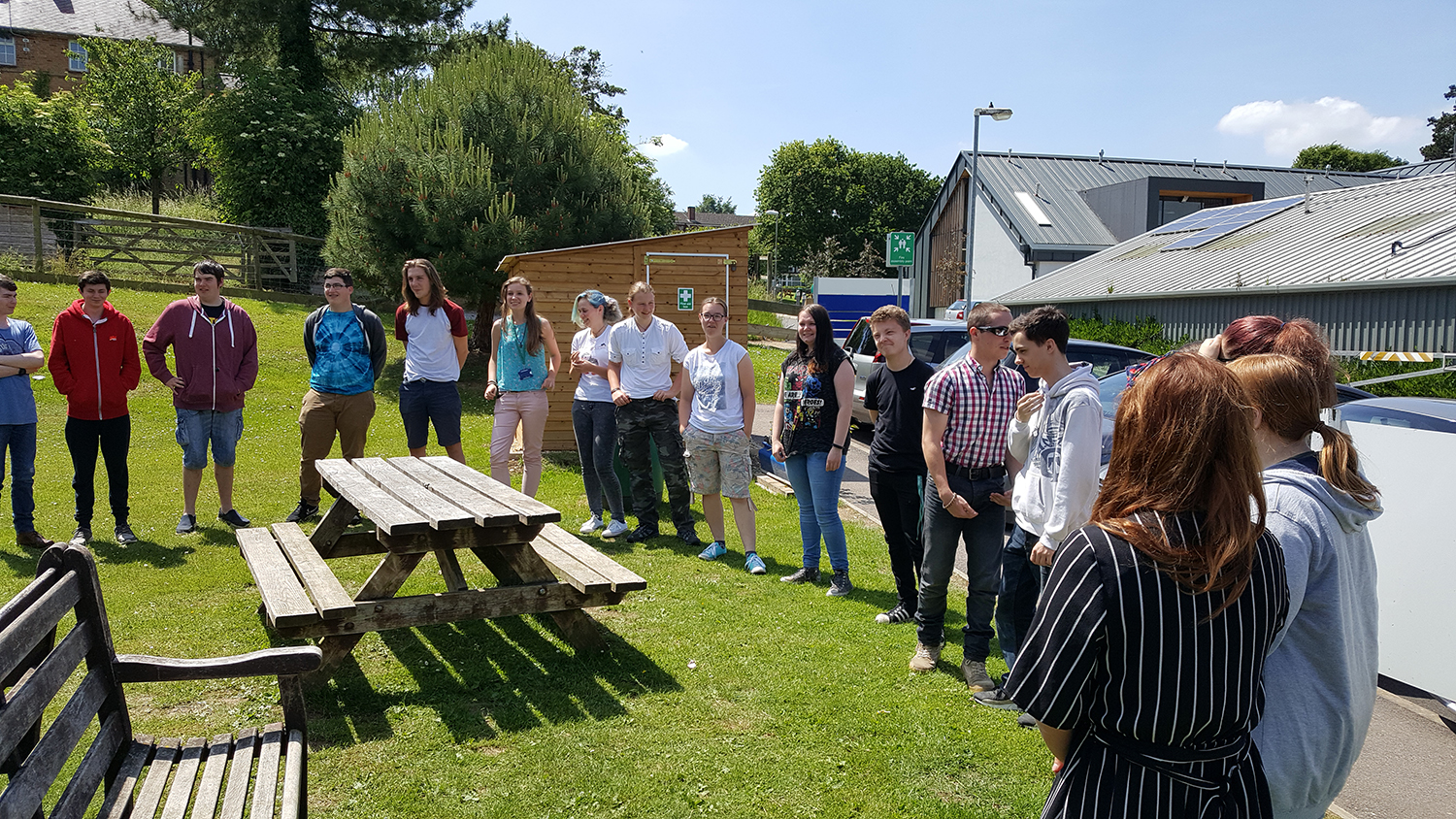
It was great to meet over 50 of the students this week and provide an insight for them into the world of work with a careers workshop.  The session was designed to give them an introduction to the jobs and career paths available in the zoo and wildlife sector, and with particular emphasis on the process, from job advert to CV and interview.

Whilst I indicated that there are some great opportunities for young people today, and the good work of zoos and wildlife centres is a great career to get into, the workshop provided skills that are transferable to other job situations, and I felt it important to be honest about the issues of current employment practice, HR, competition for jobs, and use of internships (and unpaid work). Students have to be prepared and learn the ways through the systems.

As someone who has interviewed a few hundred people in my career, and been involved in the recruitment process from both sides, I know there are some great people out there seeking employment or the next step on their career path. However, it seems many are finding that there are more barriers to cross and some of the good people get passed over because they don’t get past the selection systems. Good practice is seen across the industry, but at the same time, students and others are faced with different forms of ‘selection’ or ‘discrimination’ (in all but name). Today, as always, ‘zoo jobs’ are popular. So employers have to use some form of ‘selection’ to pick candidates for interview. More often than not, the job description/profile will define qualifications and experience (and skills) appropriate for the role.  These will get used as a ‘filter’ in selecting candidates.

The problem now is that sometimes, there are excellent and suitable people for the job who don’t quite ‘tick the boxes’ and thereby don’t get selected.  My career in zoos started thanks to a zoo education manager seeing that although I had no formal qualifications in biology or education (at the time) but had demonstrated an interest and a passion in my ‘application’. I then undertook my training and formal qualifications once I was in the profession.

Many applicants are rejected on the basis of not having the ‘correct qualification’ (and which college/university rated or not) and not having enough experience. However, they might actually be a better person for the role, its just getting past the ‘gatekeeper’ and demonstrating this at an interview.  Persistence and passion are two characteristics that can help. Volunteering at the desired organisation is another, and worryingly there are now more unpaid internships being used – great opportunities for experience but for many this is a ‘luxury’ as it costs the ‘volunteer/intern’ and good candidates could be excluded due to their own financial or logistical situation.

There is a lot of emphasis upon the ‘candidate’ doing all the right things for their career development – which is of course quite right. At the same time, there are good employers who recognise their role in developing individuals and giving someone a chance. I wish this year’s graduates and college leavers success in their applications and steps on the career ladder, and encourage employers to support the next generation of employees and help them with training and opportunity.   

Conservation Education & Communication – Training at Durrell

The Durrell Conservation Academy in Jersey has been involved in the training of hundreds of conservationists from around the world and its flagship programme is the Durrell Endangered Species Management Graduate Certificate – DESMAN. It was an honour to be asked to run the Conservation Education training aspect of this year’s course.

The participants this year were from Rwanda, Mauritius, Madagascar, Seychelles, St. Lucia, Borneo, Indonesia, Brazil, China & UK, and their four month residential course is validated by DICE, University of Kent. So it was great to play a small part in the delivery and development of the participants learning & engagement in conservation.

For the few days I was at Durrell, I created a workshop on Conservation Education Theory & Practice, covering aspects of learning theory and lots of practical activity in communication and presentation skills. The students were great to work with, and it is a privilege to have met them and been involved in their development, and I was delighted to read their feedback, for example:

“It is very interesting session; the funny way you do the education is good. I think that it helps a lot to share examples of education in conservation. Personally I have got many tips from the sessions and many things to apply back home.”

“Great enthusiasm, some great ideas; kept us interested. Gave me new skills. Very relevant to my career. Useful contact to have”.

For conservation to succeed it is essential that the people and communities around conservation projects are fully engaged and informed; and its not always easy, so we covered using different techniques for different audiences and building the students confidence in this area.  I look forward to hearing of their work in the field in years to come.