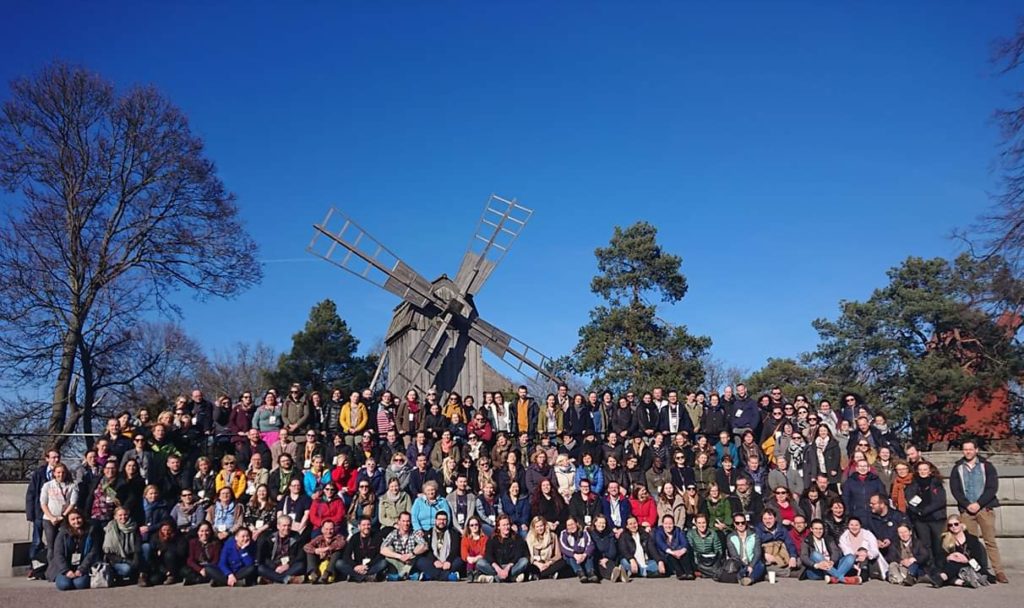
Every two years the European Association of Zoos and Aquaria [EAZA] have an education conference, and this March it was hosted by Skansen, Stockholm, Sweden.
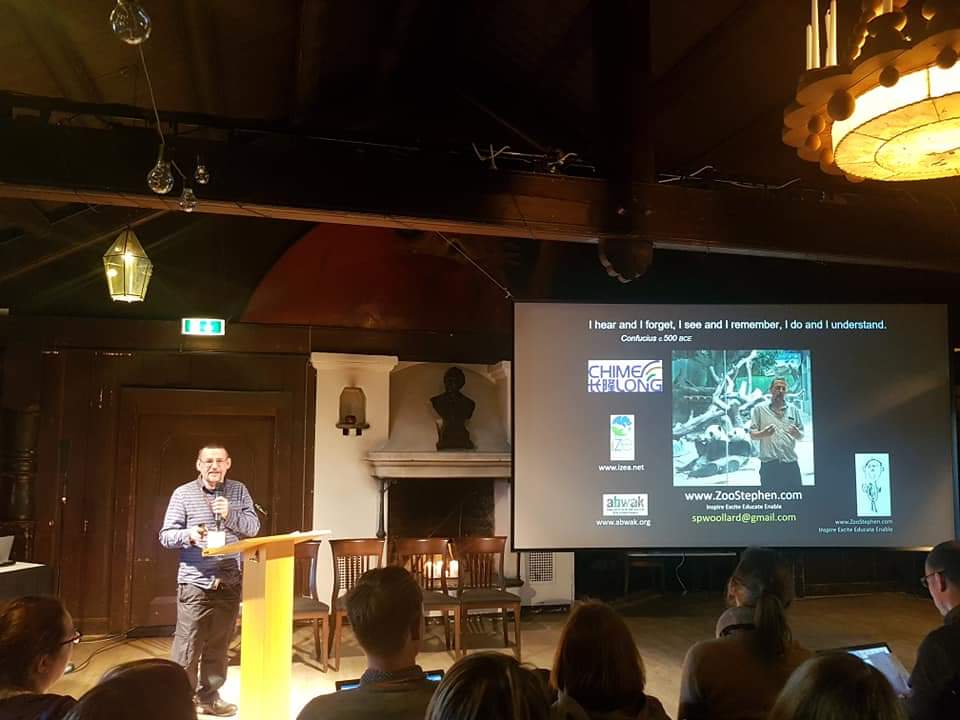
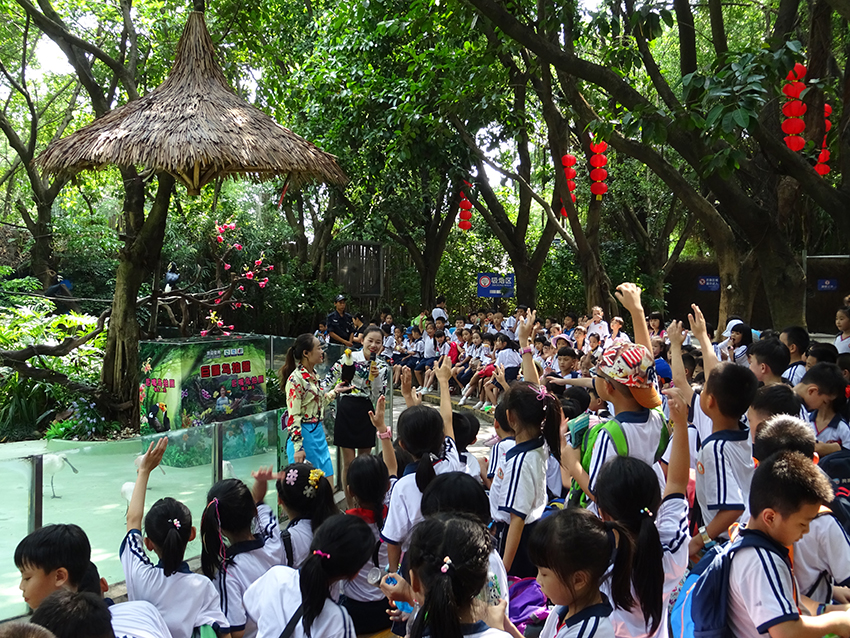
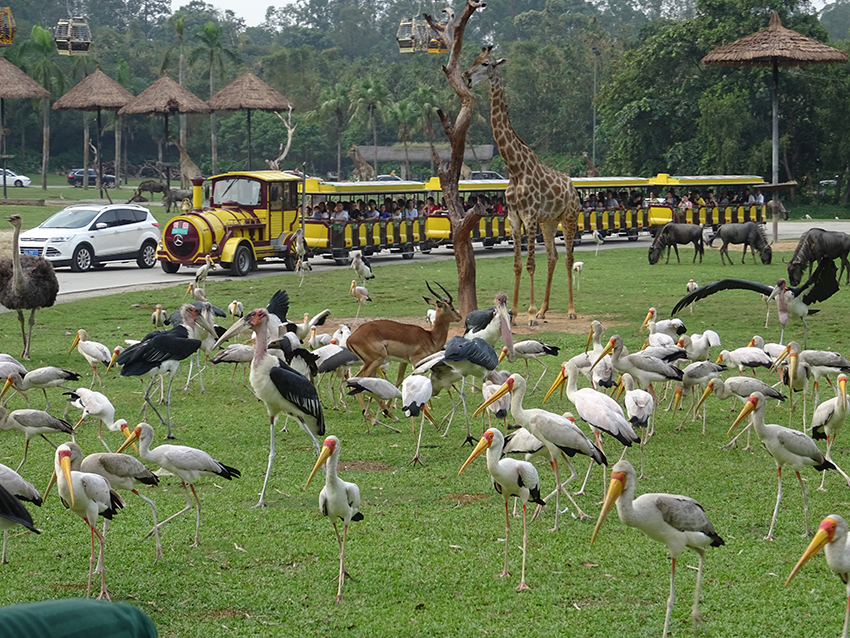
I have used the EAZA Education Standards in my work with Chimelong Group, in China, as a way of benchmarking and auditing their work, as well as in further developing their already good educational activities to an internationally recognised standard.
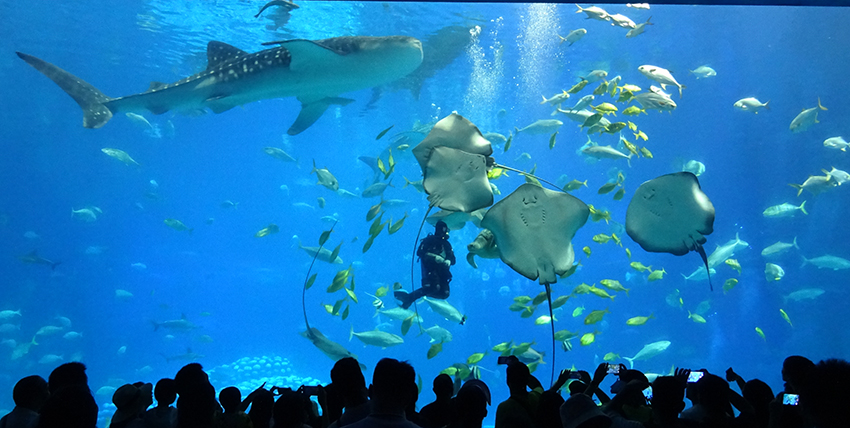
It was great to be able to attend the EAZA Education Conference and to both give a presentation upon my work in China, and a poster highlighting the use of ‘animal shows/performances’ as an educational tool. It was also good to challenge pre-conceived ideas some have about China, and to indicate how important it is that we engage and work to develop conservation education in China.
Skansen in Stockholm is a zoo – primarily for nordic animals, but also some tropical species and a new Baltic Sea Science Center – opening very soon. However, Skansen is also a historical museum, featuring many houses from across Sweden, showing different cultures and styles over the years.
The conference was attended by nearly 200 delegates from 34 countries – and it was great to meet up with old friends and make some new ones too. The networking of ‘educators’ is quite a loud occasion – we all like to talk 🙂 and also a very cooperative and supportive one. We learn from each other and share ideas and thoughts, and with the EAZA standards, which will be adapted to be world standards, we also have a mechanism for developing a professional and strong conservation education programme that is of merit and significance. I am hopeful that Chimelong zoos will lead the way on developing and implementing such standards in China.
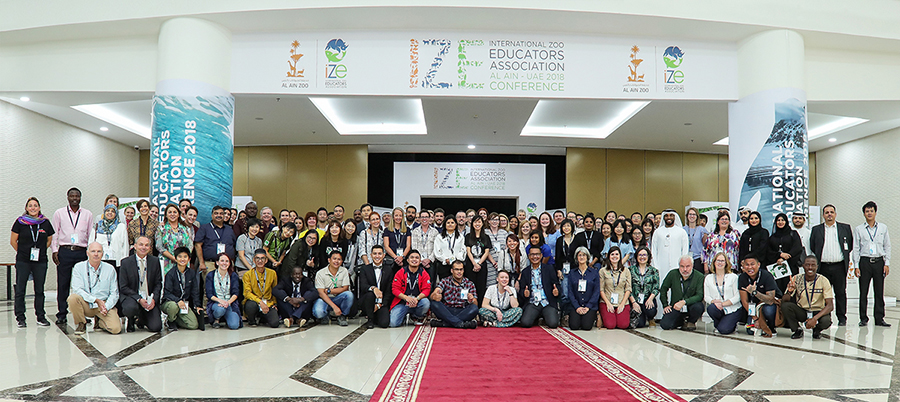
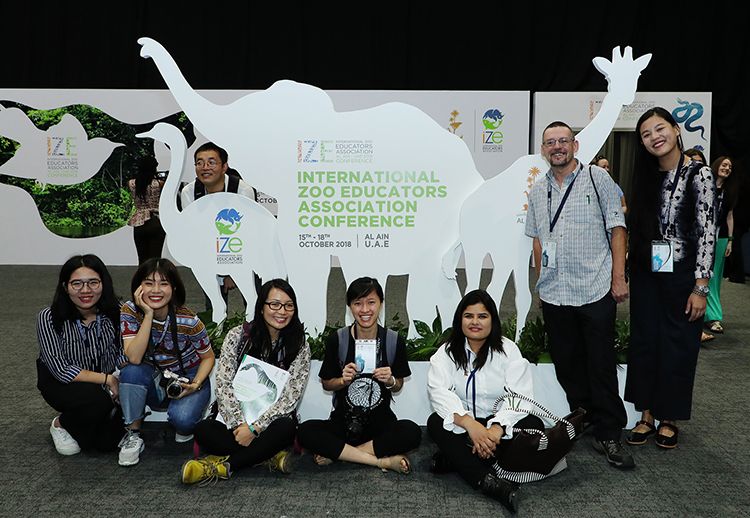
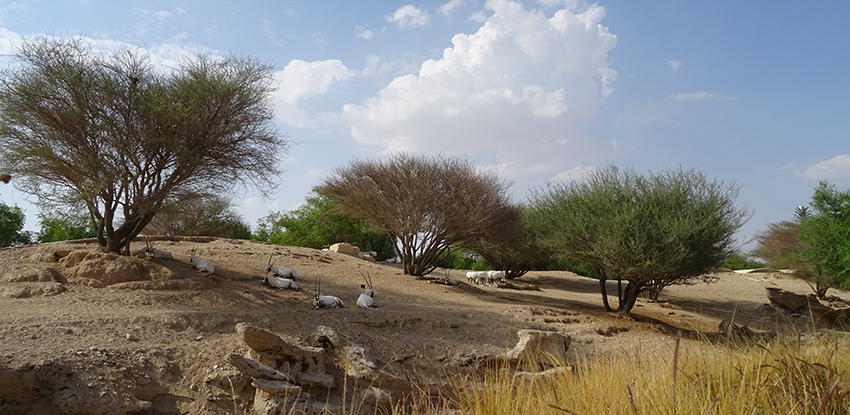

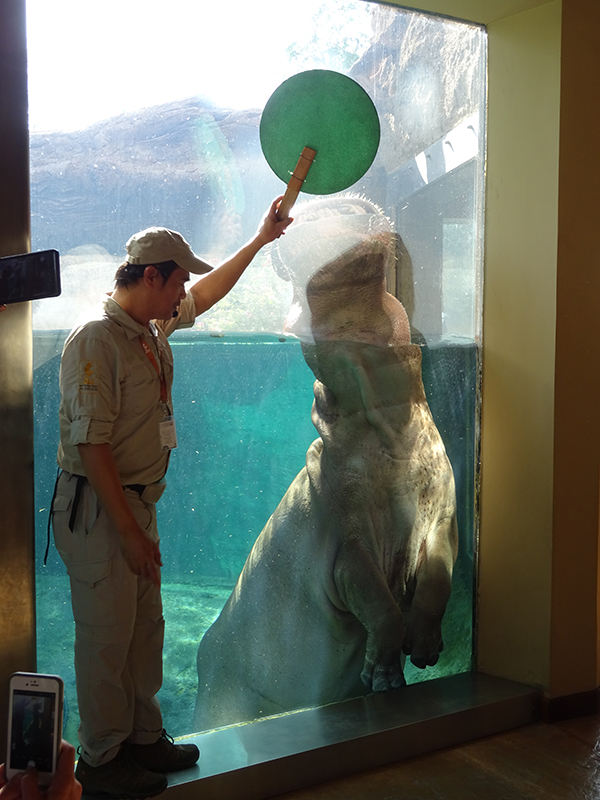

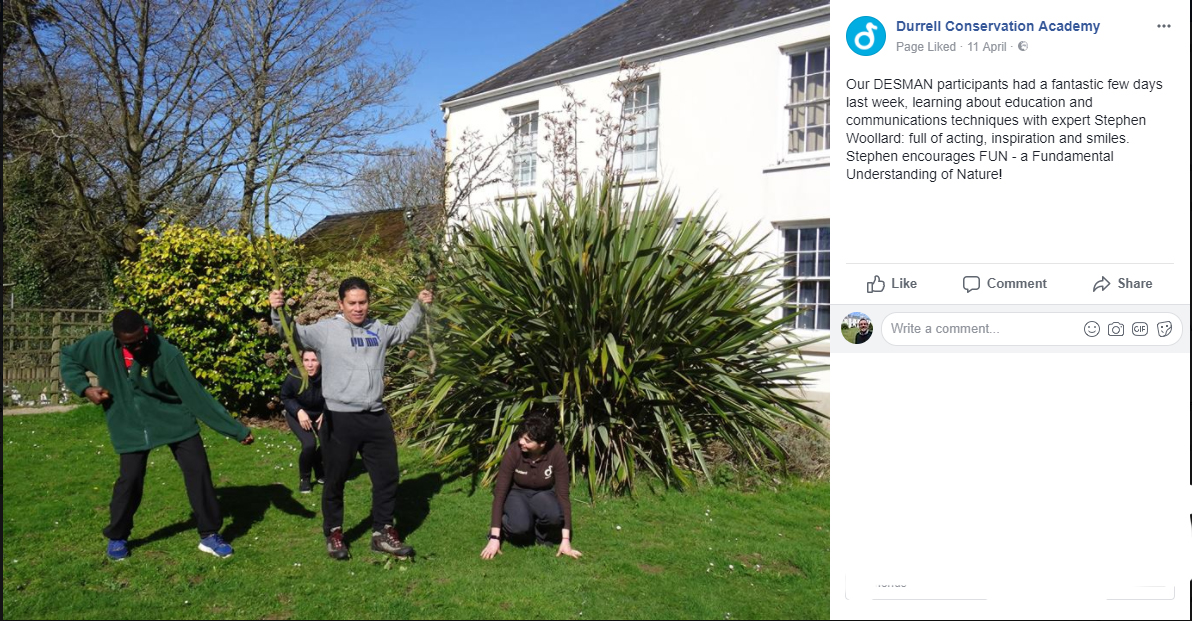 There is hope for the future. Conservation is often depicted as a battle and struggle, full of responding to ‘bad news’ and events – which undoubtedly it is. However, we should also be optimistic and celebrate the good news and success stories too. No conservation project, no matter how well conceived, planned and intentioned, will fully succeed unless it has the support of the people. Thankfully there are some amazing, inspiring and dedicated people around the world, working to conserve, protect and develop our understanding of nature. Some of these people are the participants in the Durrell Conservation Academy DESMAN course.
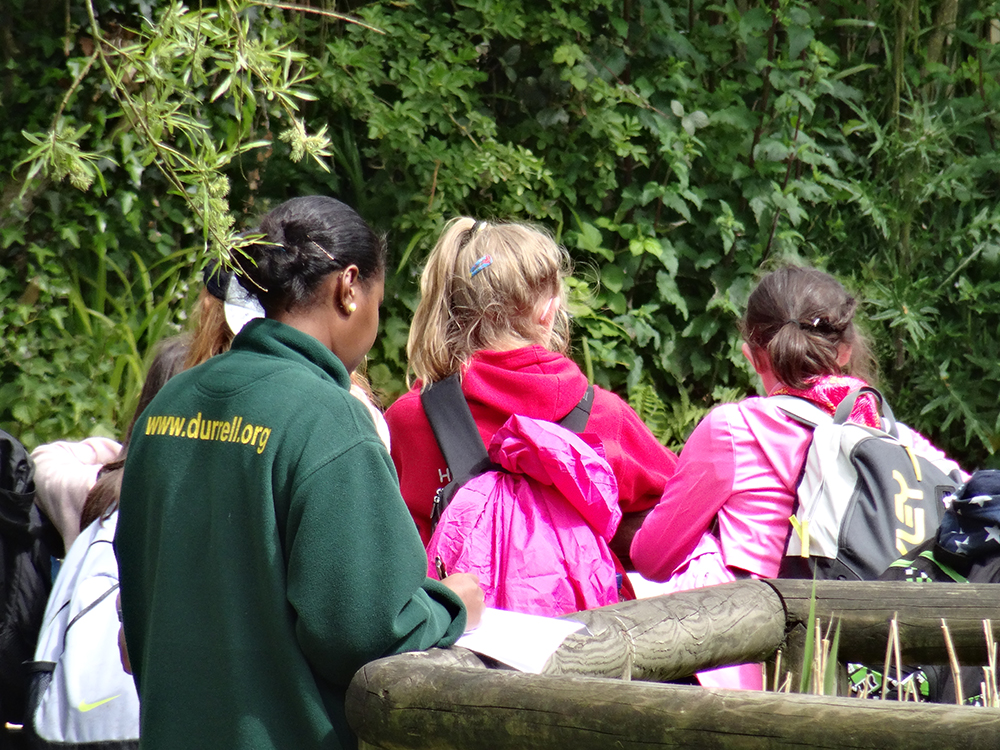
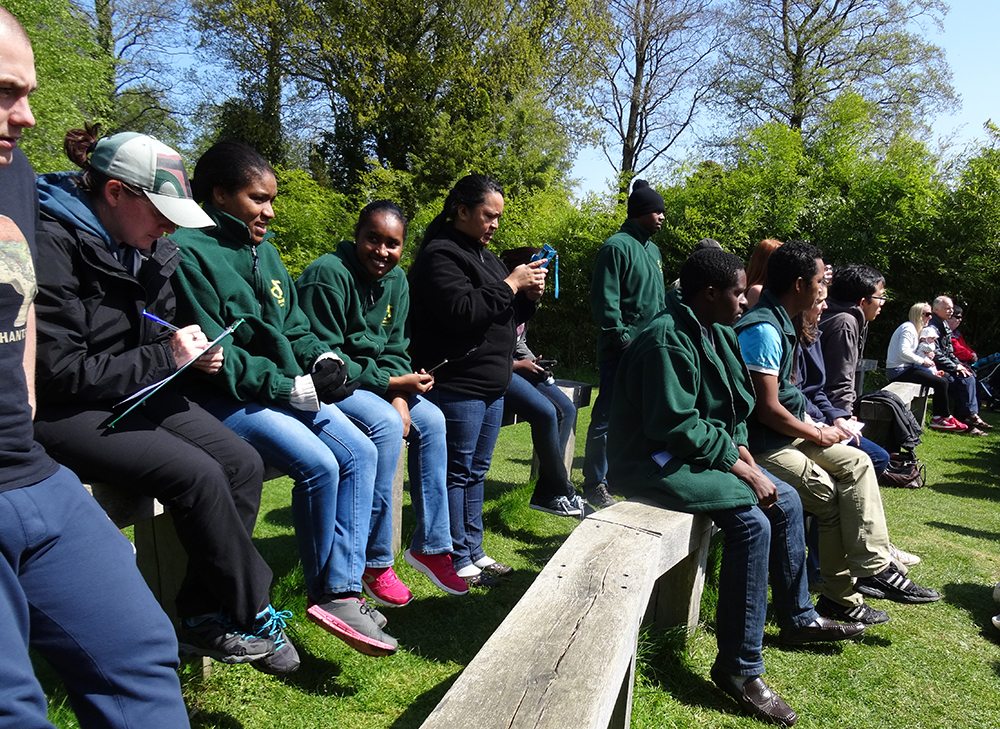
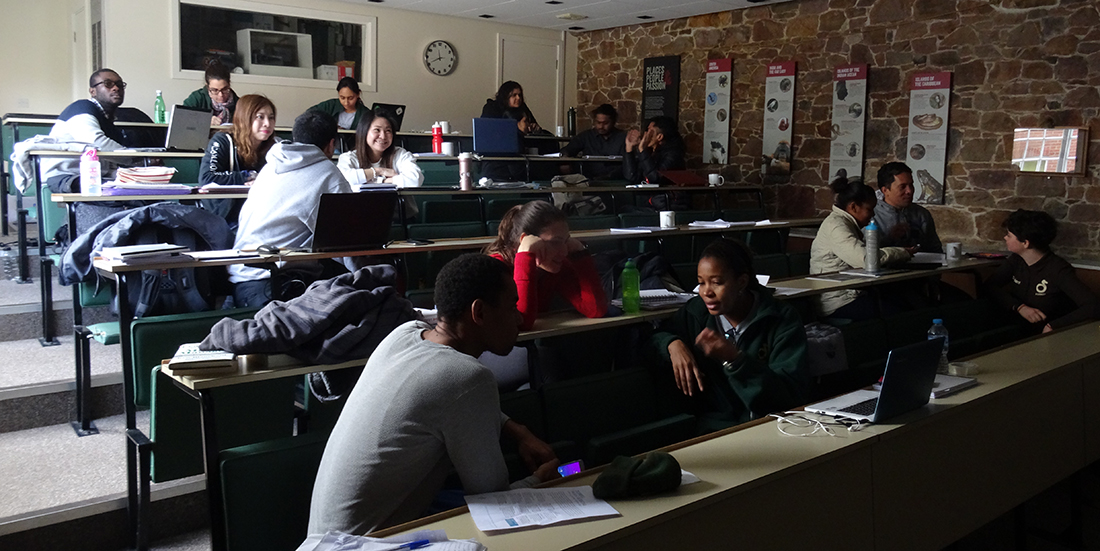 It was an honour and privilege to be invited to speak and lead a few days workshops for the DESMAN in Jersey once again; the third year I have done this. My education and communication ‘course’ was well received and I thoroughly enjoyed engaging with this year’s students who came from: Armenia, Brazil, Canada, China (Hong Kong), India, Nigeria, Samoa, St. Lucia, Seychelles, Sri Lanka, Sumatra, & UAE.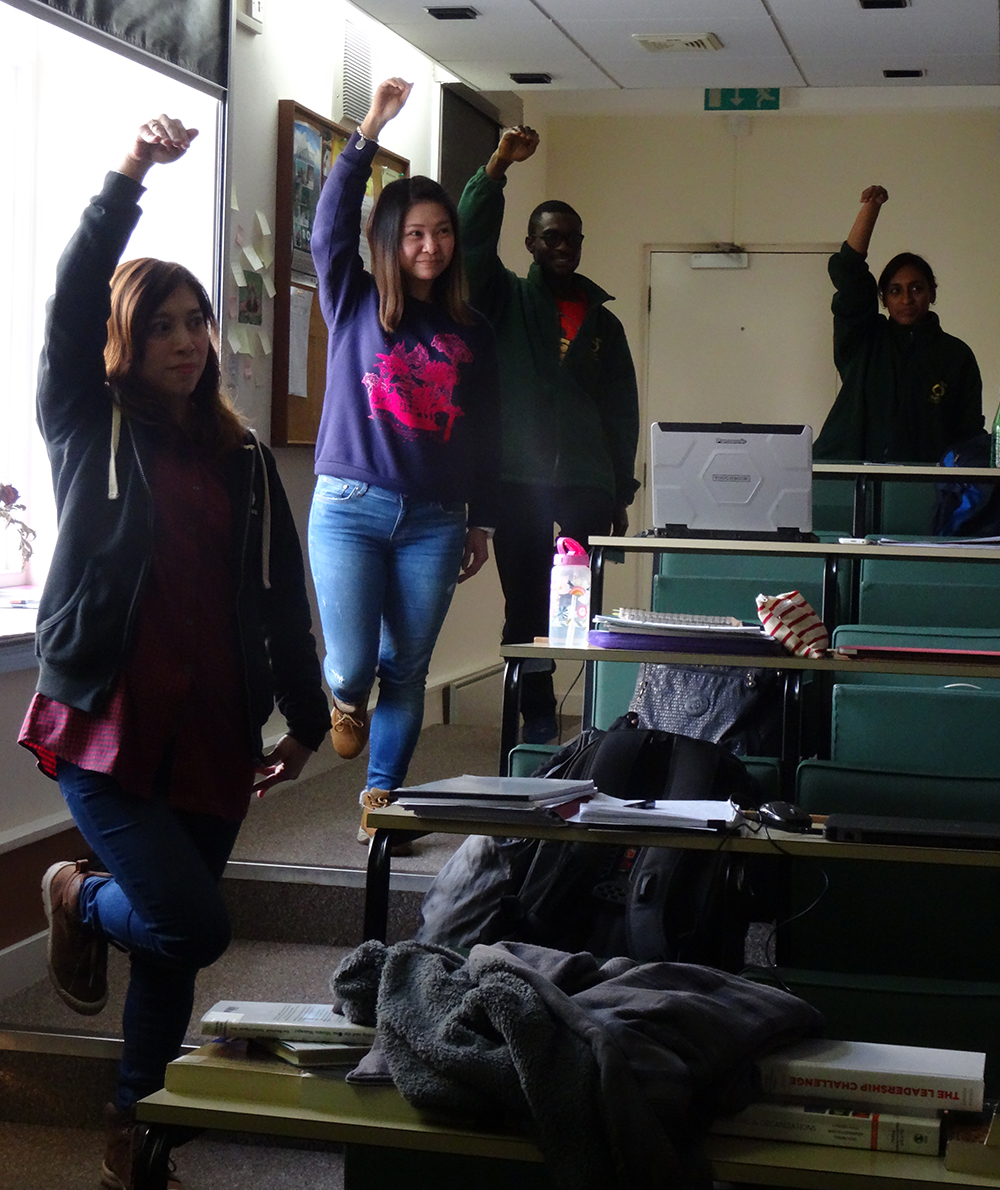
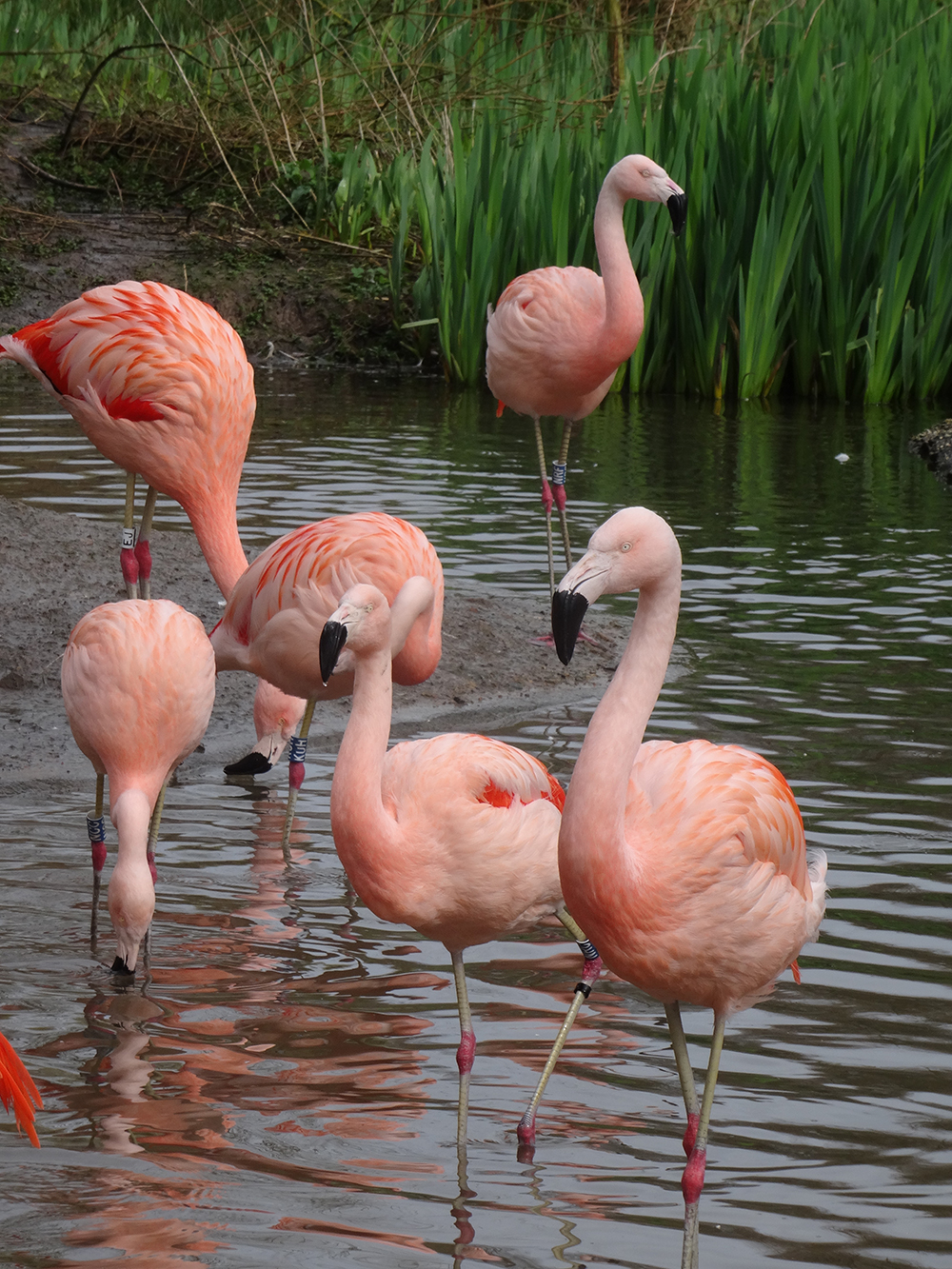
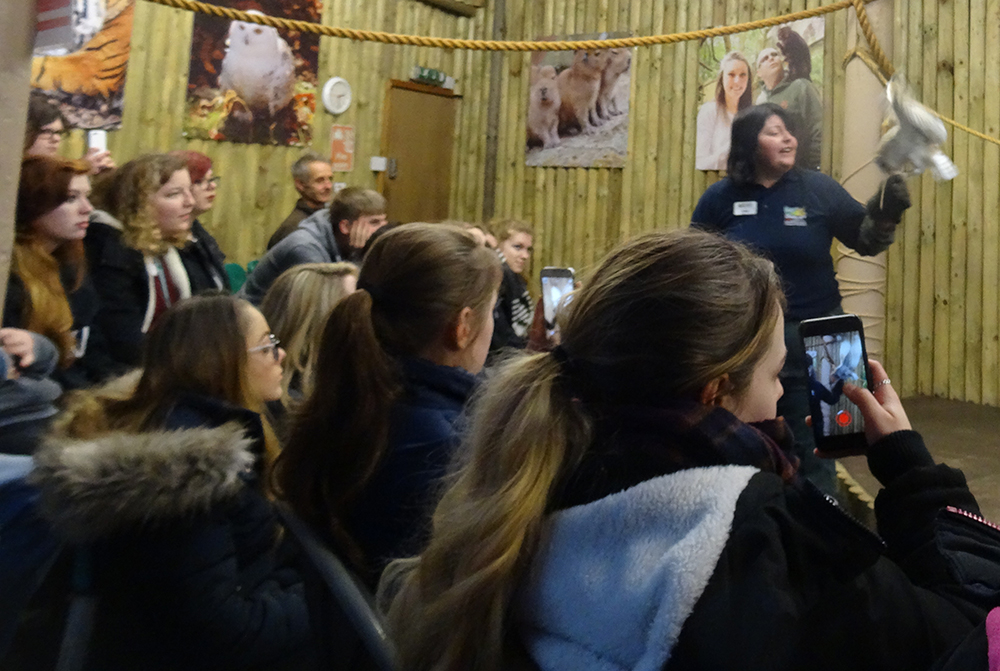
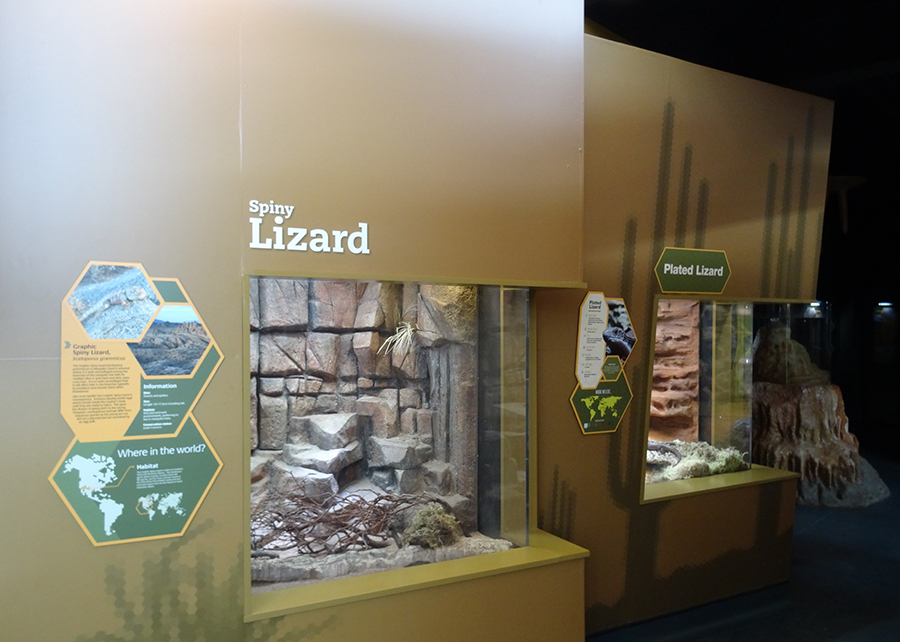
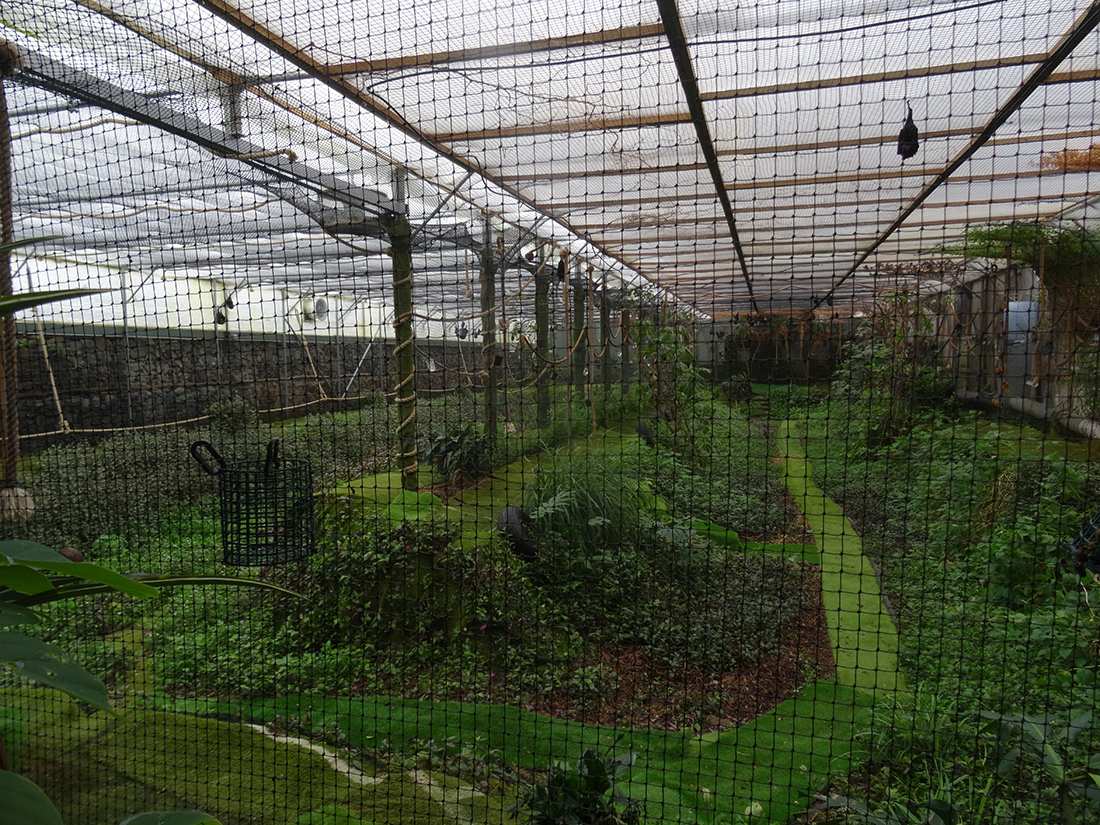 It was of course also great to return to Jersey Zoo, HQ of Durrell and enjoy time in the Zoo – not least the brilliant bat flight enclosure – which in itself has a great community and recycling story in its construction. We also enjoyed reviewing and critiquing the education for visitors, by observing talks, signs and discussing education programmes. One of the great aspects of the DESMAN is that the diversity of participants may have specific field projects and focus, but they get to understand endangered species management in general and the multi-faceted approach needed for conservation to succeed – including through education and communication.
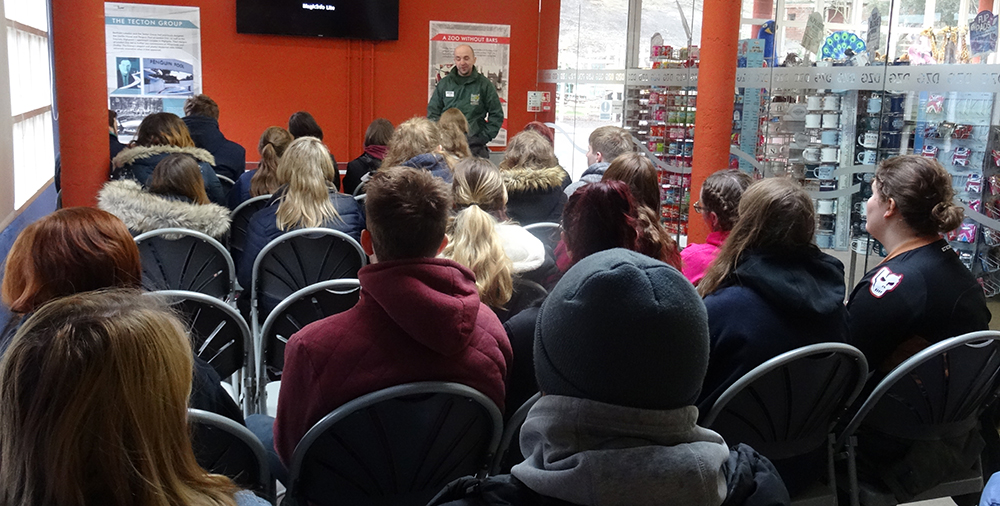
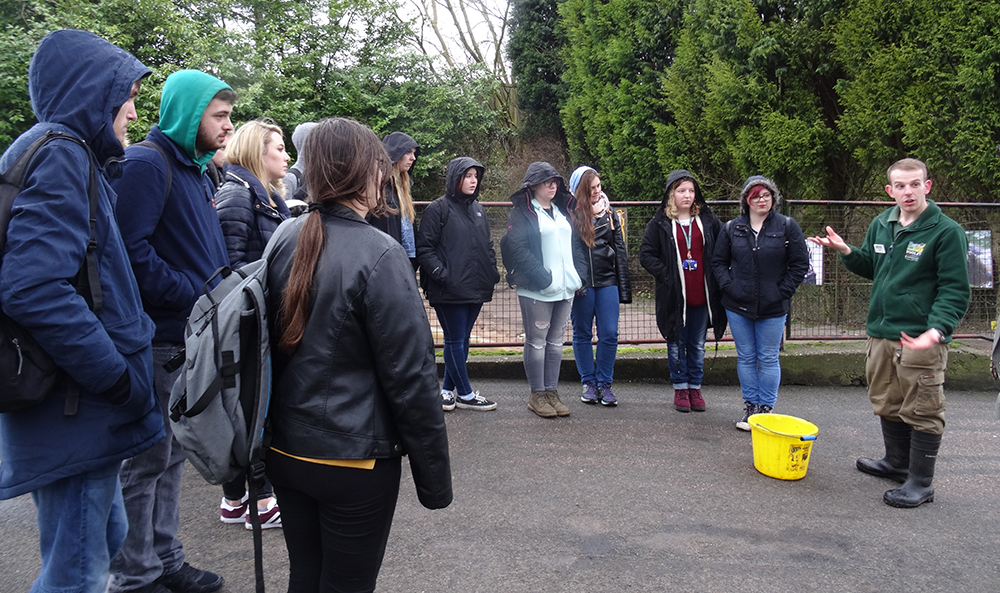
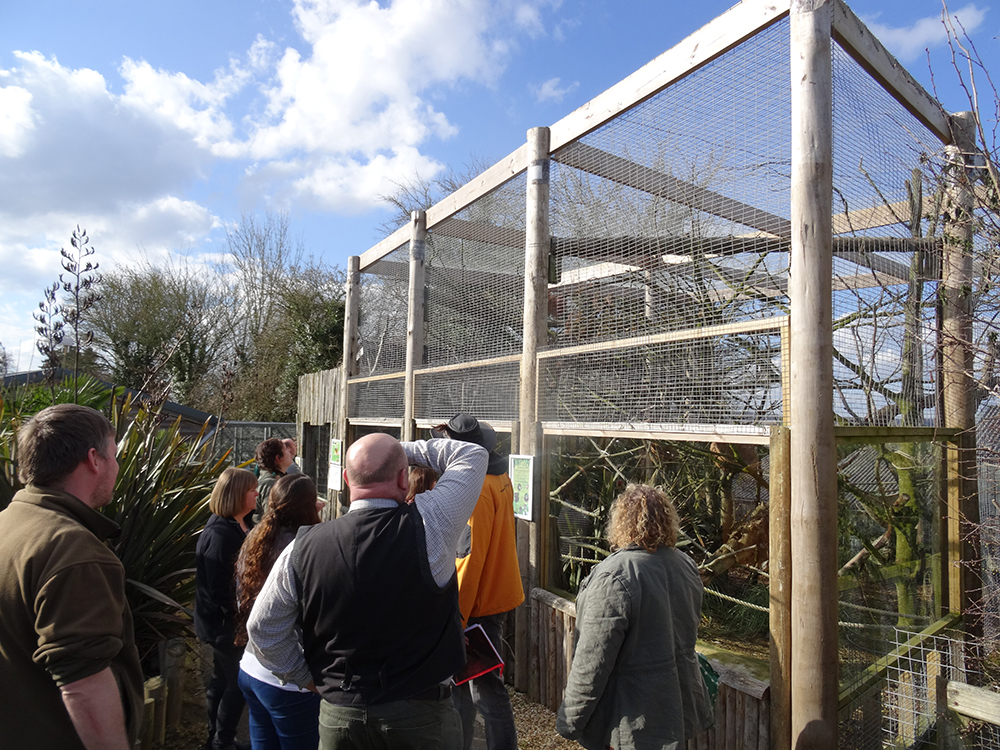
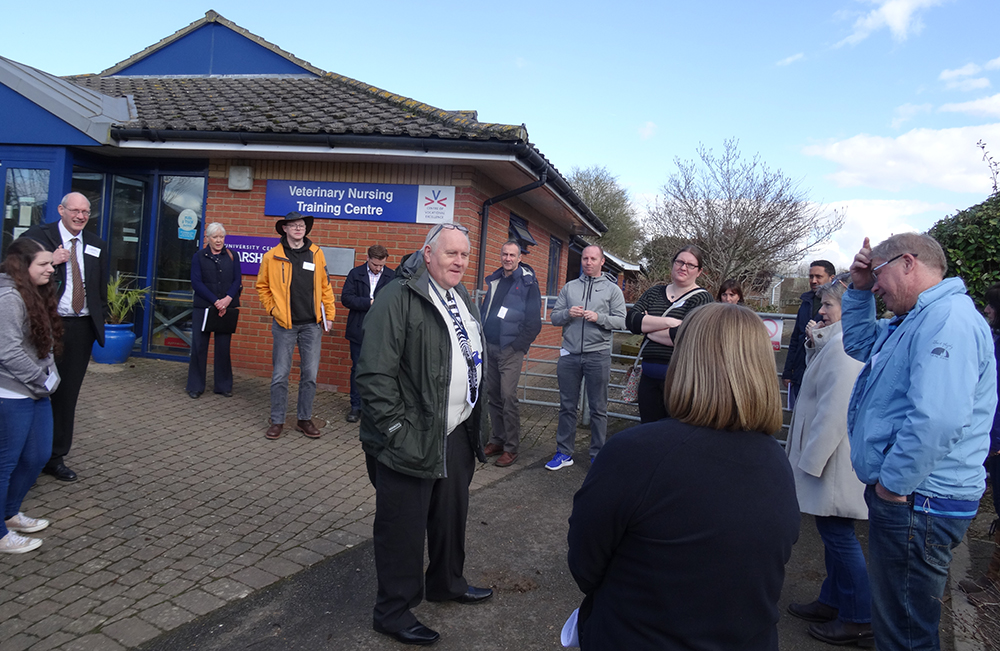



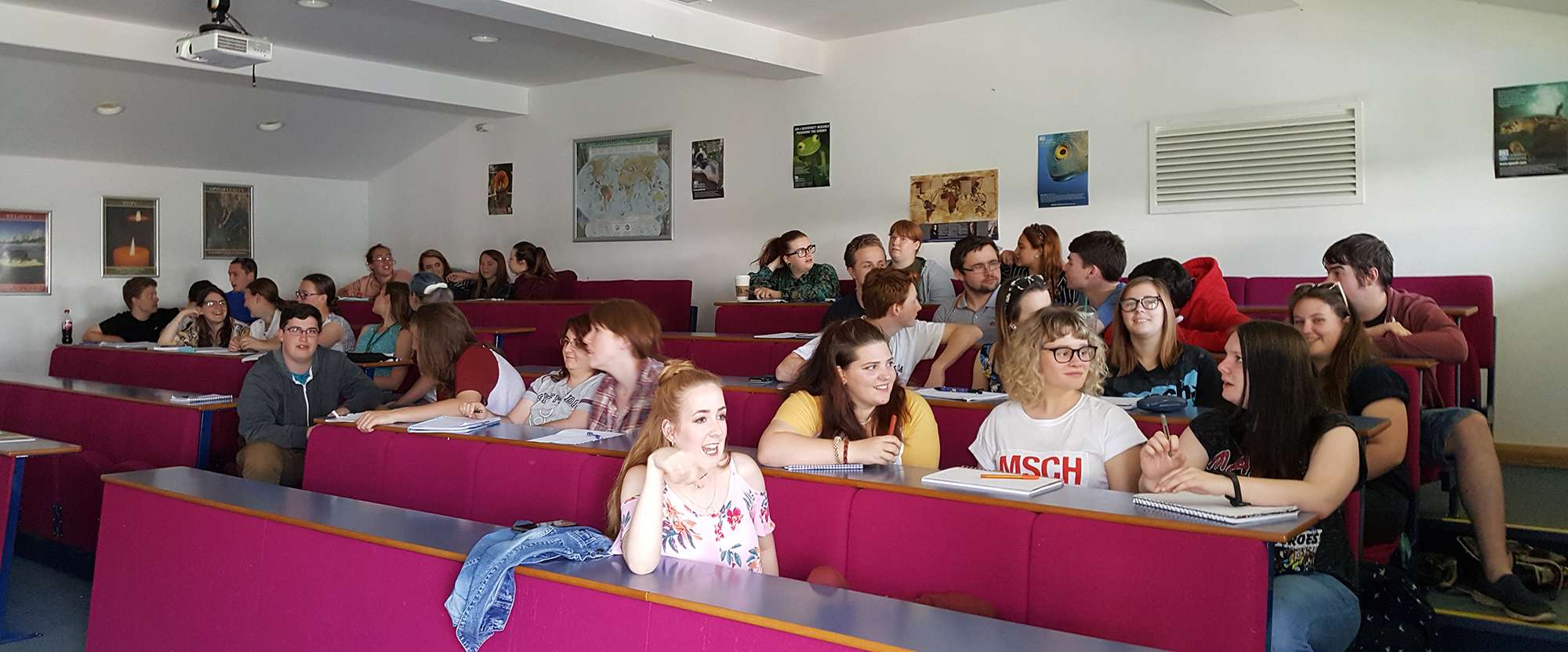
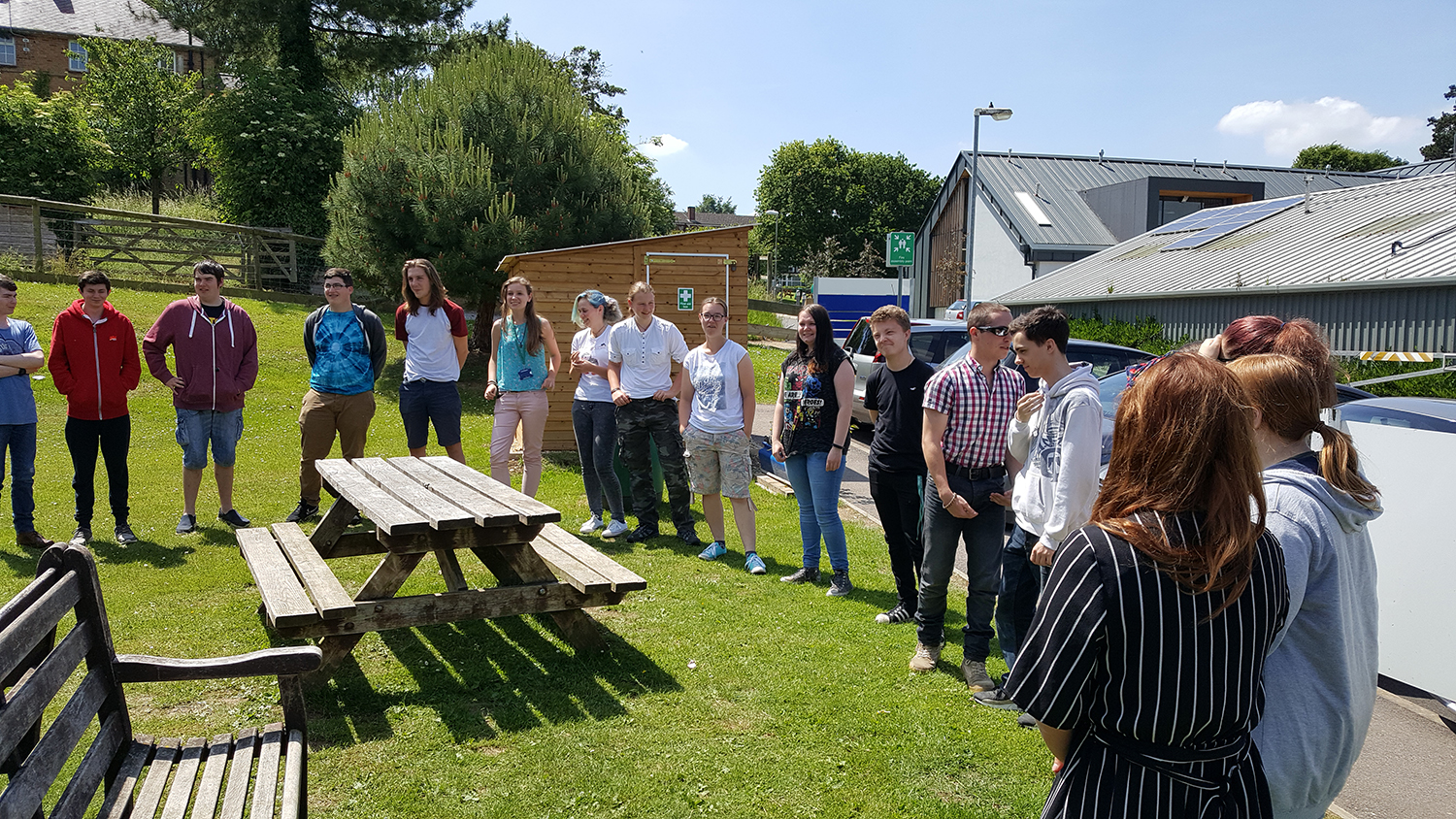
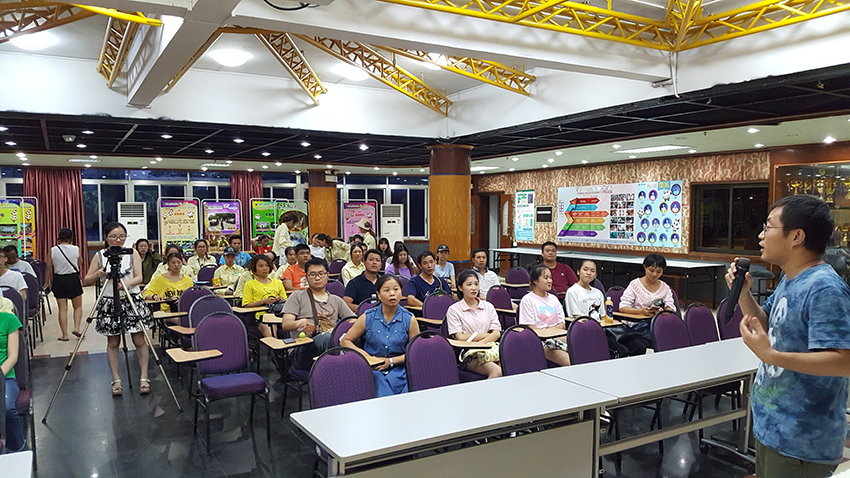
 It was great to meet over 50 of the students this week and provide an insight for them into the world of work with a careers workshop. The session was designed to give them an introduction to the jobs and career paths available in the zoo and wildlife sector, and with particular emphasis on the process, from job advert to CV and interview.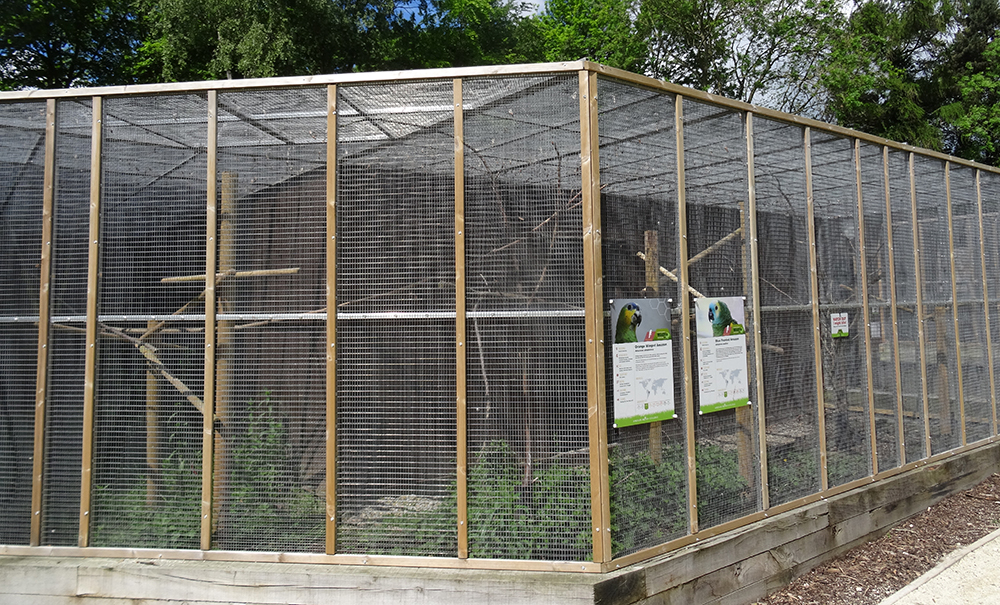
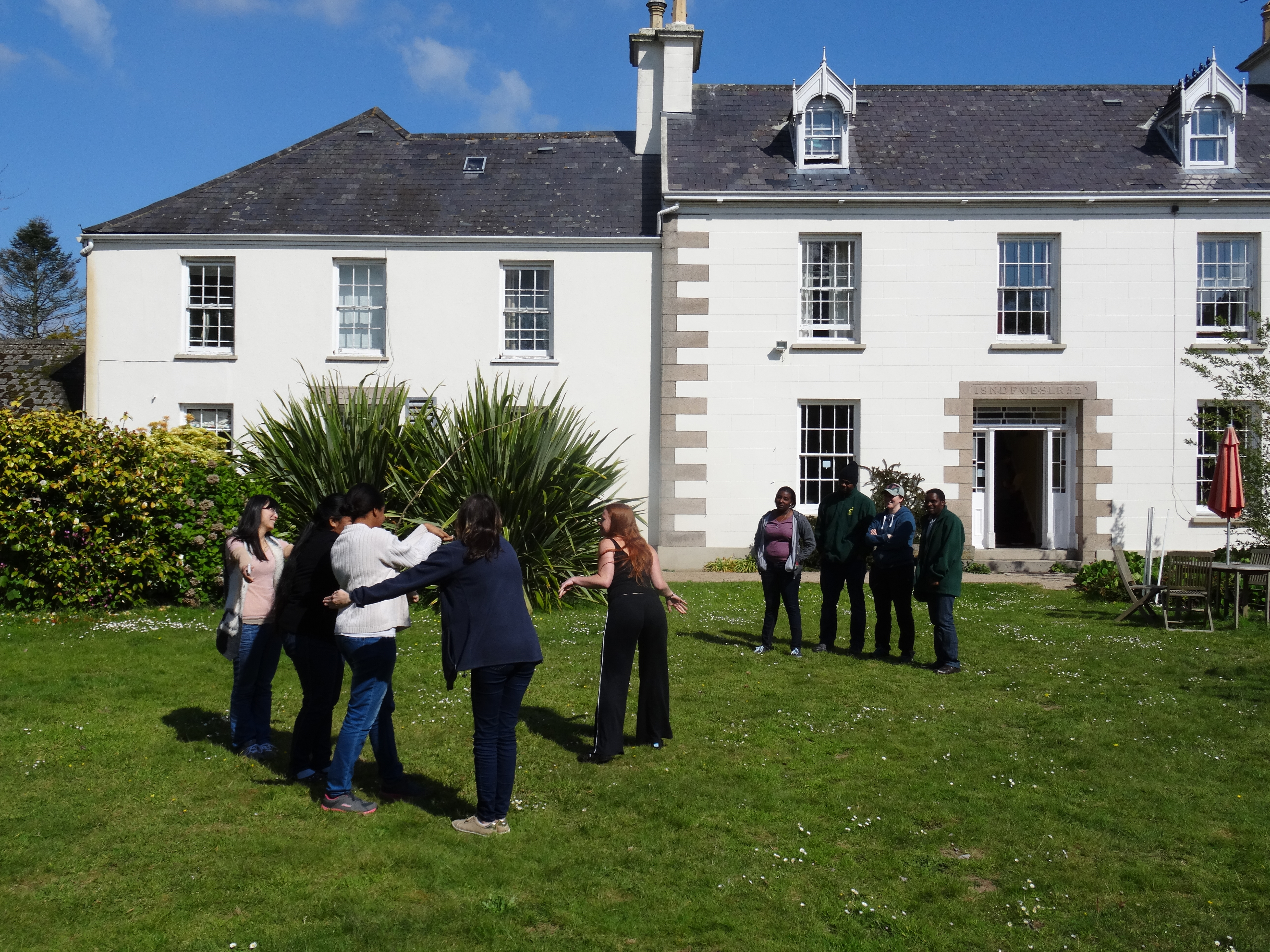
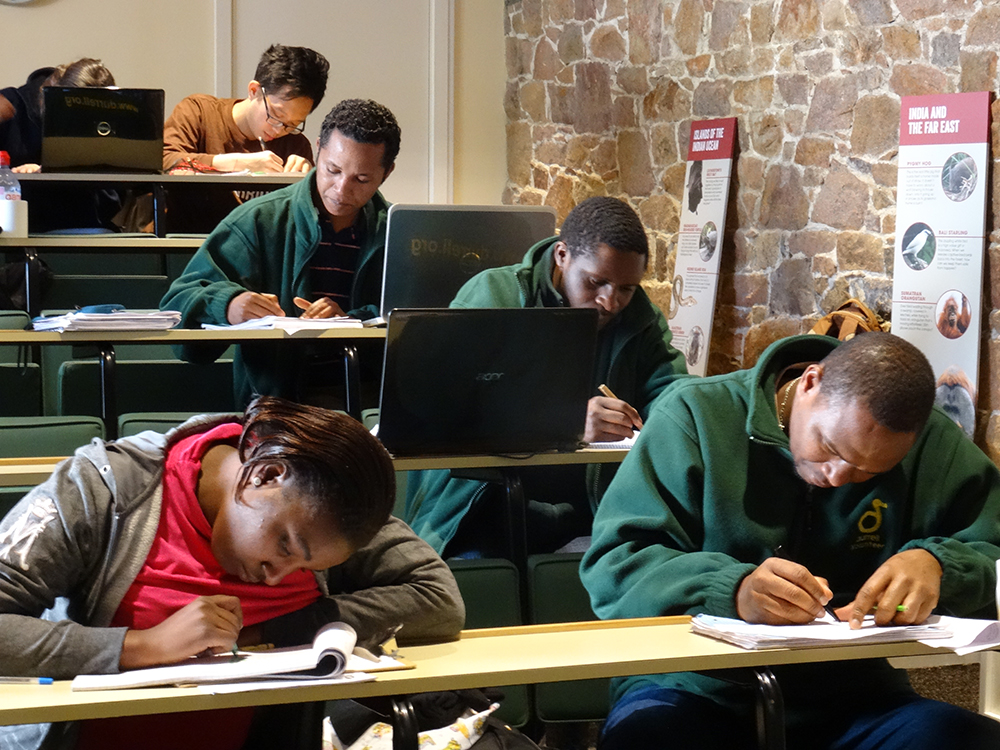 The Durrell Conservation Academy in Jersey has been involved in the training of hundreds of conservationists from around the world and its flagship programme is the Durrell Endangered Species Management Graduate Certificate – DESMAN. It was an honour to be asked to run the Conservation Education training aspect of this year’s course.