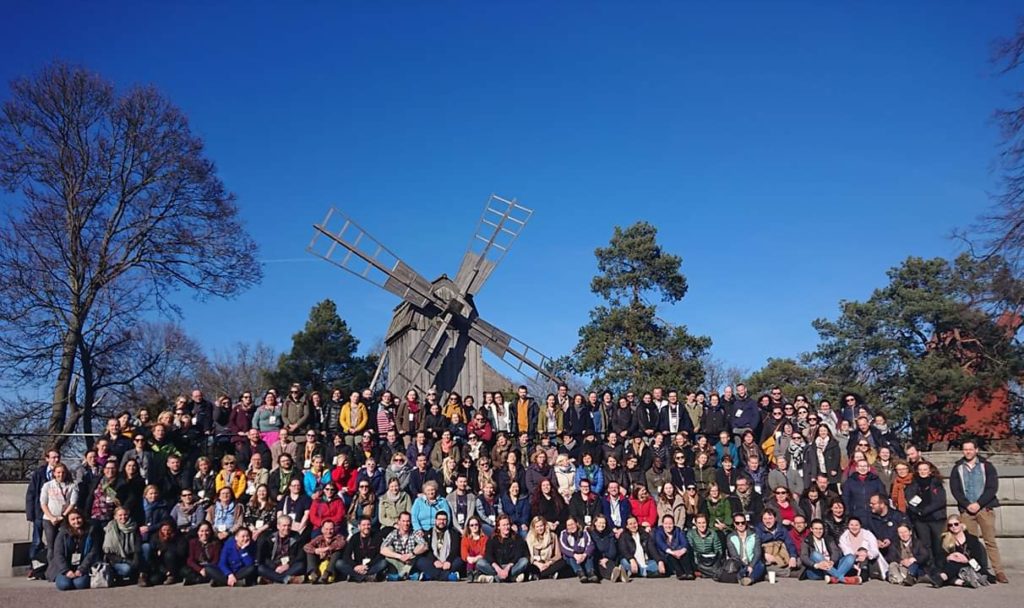
After 10 years of ZooStephen this year has been marked by further international engagement and travel. After a holiday visiting renaissance Italy (Florence & Pisa) in March, I travelled to Denmark & Sweden in April to deliver a training workshop and then at the end of May was part of a team visiting India delivering training as part of the pilot of the Indian Zookeeper Competency Framework for Life Science Education Trust [LSeT].
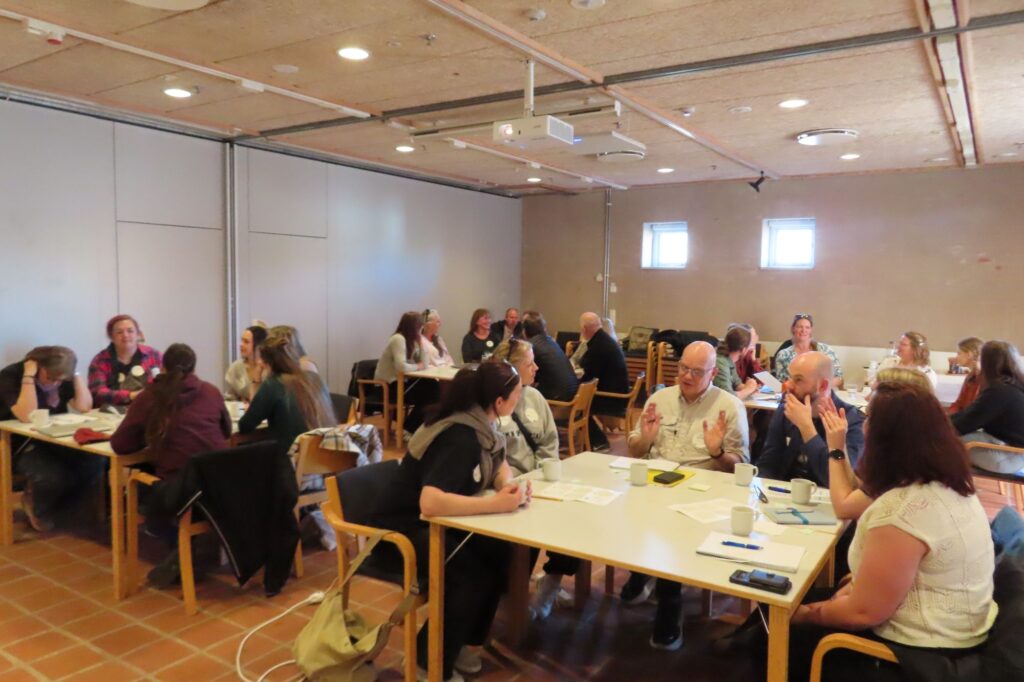
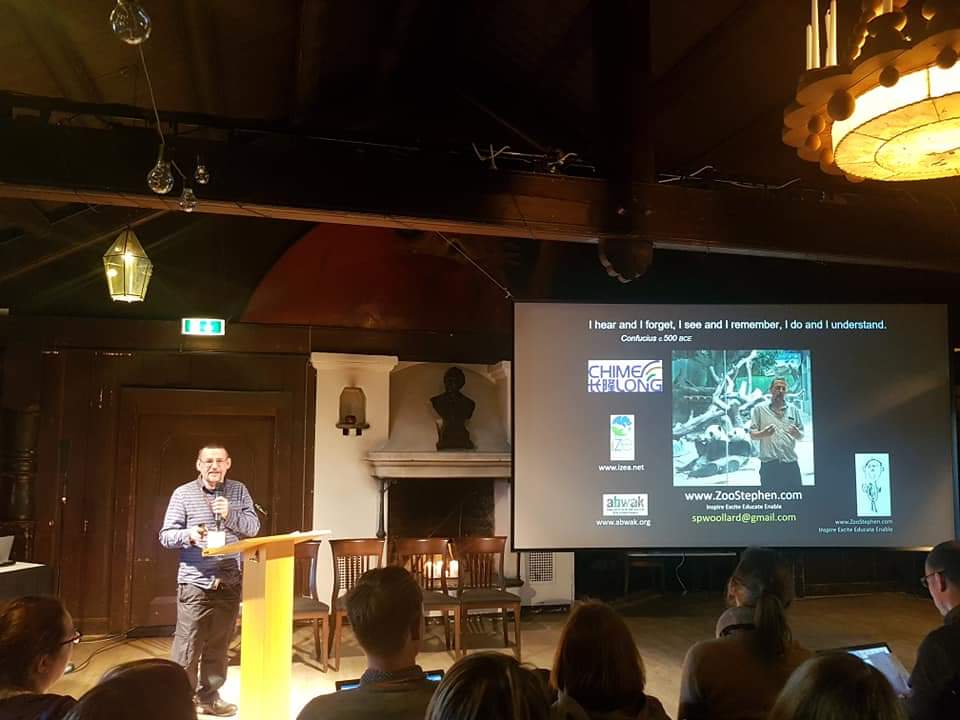
I was invited as a guest speaker / workshop leader to the Swedish Zoo Association – Svenska Djurparksföreningen – education meeting in Helsingborg, Sweden in April. It was great to facilitate a 4 hour session involving a diversity of communication skills and challenges to education conservation messages. The delegates came from zoos across the country and thankfully for me spoke excellent English.
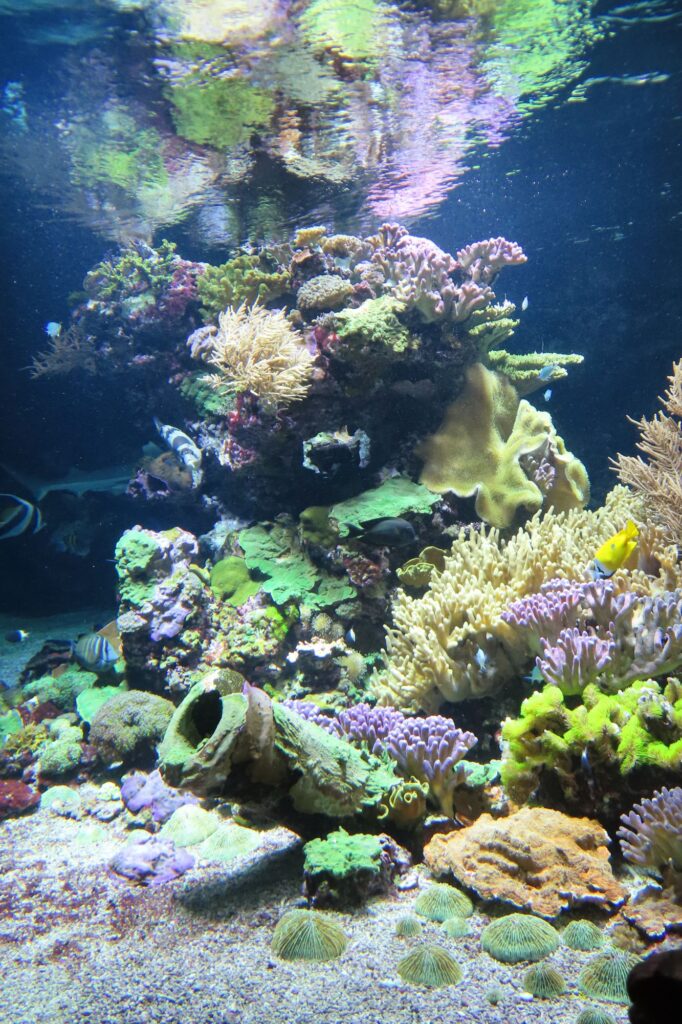
The workshop was held in the historical open museum however, the local zoo, Tropikariet, hosted a visit and dinner. An interesting small tropical collection primarily featuring aquarium and reptiles, with some other species. During my trip to the region I took the opportunity to revisit the historic Copenhagen Zoo – first visited back in 1996.
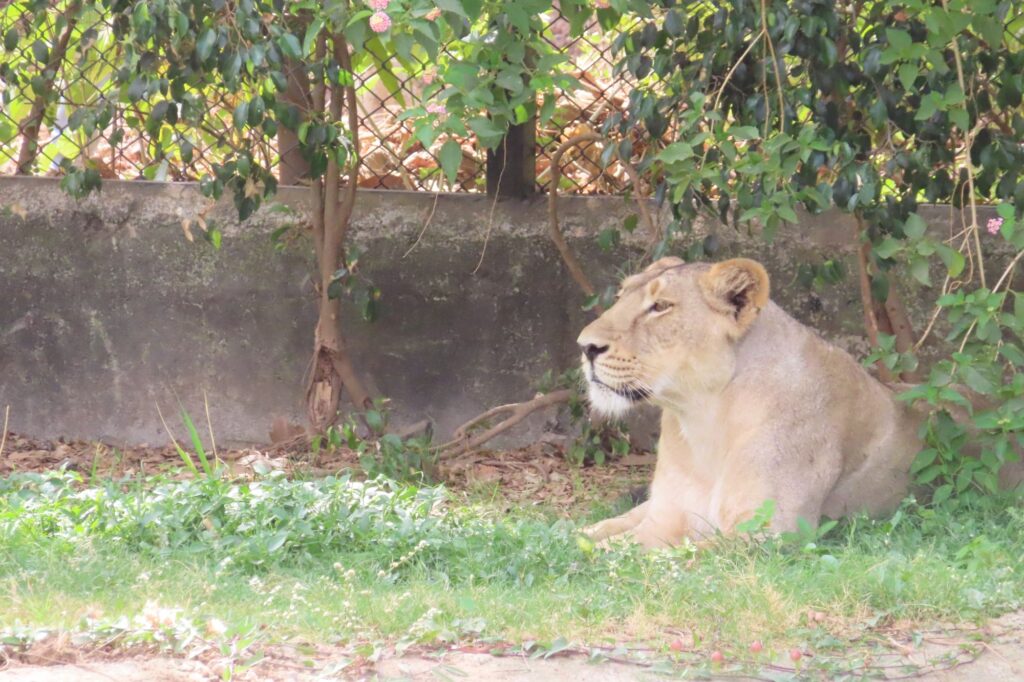
The Asiatic lion is found wild in the Gir Forest, Gujurat, India. Sadly I had to pass up the chance of seeing them in the wild, due to logistics (distance & time) and cost, however, I was delighted to visit Gujurat in late May – although one of the hottest weeks of the year (40+ degrees).
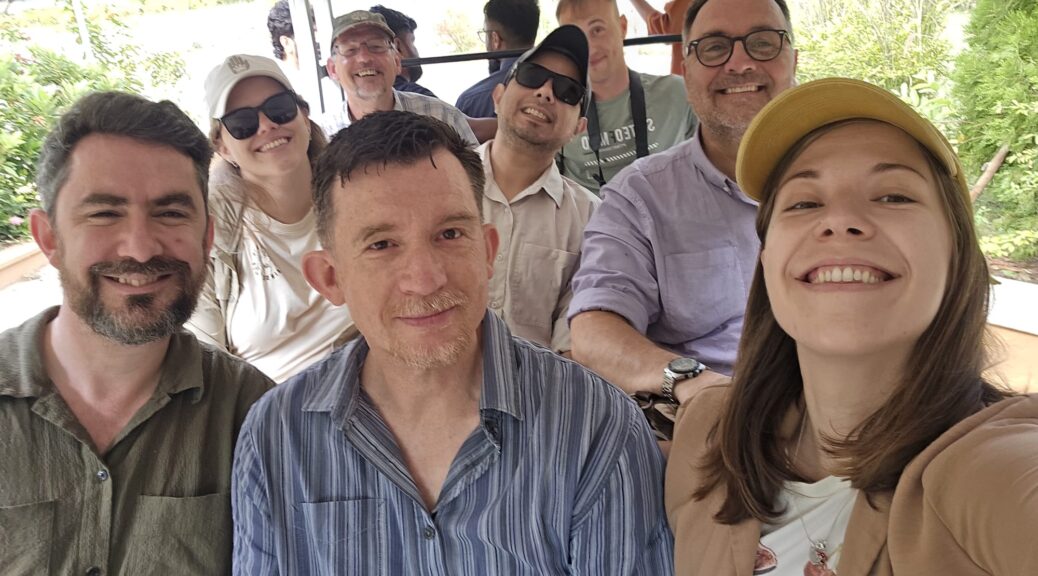
Sardar Patel Zoological Park, Ekta Nagar, was chosen to pilot the Indian Professional Competency Framework for Zoos & Wildlife Care developed by Daniel O’Loughlin and Life Science Education Trust LSeT. It was an honour to be part of an international team [UK, Ireland (via Netherlands), Czech Republic, Mexico (via UAE)] spending a week at the site delivering training sessions and supporting the zoo in its drive to high standards.
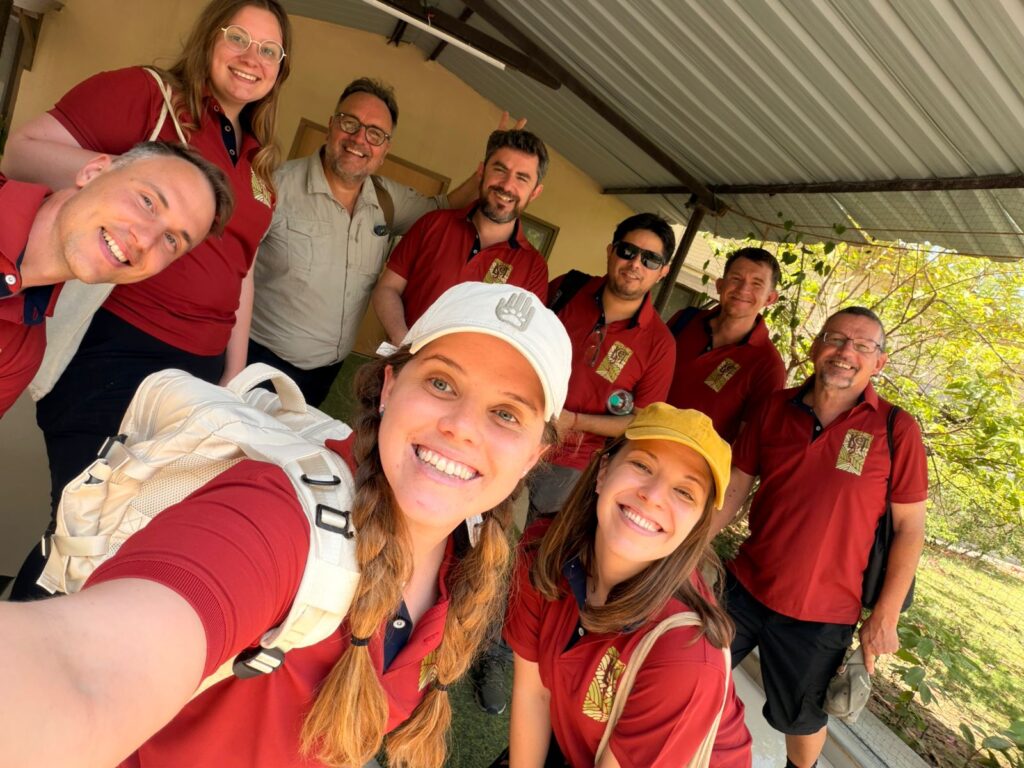
SPZP is a new zoo, inaugurated in 2020 as ‘Jungle Safari’. The zoo has some excellent habitats for a diversity of species from lion to Indian rhino and crocodiles to cobras. Although the aviaries are also of particular note. The staff team are dedicated and committed to good standards of animal care and improvement. So the competency framework provides a good model for standardisation and recognition.
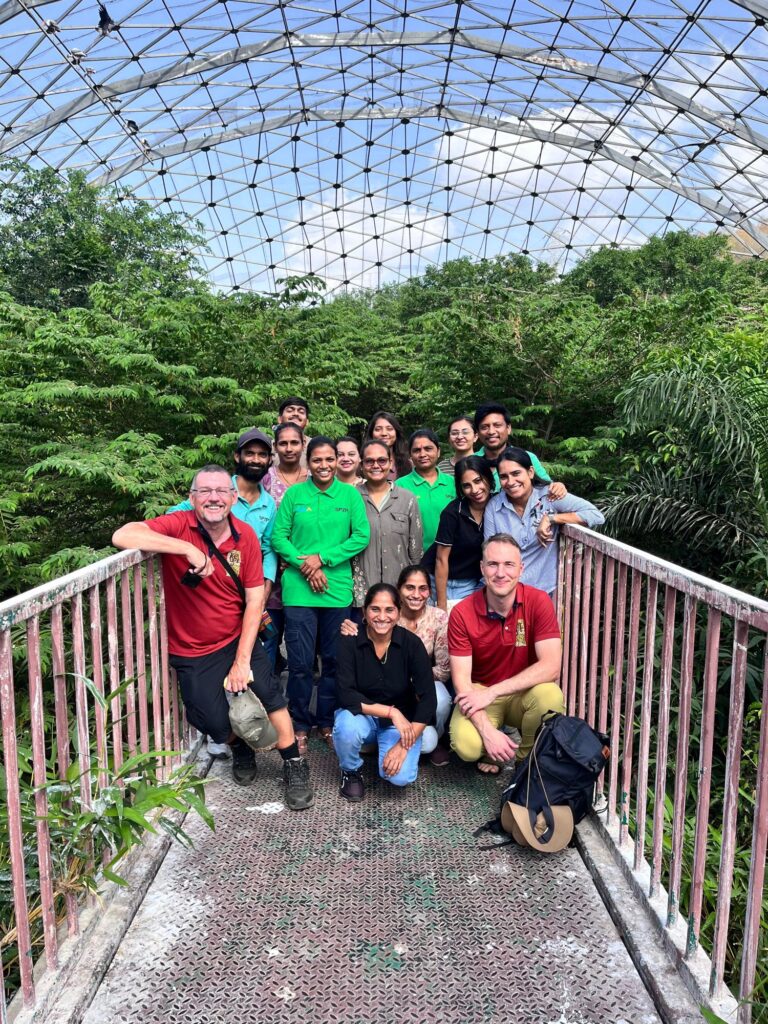
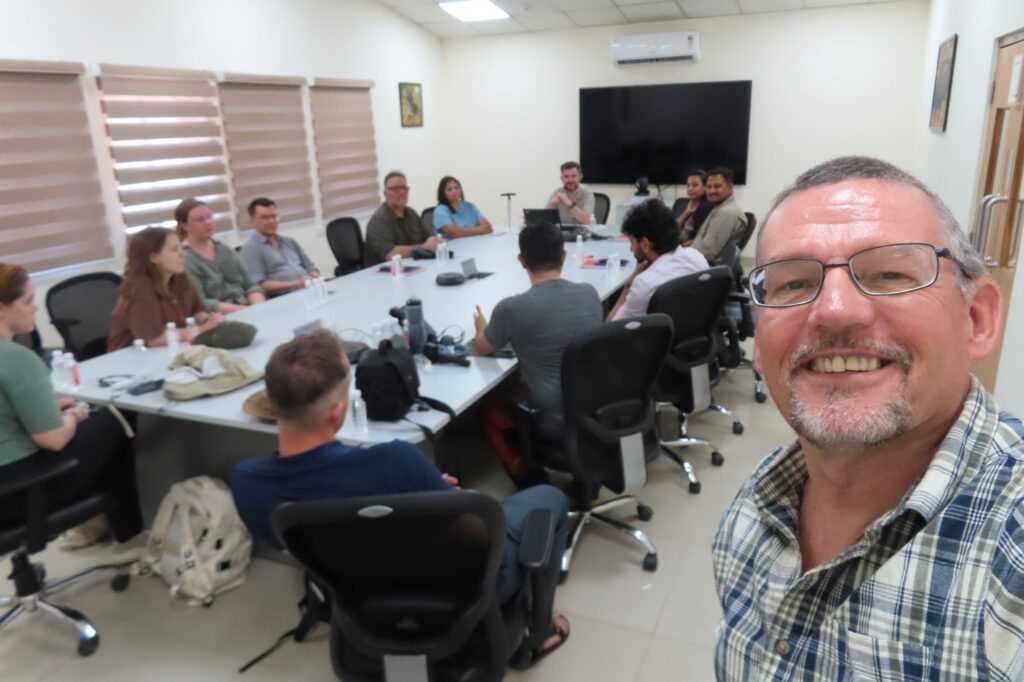
Our work involved mornings out on site with review of the different sections and delivery of training / support with ideas to the keeper team and afternoons working with the ‘supervisor’ team and managers on specific focused topics including safety, training, communications.
The work with SPZP continues and a follow up visit (Daniel with one or two others) to assess the progress against the standards will be made later in the year. The Competency Framework will then hopefully be used by LSeT in other Indian zoos.
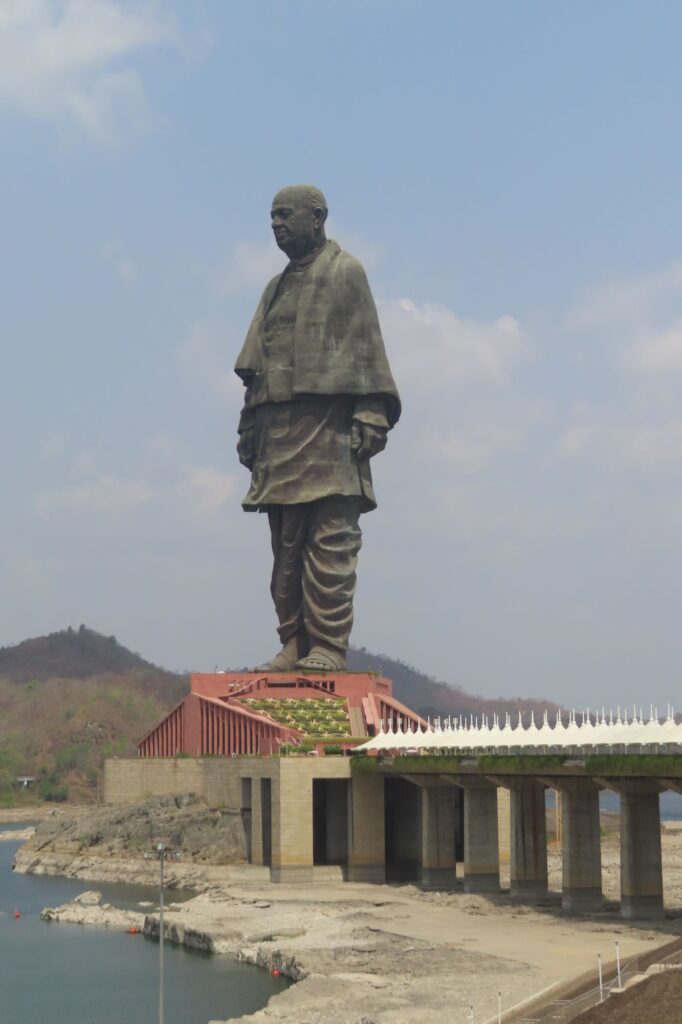
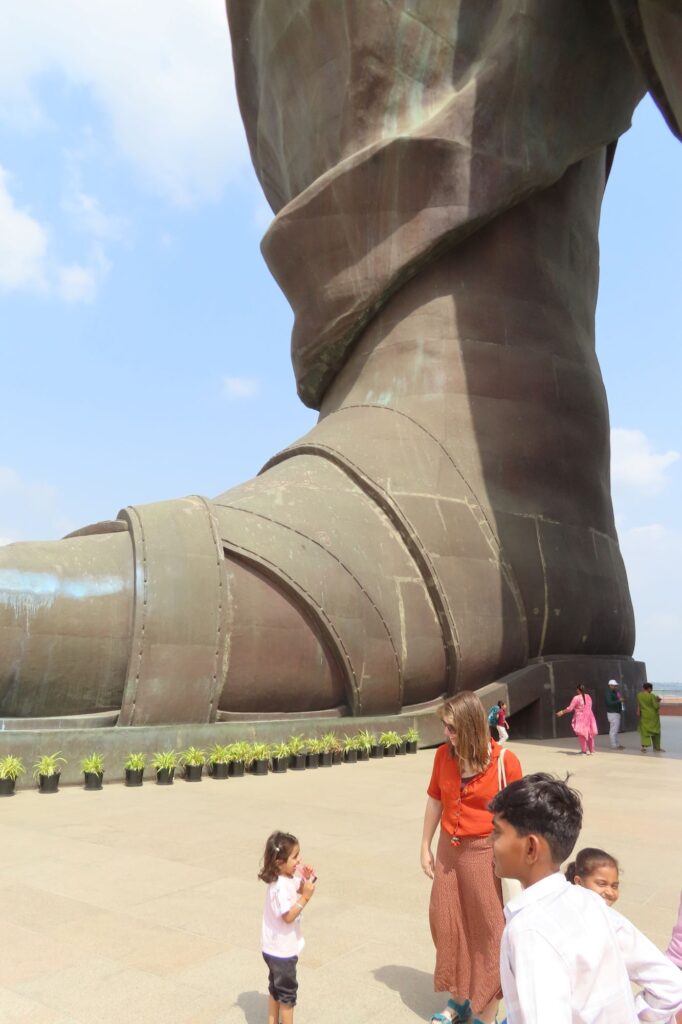
Near the zoo is the world’s largest statue at 182m tall – the Statue of Unity commemorates Vallabhbhai Patel (1875-1950) an independence activist, friend and contemporary of Gandhi, who served as India’s first deputy prime minister.
The statue is truly impressive and you can go up by elevator to ‘chest height’ for a good view of the surroundings including the hydo-electric dam on the Narmada River. As westerners we were actually an ‘added attraction’ with several requests for photos.