Category Archives: Uncategorized

ZooStephen 2016 – 2026 : 10th anniversary

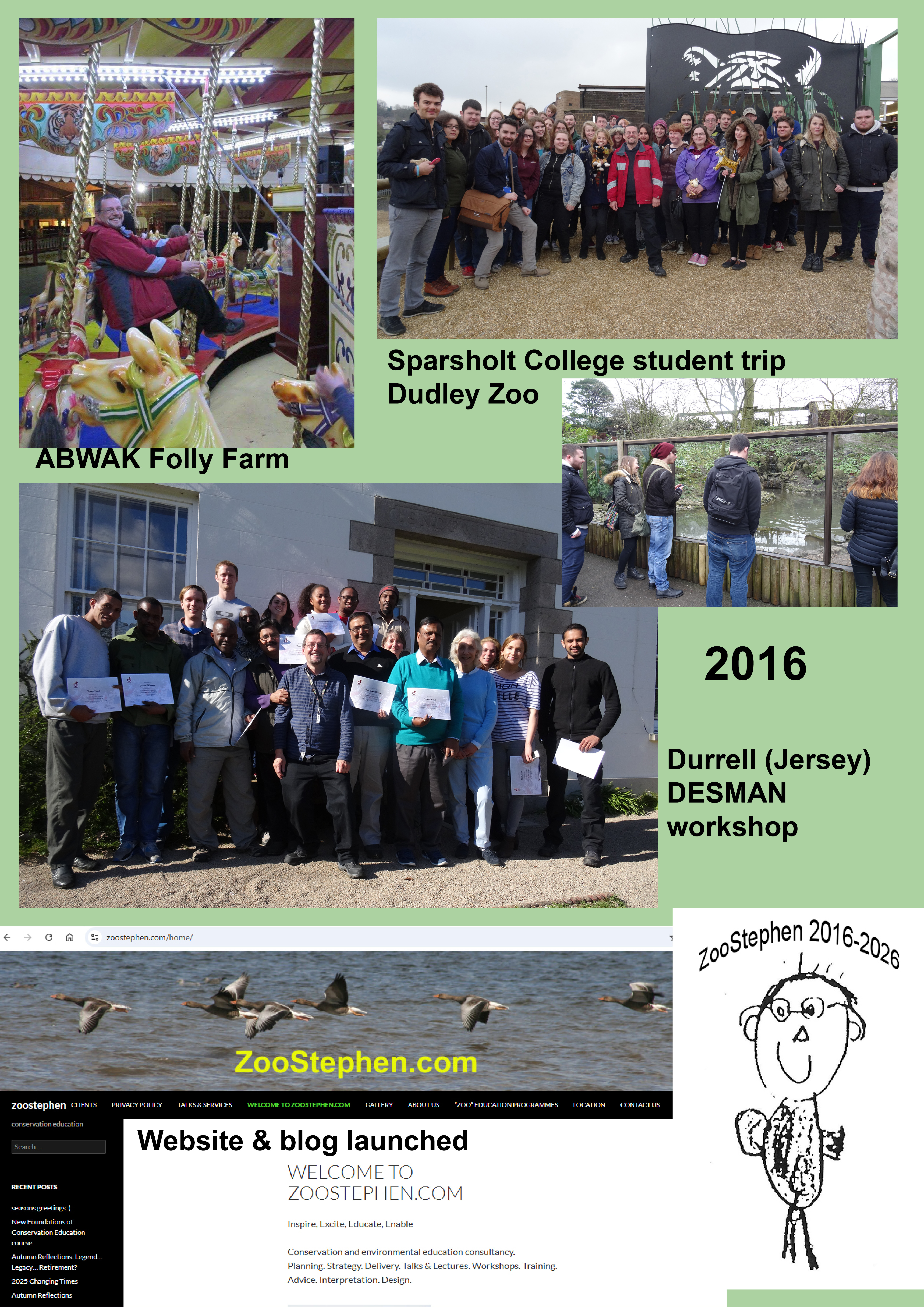
10 years ago I took the step of becoming self-employed and established ‘ZooStephen.com’. It has been an interesting decade with ups and downs, challenges and wonderful experiences. At the heart of this I have succeeded to some degree and my 10 years of activity has largely been a product of the connections made in the previous 3 decades and taking advantage of ‘lucky’ occurrences and opportunities.

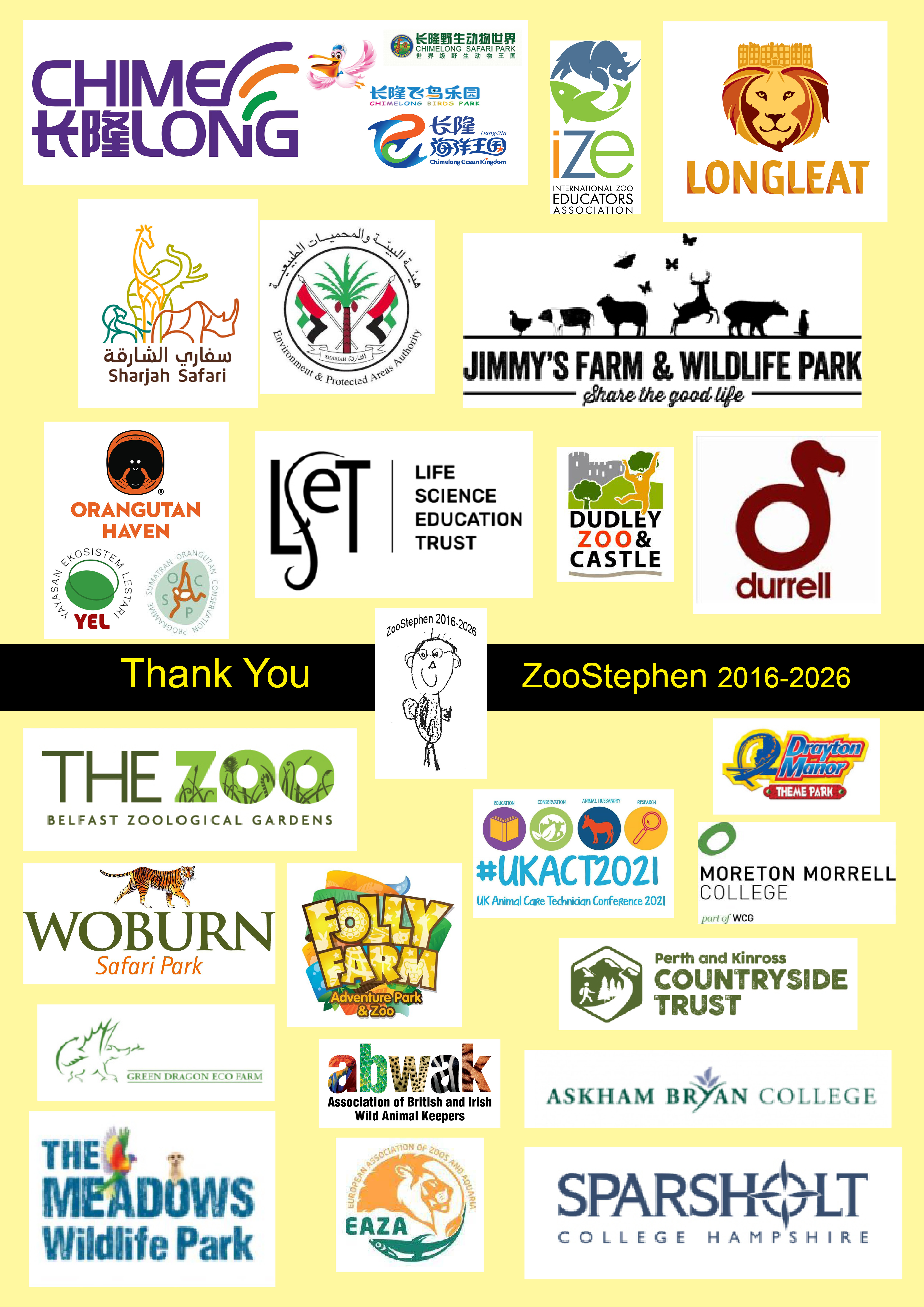
This blog is in part to thank all those who have helped me along the way but also to acknowledge some of the reality and challenges. ZooStephen is not finished yet, however I will continue to be realistic in what is my gradual journey to ‘retirement’.
Throughout my career I especially enjoyed learning from and supporting others and being involved in the zoo education community and more. I was fortunate that my first ‘zoo boss’ Malcolm Whitehead allowed freedom and innovation – something I tried to incorporate in my working life, although at times this challenged other people’s ideas and ways of working – and I certainly wasn’t always in the right.
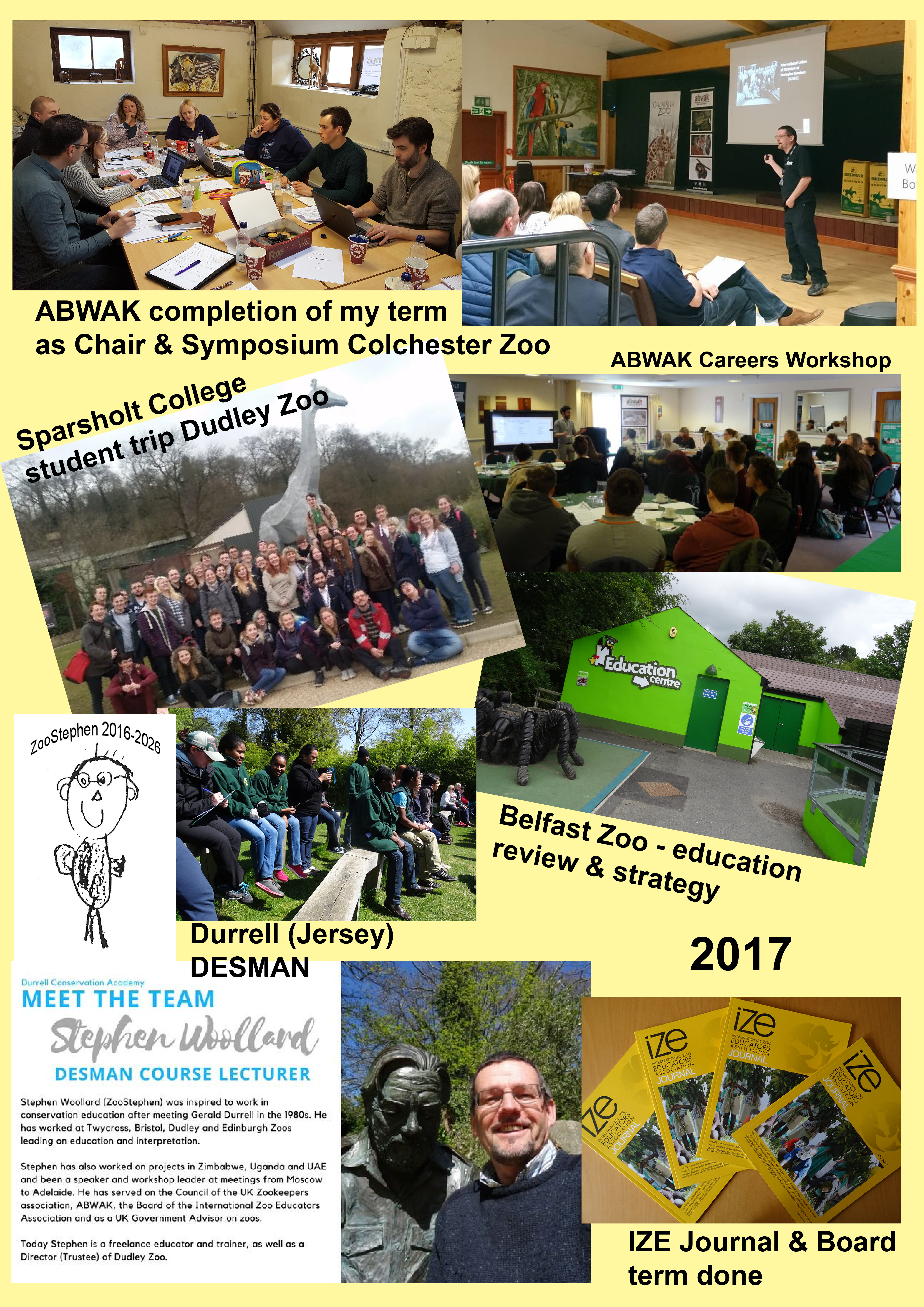
ZooStephen came about through circumstance of leaving full-time work (not the right fit) and a need to pay bills… I applied for various roles and was ‘2nd choice’ a couple of times and was offered an environmental education job out of the zoo industry but the salary meant I couldn’t afford to move to it. So in the first 12-18 months my focus was ‘survival’ and what next? This actually enabled me to rethink and by moving (back to Scotland) I was able to buy a ‘cheap’ house and give myself the freedom of no mortgage or rent – and that was probably the most significant decision to how these last years have panned out.
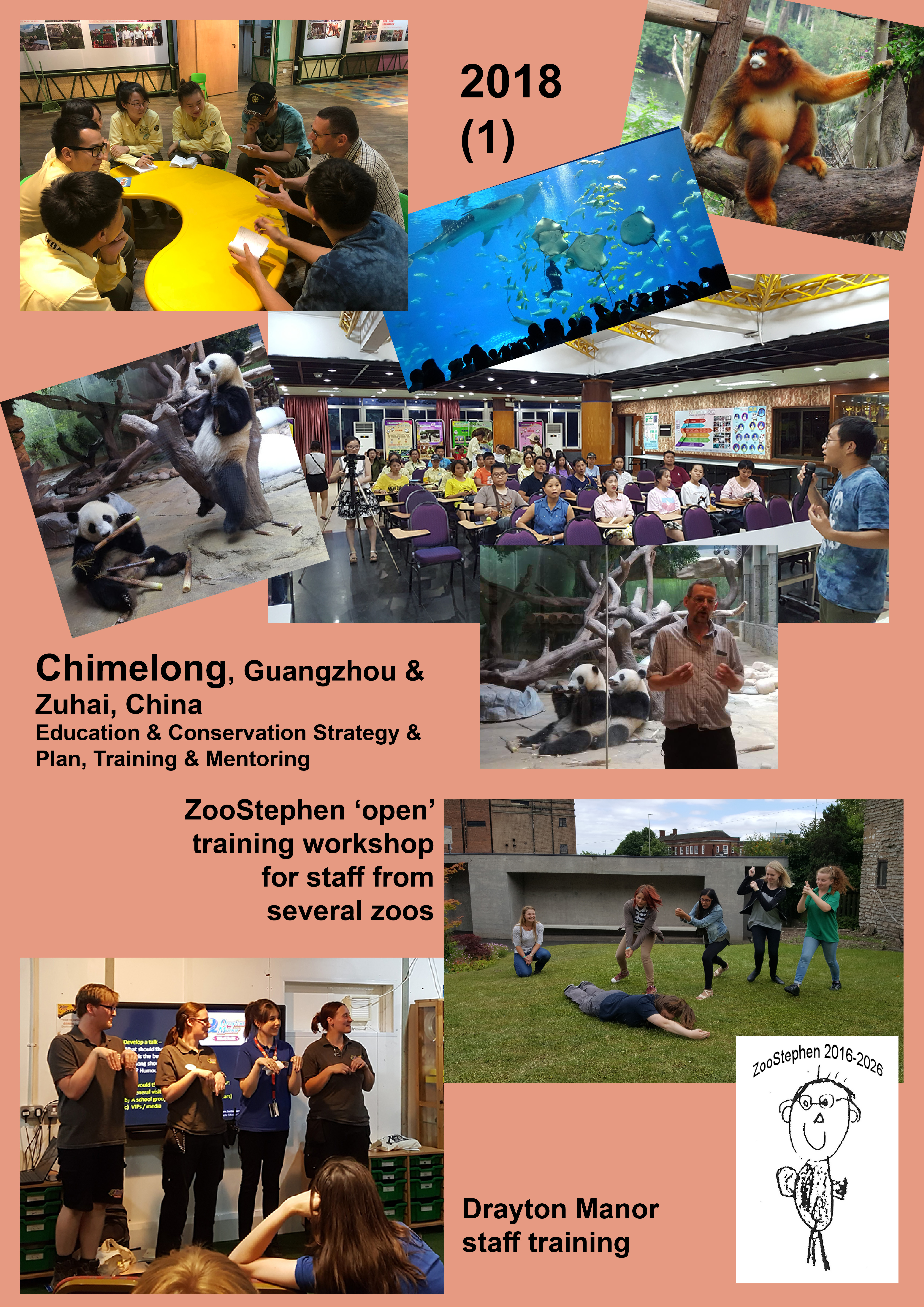
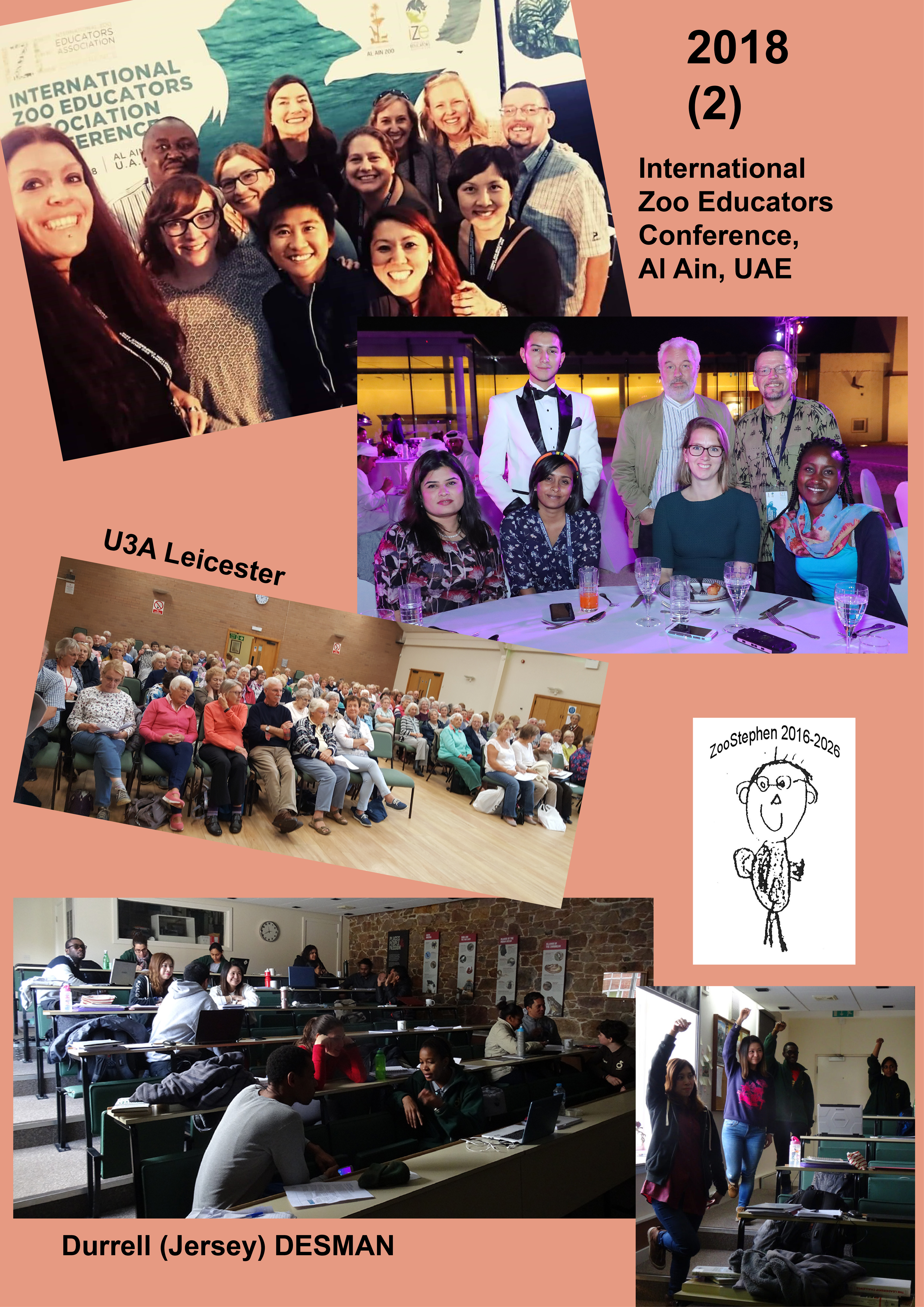
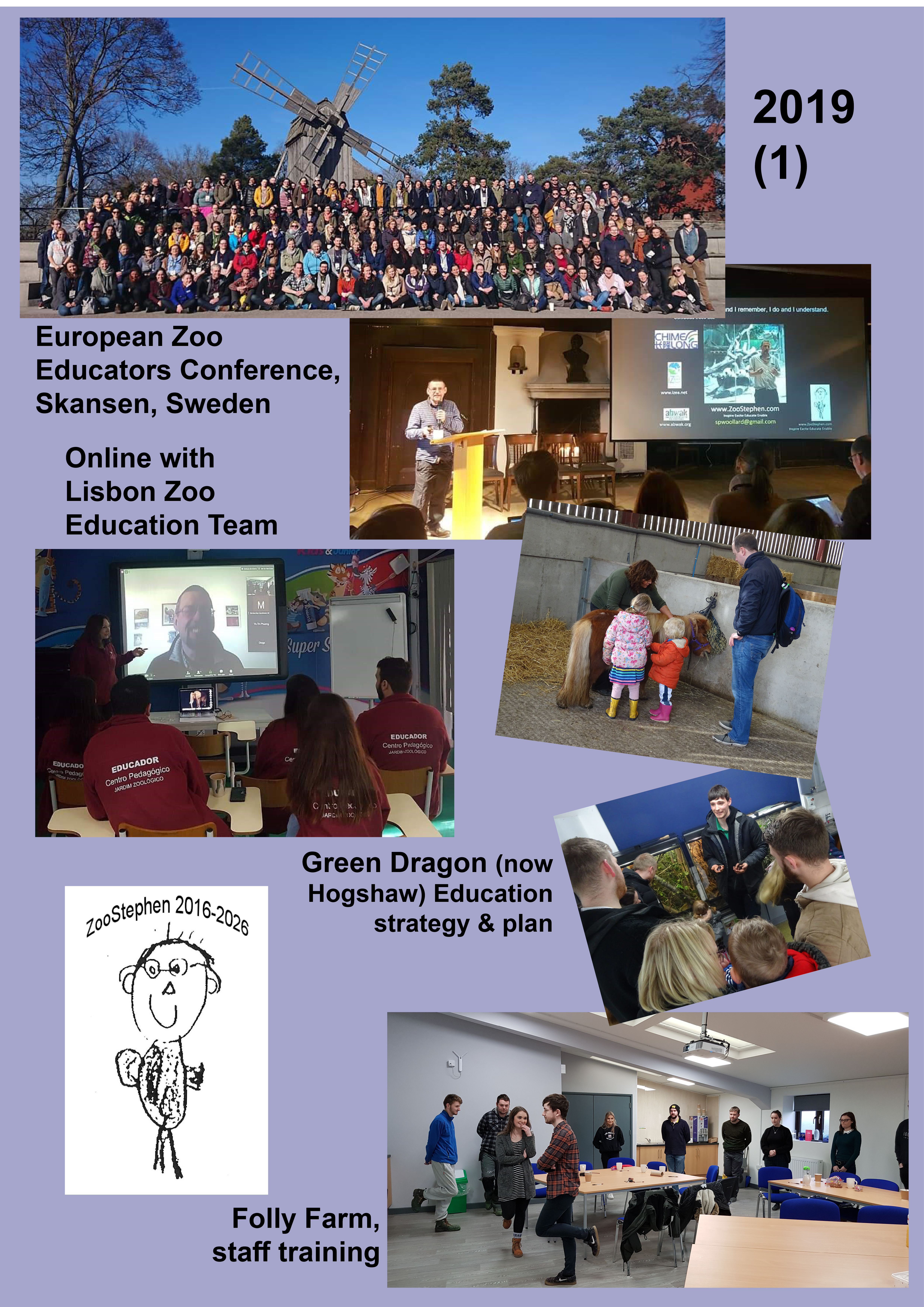
Early opportunities to shape my ‘training’ provision and ways of working came through friends Daniel, Maggie, Tim & Darren with respectively work for Sparsholt, Durrell, Folly Farm and Longleat. I also discovered (as suspected) that there isn’t much money in this field and if I wanted to earn a living wage it would be a lot of work. However, these experiences were fun and appreciated and form the backbone of my ‘training’ role still.
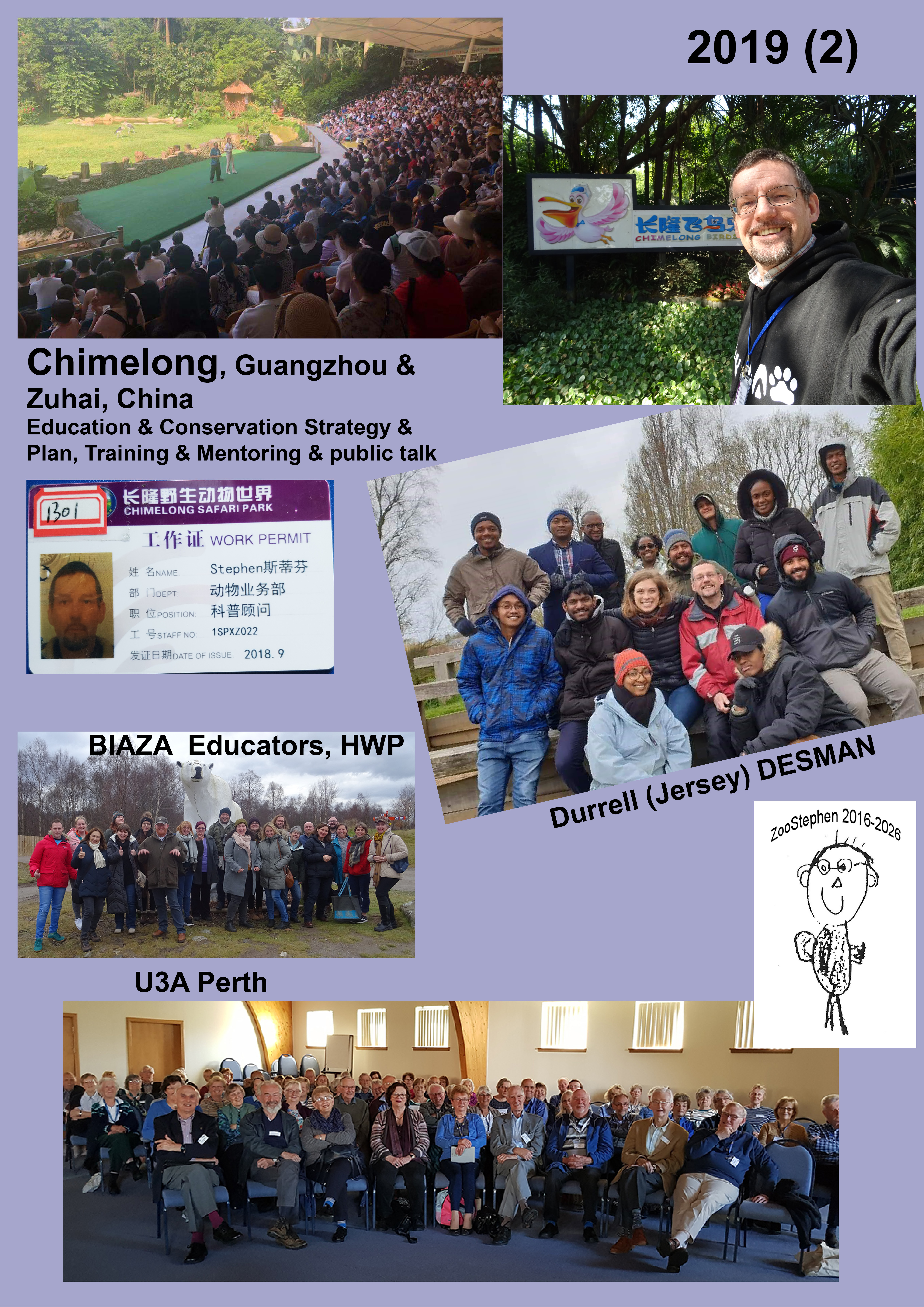
Opportunities to support strategy and education plans as well as training came primarily after my experience heading up Discovery & Learning at RZSS (2005-15) and I was able to apply this experience to help Belfast Zoo review and develop their education provision. Later this type of work enabled wonderful opportunities abroad – for Chimelong Group in China, EPAA Sharjah Safari in UAE and remote support for Orangutan Haven, Indonesia.

Visiting China and the Emirates was both enjoyable and stressful but afforded great opportunities and experiences and work with some lovely people. Whilst these were well resourced ‘wealthy’ organisations the reality of being a ‘expert’ sub-contract meant I did a lot of work for the relatively small number of paid days and accepted that my influence was limited but ideas and opinion welcomed.
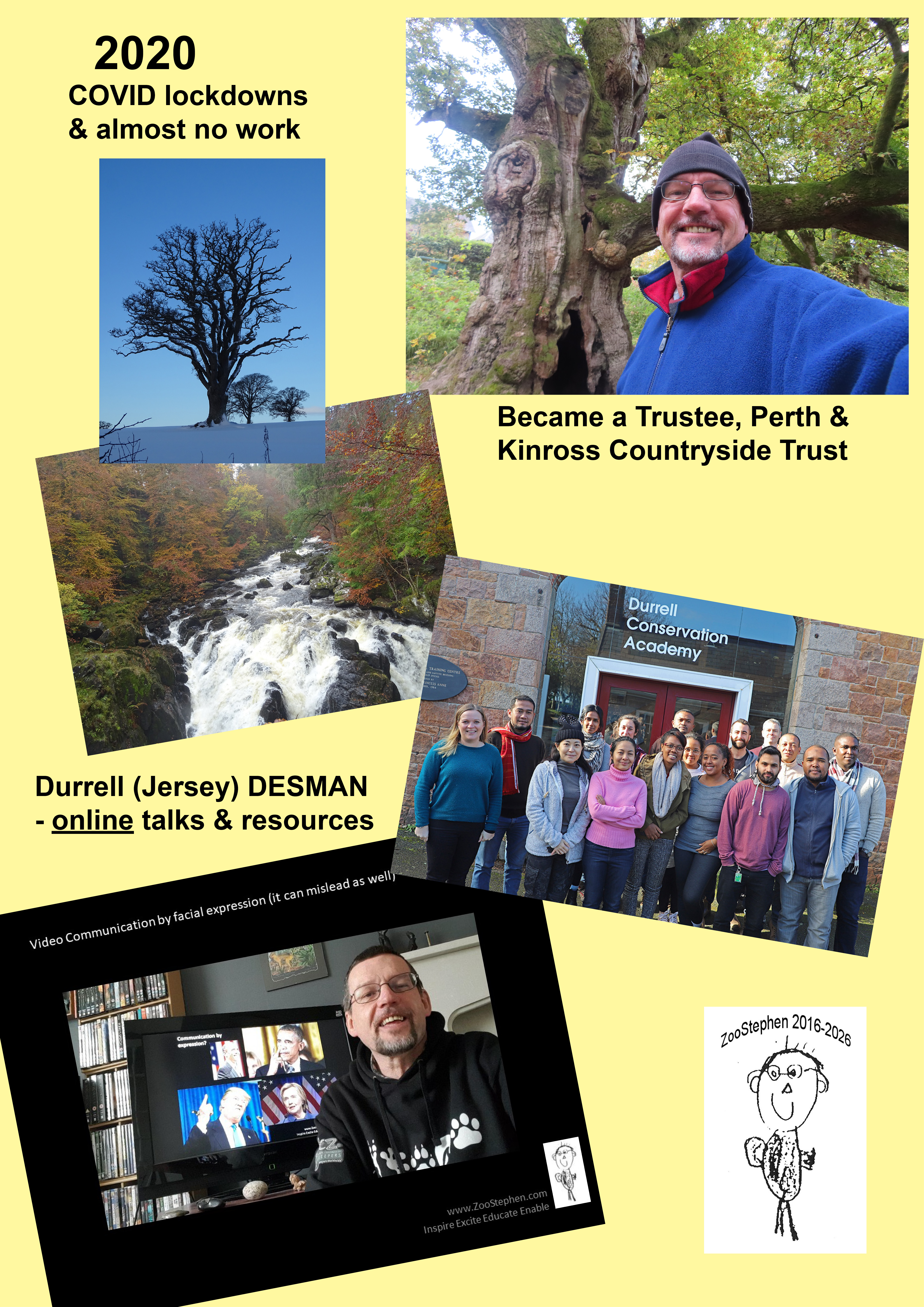
I did not anticipate that my December 2019 visit to Guangzhou would be my last… we were all caught off guard by the arrival of COVID-19. The impact was devastating for some. For me it was not only the loss of visits to China but suspension of face to face workshops and no income for a year! Thankfully I had savings. (The government support grant for me as a recent self-employed person was only a few hundred pounds. I don’t think many employees who were furloughed understood just how well off they were).

2020 and into 2021 therefore brought another pause and re-think and greater focus on what was important. Time with family, enjoyment of the outdoors and Scotland in particular took centre stage, whilst I took the attitude of take advantage of opportunities if I wanted to. It was a good time to volunteer and become a Trustee of Perth & Kinross Countryside Trust, help them develop a discovery & engagement role, and subsequently to take on being the Trust’s Chair. Latterly this has taken up a lot of my time and focus even though it is all unpaid.
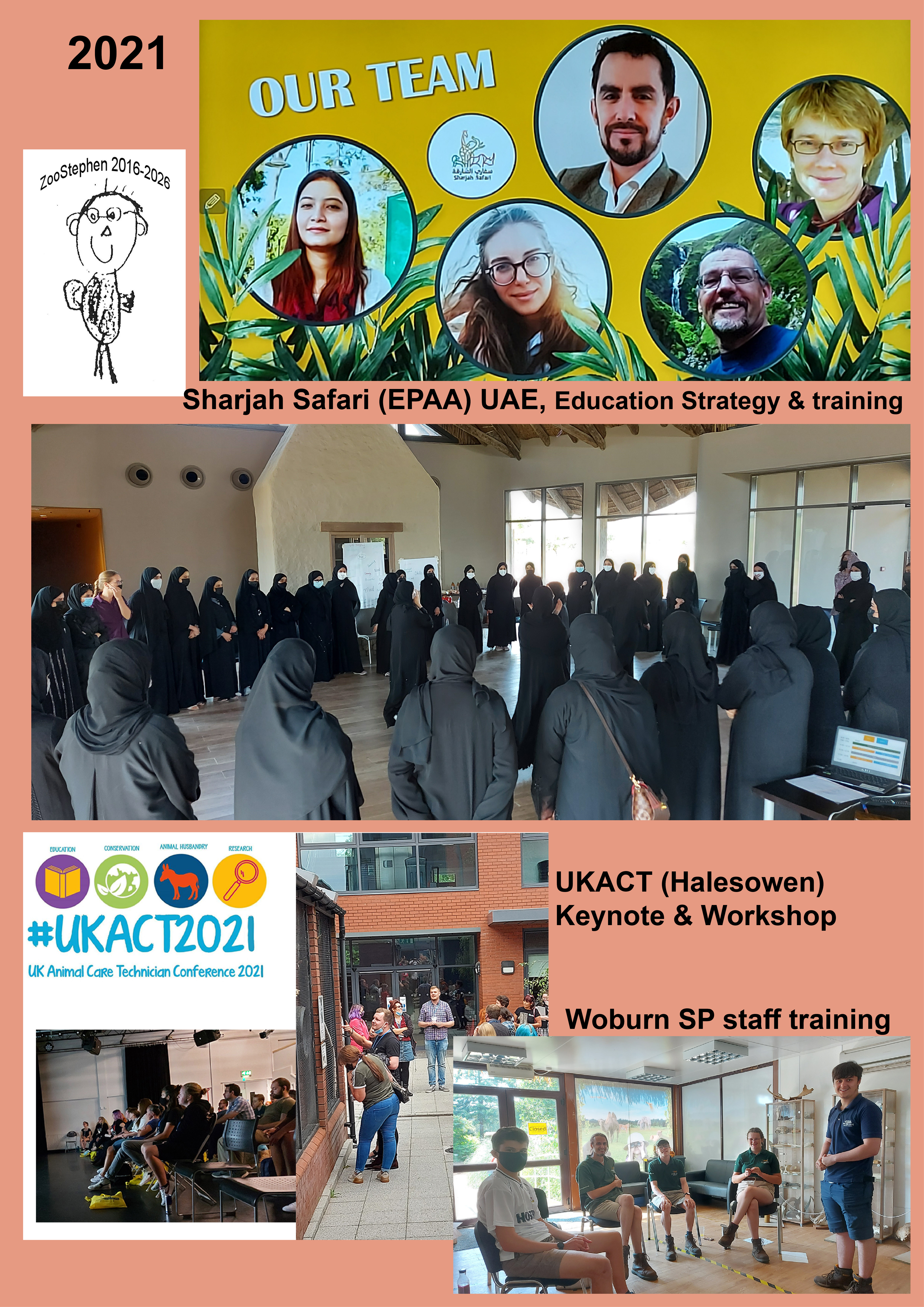
A few zoos and colleges asked for workshops and advice which continued. By chance I was invited to comment upon educational development for Orangutan Haven by SOCP & YEL in Indonesia which led to some remote work. It would of course have been great to go out there. Covid restrictions limited opportunity for some time, however, it was also clear a lot of skills were there already. Whereas helping with the educational development at the brand-new Sharjah Safari was much better achieved with on-site support and working with the team.
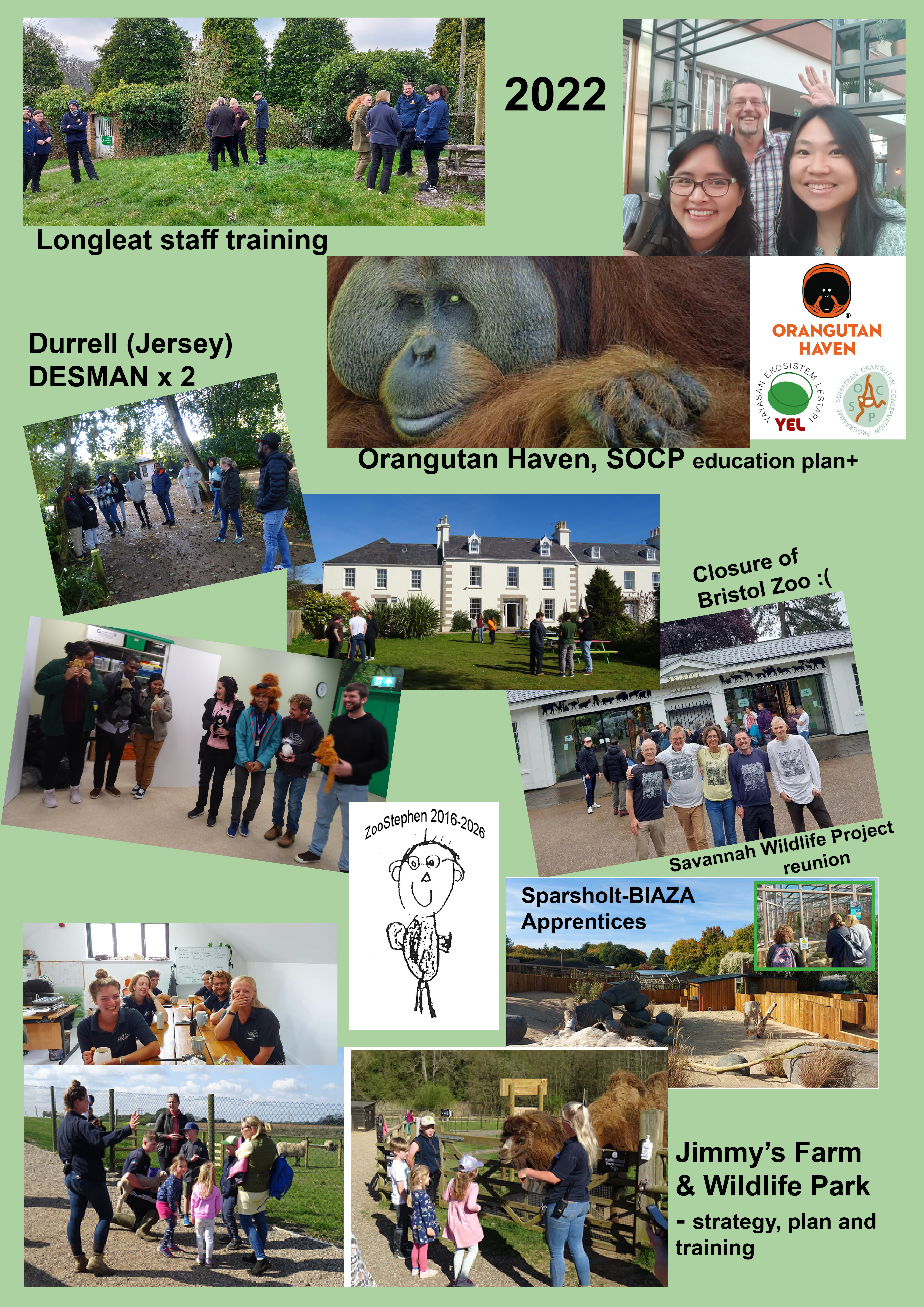
I remain connected to the zoo community, albeit more remotely and infrequently than in the past. However, it has been lovely to engage via the International Zoo Educators association (and conference in UAE), ABWAK and the annual symposia – speaking at some; and the EAZA educators meetings at Skansen, Sweden and Chester UK. It has also been an honour to be at the inauguration of the UK Animal Care Technicians conference UKACT as keynote speaker (and workshop) and speak at the innovative 1st (and 2nd) Keeperfest at Jimmy’s Farm & Wildlife Park.
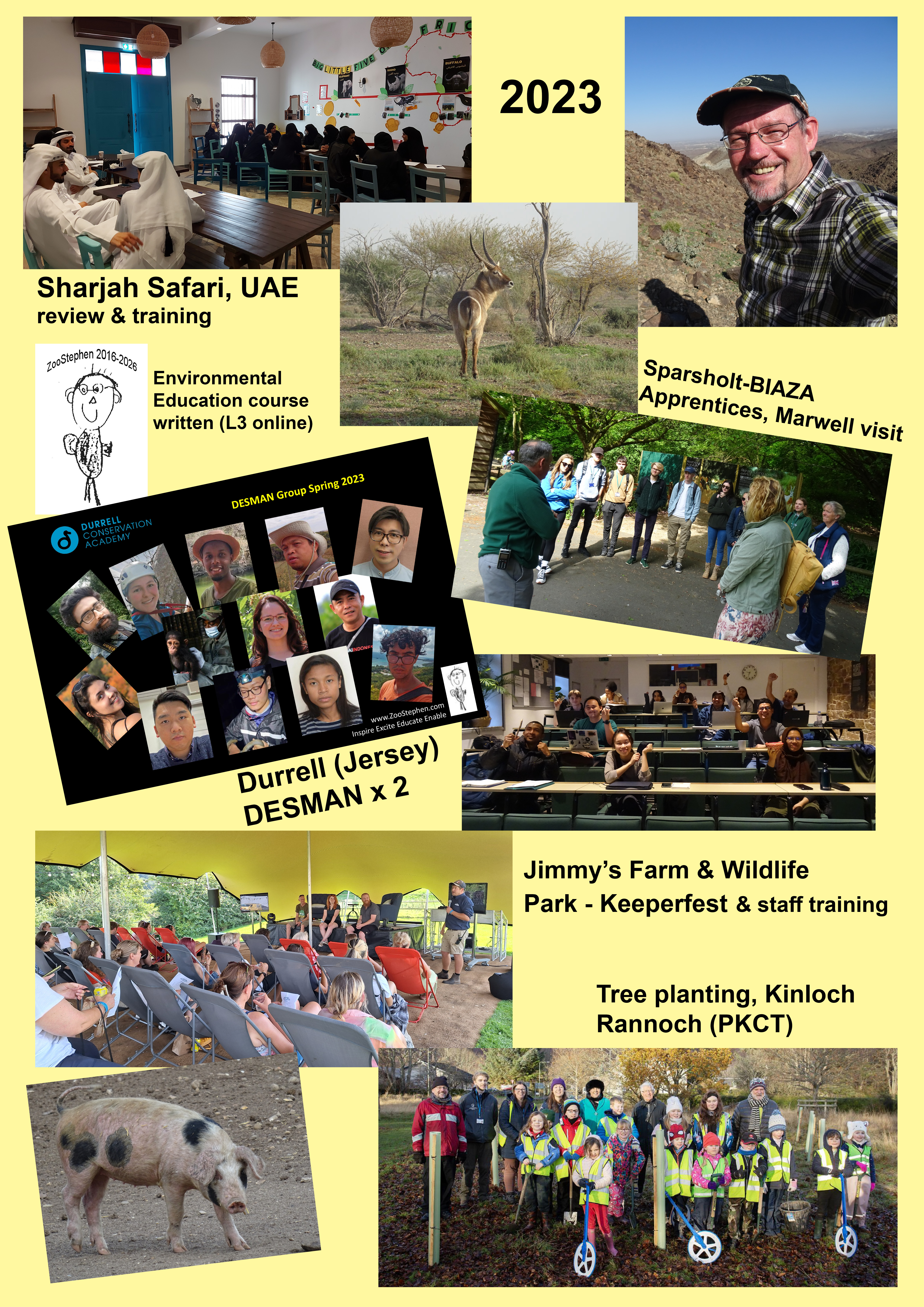
JFWP is certainly one of the zoos to watch over the coming years. It has been great to support them with education strategy, programme and plans as well as staff training, whilst seeing significant expansion in the Park’s operation and profile. The Meadows Wildlife Park in South Wales also provided another opportunity to work with a farm park (with some exotics) and help them with conservation and education requirements.
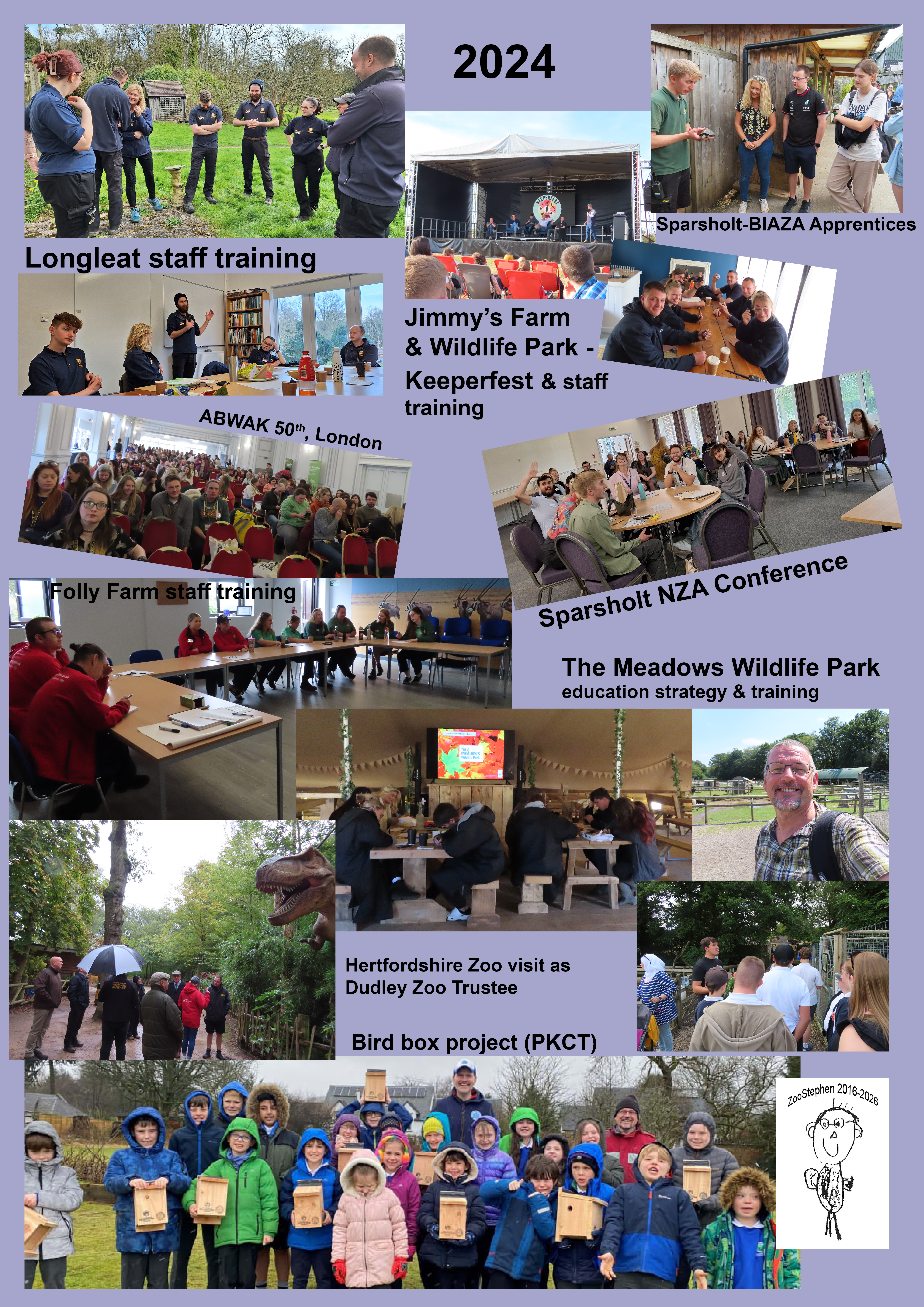
The last few years have seen more difficult times. The demand for training and development is limited, and budgets tight. I have taken advantage of a few opportunities but my focus and priorities have also been more personal with family deaths. I also have the luxury of learning from covid-year that I can survive on very little. One of the things that has been of great help is my association with Sparsholt College and the UK zookeepers course since it started with them. The small amount of marking I do is enough to pay for council tax and heating every year.

Towards the end of 2025 and as we move into 2026 a new opportunity has arisen, thanks largely to my friend Daniel, with the Life Science Education Trust from India to support the training and development of zoo staff from India, SE Asia and ultimately further afield. So far producing a suite of ‘online’ learning materials in an educators course, keepers course and a free webinar. This year also sees running a workshop at the ABWAK Symposium at Drayton Manor and another in Helsingborg for Swedish zoo staff in April.
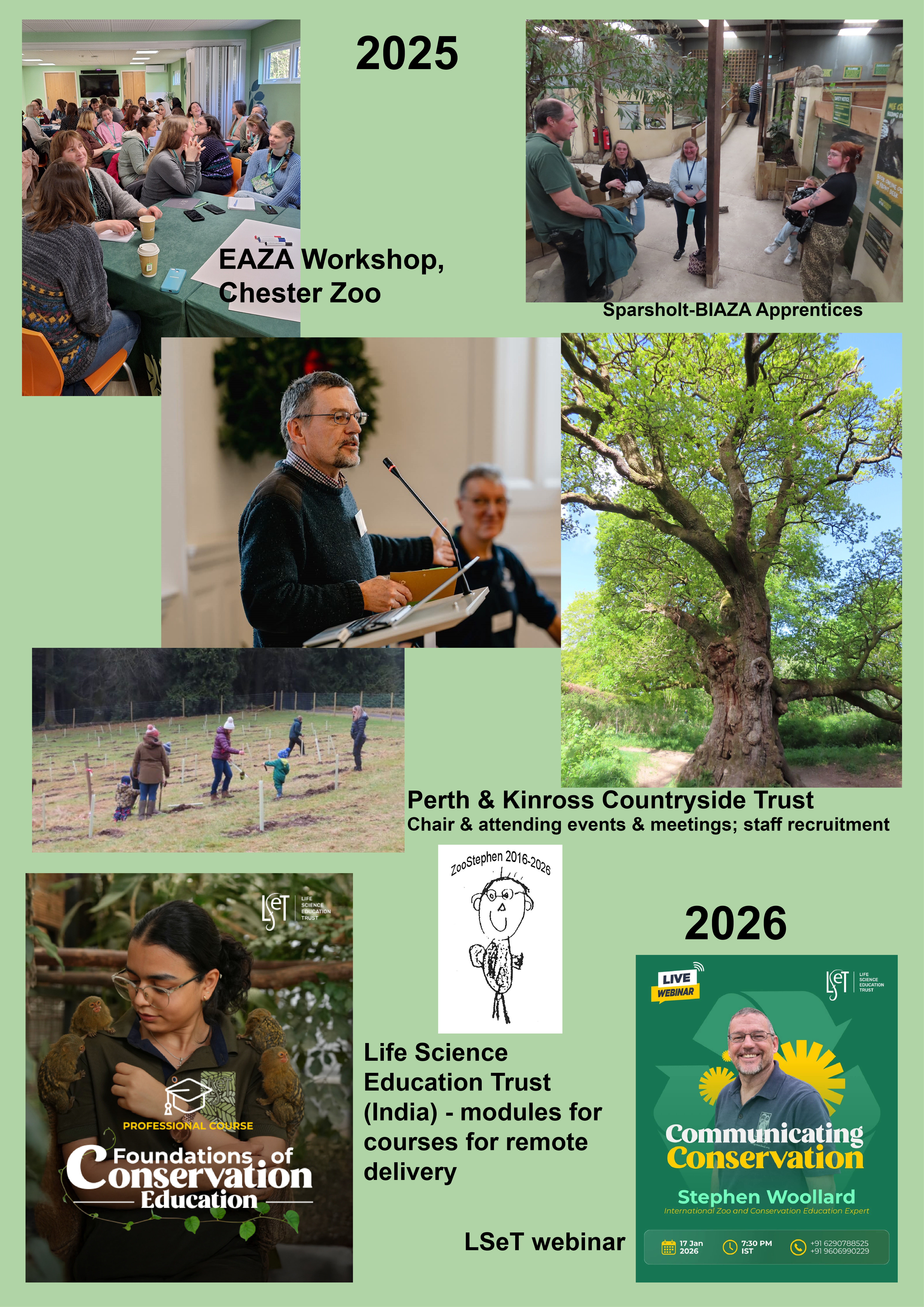
So these 10 years have been interesting and largely enjoyable. However, for any thinking this may be what you want to do it will only work if either you have the skills, contacts and energy to work at it and do a lot more or like me can live off savings and use the work to supplement ‘life’,

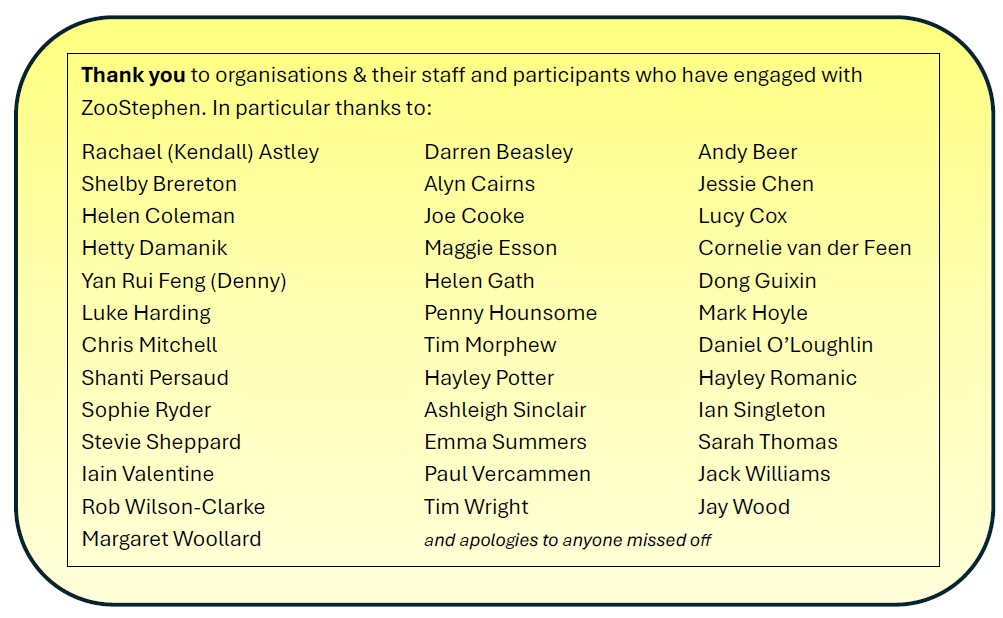
A big thank you to everyone that has supported and helped me. The ZooStephen story continues….
seasons greetings :)

Thank you to clients and all for your support during 2025. Wishing everyone all the best for the season and good fortune in 2026.

I have not sent Christmas cards this year. Instead I have made a donation to St Giles Hospice (Staffordshire) “Light up a Life” virtual tree in memory of Mum & Dad.

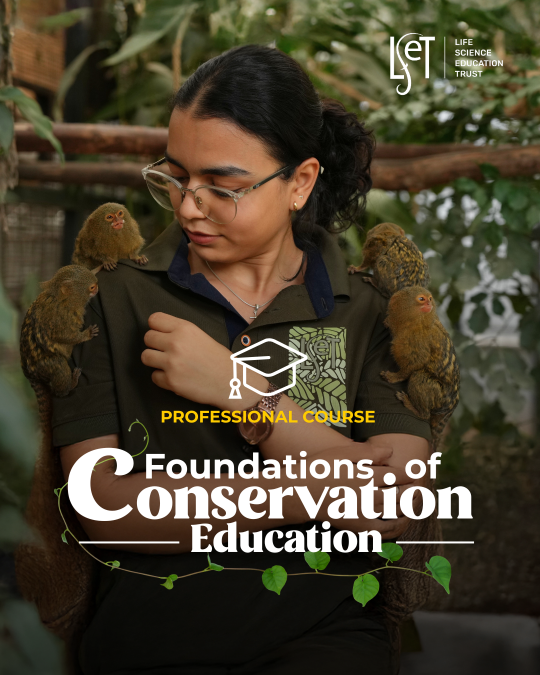
New Foundations of Conservation Education course

One of the collaborative projects I have been working on in the last few months is “going live” for full trial. Working with Life Science Education Trust – based in India – and with & for Daniel O’Loughlin (a former employee and colleague who I also worked with in Sharjah alongside Sofiia from Ukraine).

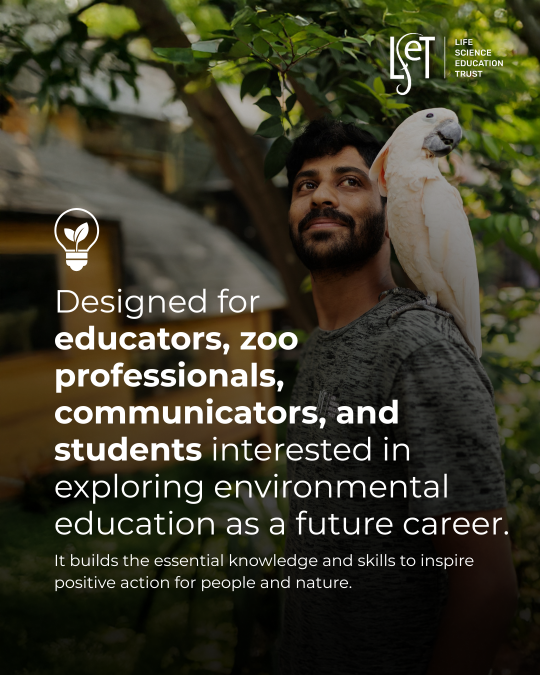
Our Foundations of Conservation Education course provides a gateway into the world of environmental and conservation education. Designed for educators, zoo professionals and students interested in exploring environmental education as a future career, it builds the essential knowledge and skills to inspire positive action for people and nature.

Sign up copy link: https://forms.gle/XK4eZFXHEJ5pXAa7A

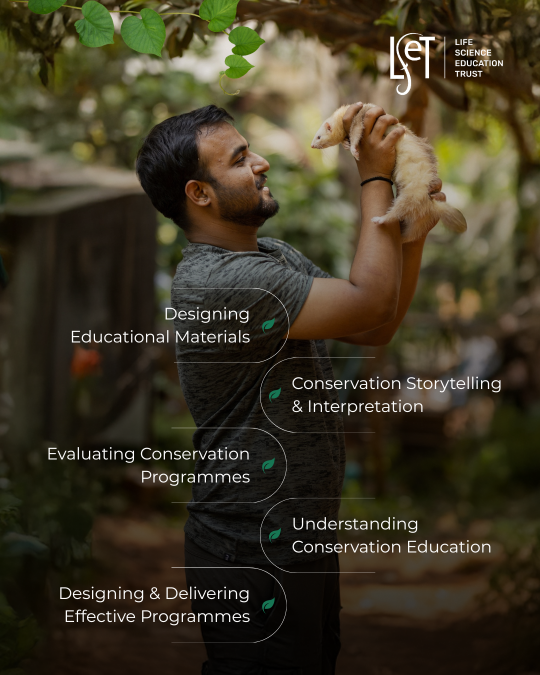
The course explores key themes across 5 units:
1. Understanding Conservation Education
2. Designing & Delivering Effective Programmes
3. Conservation Storytelling & Interpretation
4. Designing Education Materials
5. Evaluating Conservation Programmes

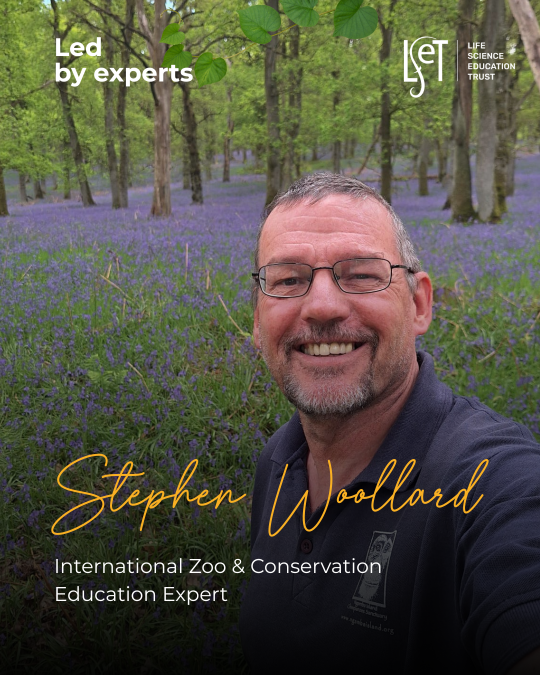
The course is taught by Daniel O’Loughlin, Stephen Woollard, Sofiia Pyshnieva & guest speaker Sophy Hughes in recorded lessons. Available online and the first 100 sign ups are free to trial the course and review it. Then it will be launched for all at a very low fee.

Sharing experience and expertise

July saw the first in-person National Zoo Academy Conference at Sparsholt College. (The first such meeting was held online last year). This was a great opportunity for students/graduates and invited guests to share expertise and knowledge and celebrate achievement in the field of animal management and ‘zookeeping’.

I was honoured to be an invited guest for the day and to deliver a keynote talk on reflections upon my career and embracing change over the years. From black and white TV and plugged in phones, through cassette tapes to digital technology, computers and smartphones. However, communication and animal care remain ‘real hands-on’ activities, that have also advanced and developed over the years.

It was great to listen to the short research reports – DMZAA & degree graduates showing the benefits of combining both practical experience and qualifications in zookeeping. The DMZAA course was largely developed by Andy Beer at Sparsholt 20+ years ago – who attended to give a short history – utilising the Certificate in Animal Management C&G course (previously a National Extension College course) that was developed by ABWAK, the Federation of Zoos (now BIAZA) and others in the 1980s. Today the course has a strong ‘volunteer’ version CMZAAV and has overseas ‘international’ graduates too. It also was used as the Foundation of the Zoo Apprenticeship programme and was a key contributor to and benchmark of the EAZA European Professional Zookeeper Qualification Framework.

Zookeeping often brings to mind the large traditional zoo, however, many keepers work in the diversity of smaller collection across the country. So in July, I was pleased to help The Meadows Wildlife Park, Caerphilly, South Wales, in developing their education and conservation roles. This park, established in 2019, has grown from a ‘farm park’ to one that now features other species, including prairie dog, kookaburra, emu, capybara, rainbow lorikeet and porcupine.

The Meadows focuses upon the visitor experience and opportunity to engage with various animals and pursuit of good welfare. The small staff team, supported by volunteers, have great enthusiasm and dedication and over time the Park should be able to make a useful contribution to both education and conservation locally as well as encourage responsible animal care and consideration for the environment.

Spring – History, Countryside & Training

The seasons change again, although we can’t rely on specific dates or equinoxes to fix these changes. Climate change is having an impact, weather patterns and an unusually wet winter are being commented upon and recognised. However, action to mitigate these changes is still slow and the subject of political position and decisions.

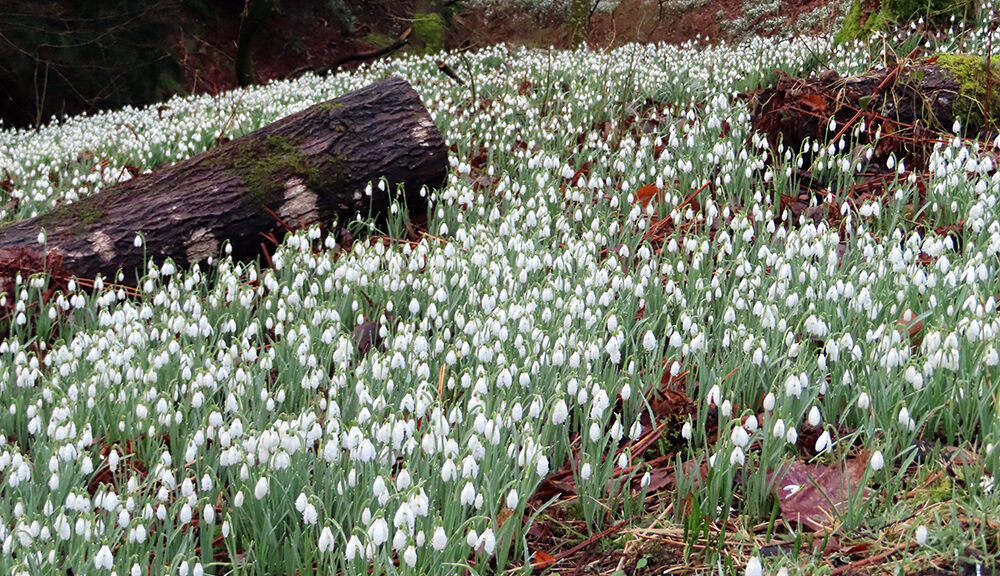
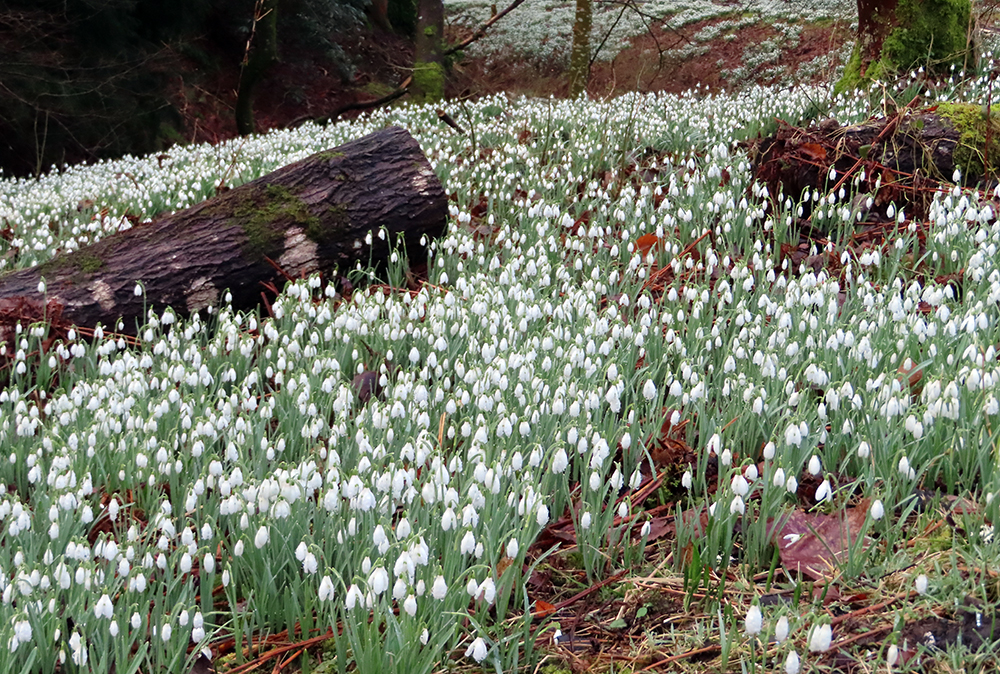
The snowdrops looked wonderful all through February with a great display as usual at Scone Palace estate near Perth. This is also the ancient crowning place of Scottish kings (including Macbeth and Robert the Bruce) – where the Stone of Scone was used before being taken by Edward I to England. It was repatriated to Edinburgh Castle in 1996. As I write this the Stone has moved from Edinburgh to its home in the new Perth Museum.

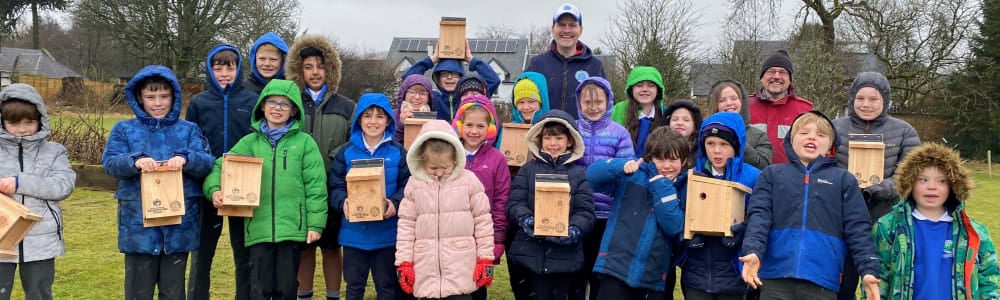
It has been another good start to the year for the Perth and Kinross Countryside Trust, that I am honoured to Chair. The River Tay Way project has a new ‘hub’ public facility in Aberfeldy. Trees planted last year and this are growing and the Perthshire Nestbox project has delivered boxes to schools across the county (Fossoway Primary illustrated), and much more. Our funders and small staff team enable us to achieve a great deal for the people and countryside of Perth & Kinross.

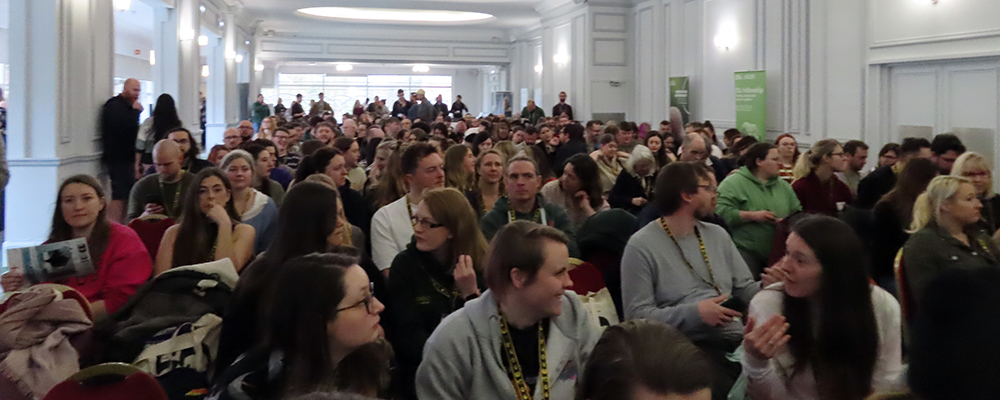
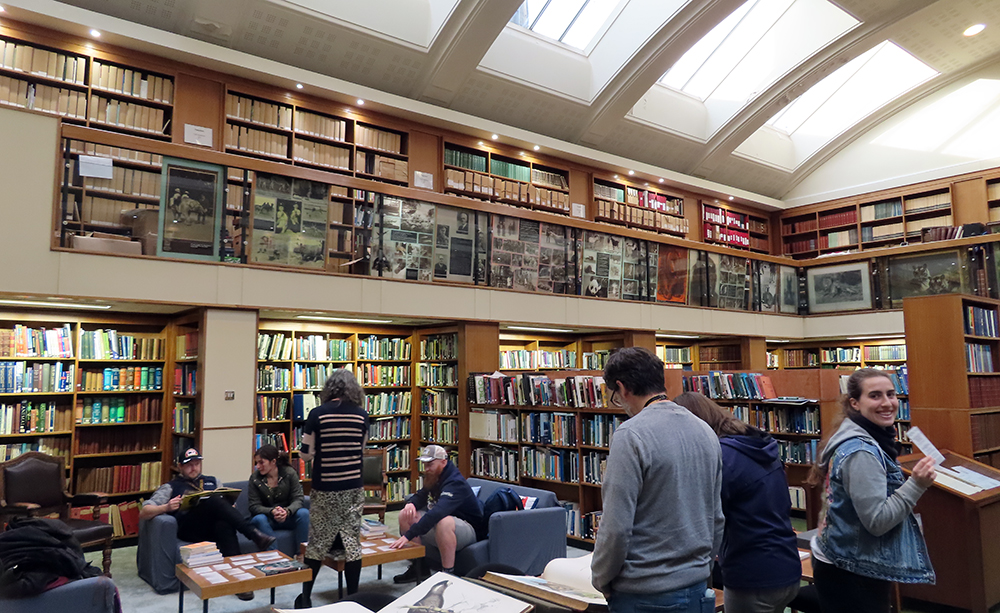
This year also marks the 50th anniversary of ABWAK, the UK zookeepers association. I have been a member since 1987 and served on Council 2003-17, and was delighted to be invited to attend and speak at the Symposium held at ZSL London Zoo at the start of March. It was made extra special with the attendance of Jon Barzdo, founder of ABWAK. History is a key feature of the Regents Park site, including the ‘Lubetkin Penguin Pool’ (made from reinforced 1930s concrete that features heavily at Dudley Zoo). The ZSL Library was also good to visit again – not least to see some of the historic books and documents, including a 1st edition of Darwin’s On the Origin of Species’.

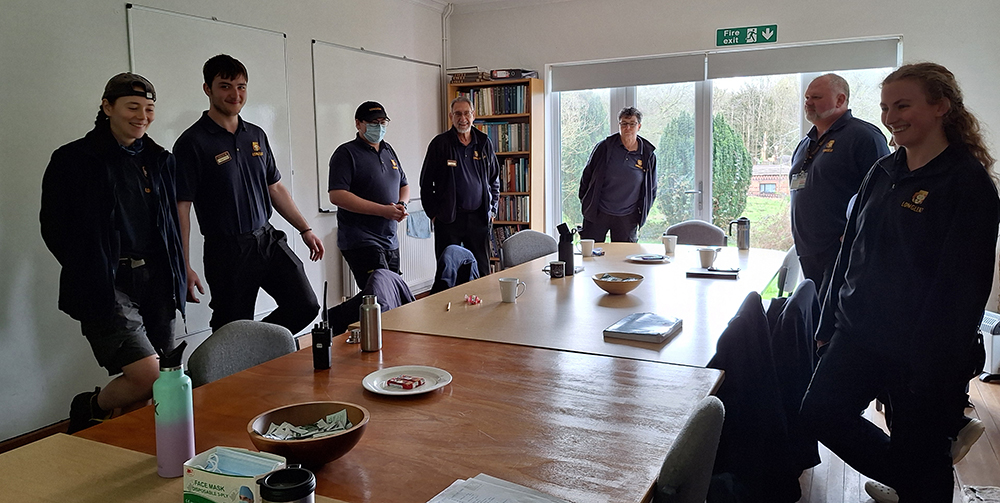
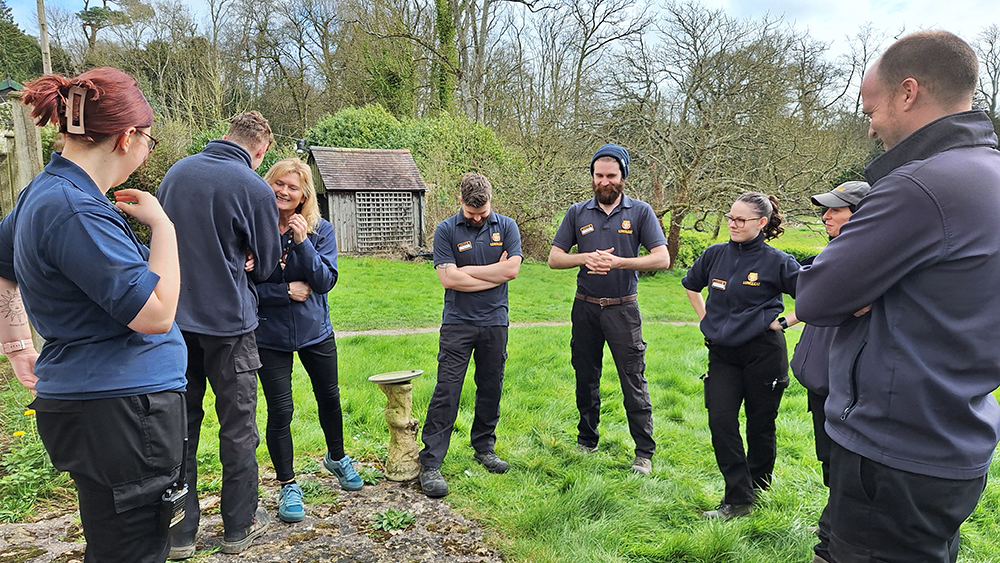
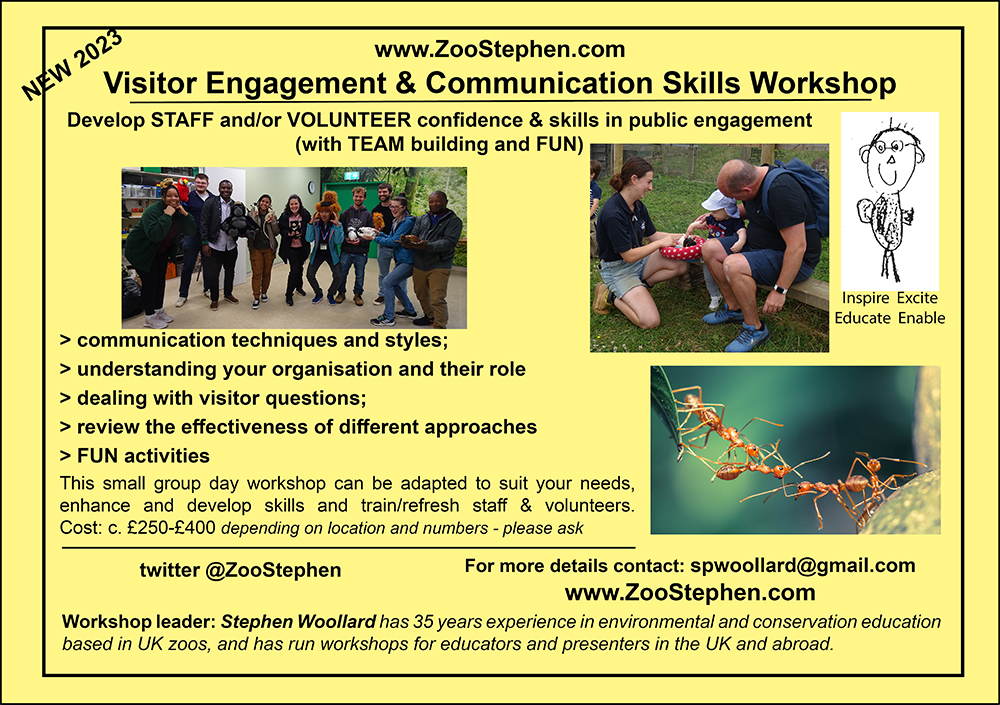
This March I was pleased to be asked to return to Longleat in Wiltshire to run my staff Communication & Presentation Skills workshops. It is always a pleasure working with the staff and team here supporting their public engagement, conservation messaging, customer care and professional development. The interactive workshop is always FUN and in the words of Darren Beasley, Head of Animal Operations:

“Longleat benefits not only from his expert knowledge but also receives a bespoke training package created on education, presentation and communication skills for our animal department gang. Those attending receive a full day of engaged learning, new skills and leave with confidence to deliver presentations to a high standard.”

This month I was also able to do a ‘guest training talk’ online to the team working with Luke Harding at Mandai Wildlife, Singapore Zoo & associated sites. It’s great that we can use technology to deliver training like this across the world. It is more effective in person and on site, however, there are benefits that can be gained from remote ‘teaching’ too.

Just one tree…

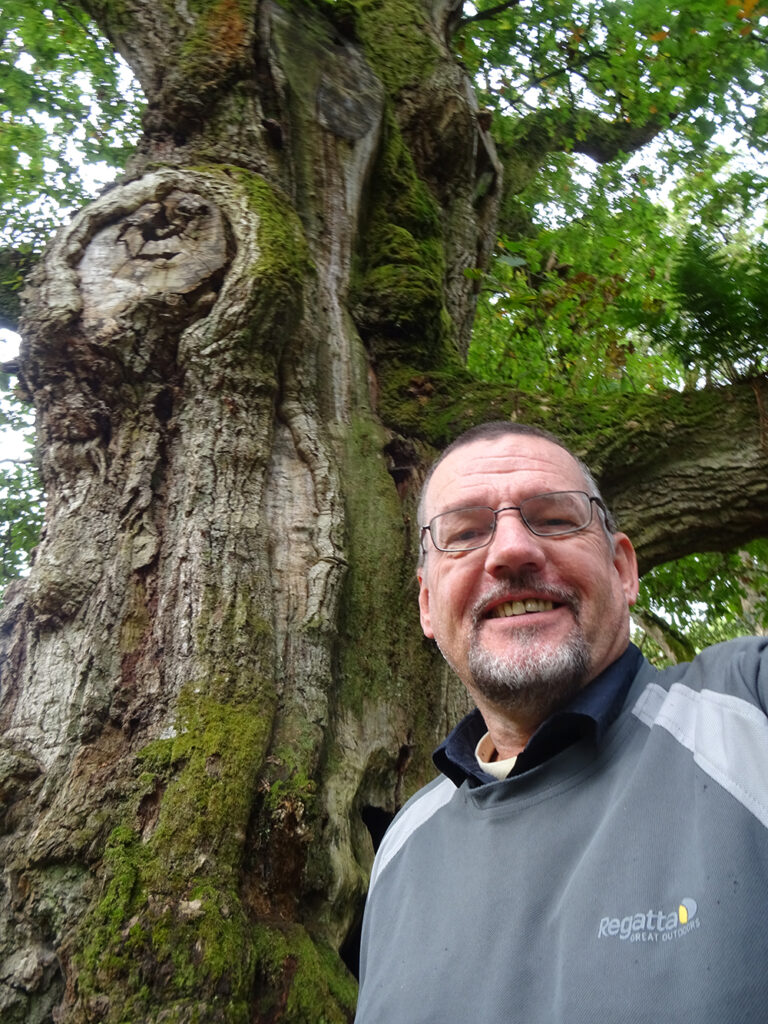
As the beautiful Autumn season arrives the felling of one tree – the Sycamore Gap at Hadrian’s Wall – filled news headlines and sparked anger, outrage and outcry. This senseless act should be a reminder that people are disconnected with nature and natural systems. At the same time many people care… but perhaps the sentimental affection for one tree is misplaced or needs some additional focus?

The Sycamore was ‘special’ because it stood alone as a feature of the landscape (possibly deliberately planted as such). There are many ‘special trees’. For me, and associated with the Perth & Kinross Countryside Trust ‘Perthshire big tree country’, the ancient Birnham Oak is special (and incidentally has some ancient sycamores near by). However, it is not alone, it exists in woodland on the banks of the River Tay, and further along is Neil Gow’s oak revered as the place the 18th century fiddler composed and played.

A tree is a ‘unit’ of a woodland or forest, a habitat. The outcry should be levelled at destruction of these habitats for human development (roads, rail eg HS2, building development, monoculture etc). Connection to nature can be ’emotional’ and ‘spiritual’, at the same time there is need for a regard to ecology and what is appropriate planting and management. However, encouraging more people to enjoy and access the countryside responsibly, hopefully re-builds connection and support for trees and ‘added value’ they give us.

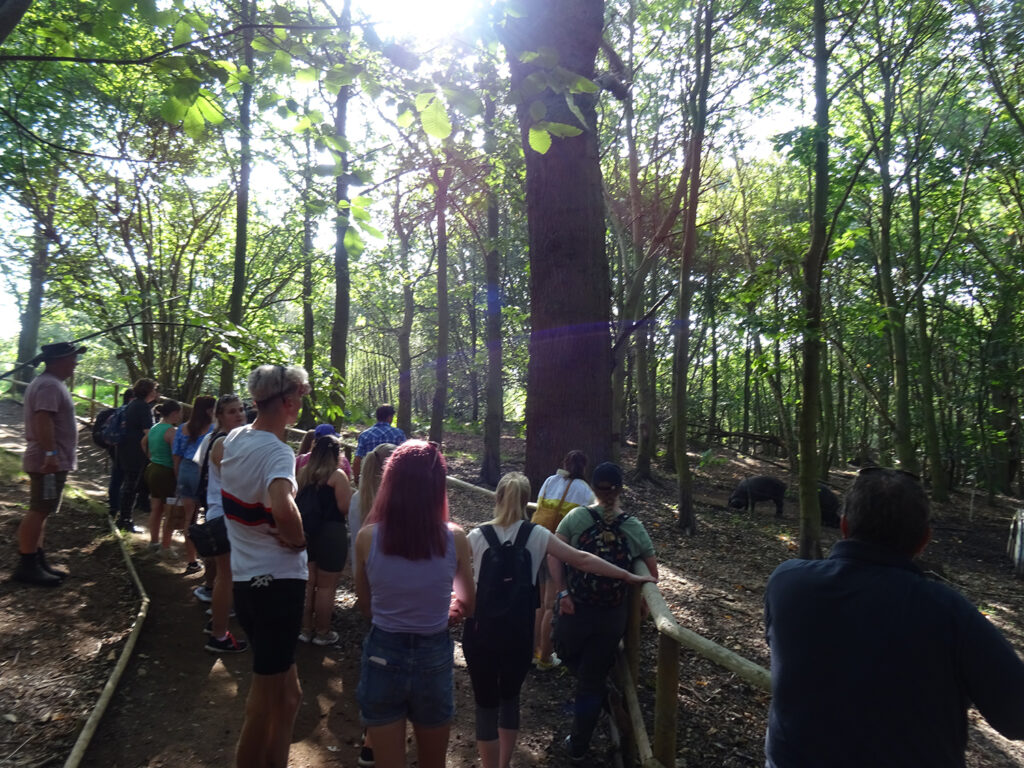
Our connection to nature can also be promoted and enhanced through well designed and carefully thought out ‘experiences’ in wildlife parks. At Jimmy’s Farm & Wildlife Park near Ipswich there is a new ‘rare breeds farm’ area, through the native woodland – where some pigs can be seen – and to the fields (with rare breed pigs, goats, sheep, Suffolk punch horses, Highland cattle).

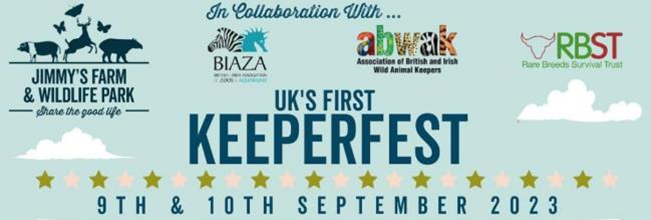
It was an honour to be asked to speak at the UK’s first KEEPERFEST event held at Jimmy’s Farm & Wildlife Park in early September. The event included talks from Jim Doherty, Adam Henson, Nick Baker and a host of ‘industry experts’, as well as practical workshops and stands.

The event nicely complimented the work that ABWAK have been doing for many years in helping keepers to network and develop their skills.

Over the summer I also wrote a short-course on Environmental Education for learndirect and this is available for people to study online as a validated 3 module short-course: https://www.learndirect.com/course/level-3-award-environmental-educator

On Safari in Sharjah, UAE

Sharjah Safari is the world’s largest safari park outside of Africa and it has been an honour to play a small part in the educational development of this amazing Park which has just celebrated a year of operation.

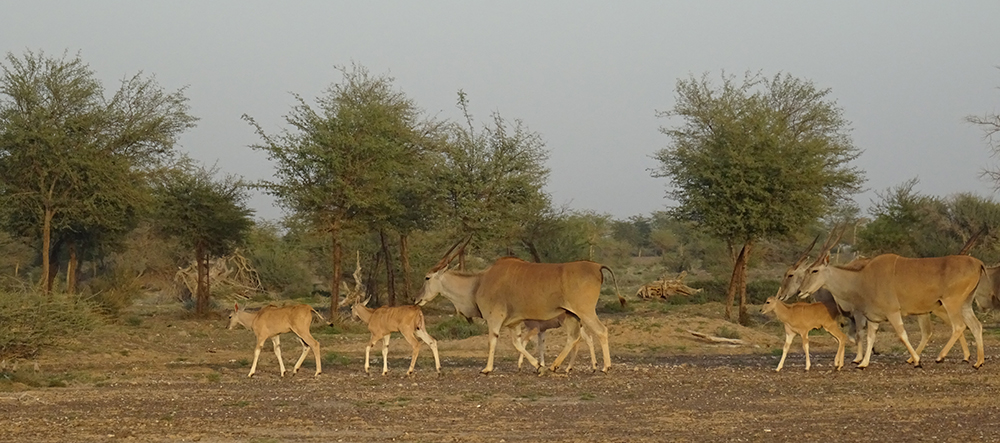
eland in one of the reserves

Initial plans for the safari park were put into action around 8 years ago. I first heard about it a couple of years later and after putting forward thoughts on education and staff training in 2018-19, I became directly involved in 2021 and have just been out to Sharjah again for a couple of weeks to help review education work so far and encourage continued development.

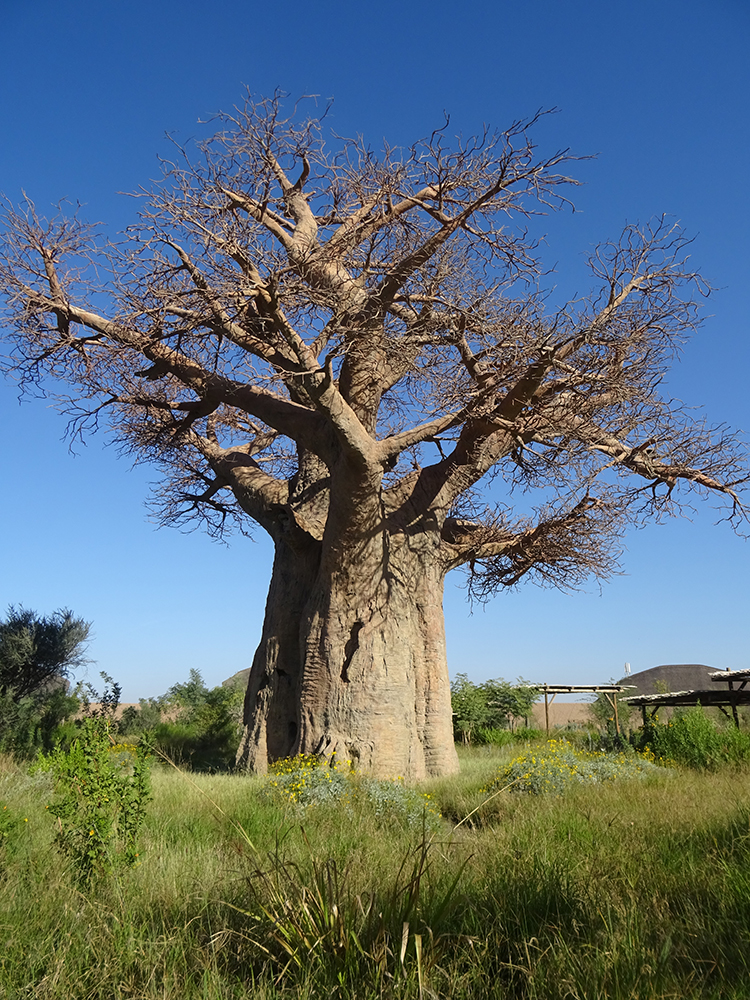
this baobab is an amazing lifelike ‘model’; there are over 100 live baobabs on site

The park is part of the vision of HH Sheikh Dr Sultan bin Mohammad Al Qasimi, ruler of Sharjah, who wants to protect the different environments of the Emirate, raise awareness and engage people in their local environment, culture and history of links with Africa. The design and construction was a huge undertaking overseen via the ruler’s office, the Environment and Protected and Areas Authority [EPAA], a team of ex pat staff, many of whom had been working with EPAA already and the expertise of zoo design consultancy company Maguari-One .

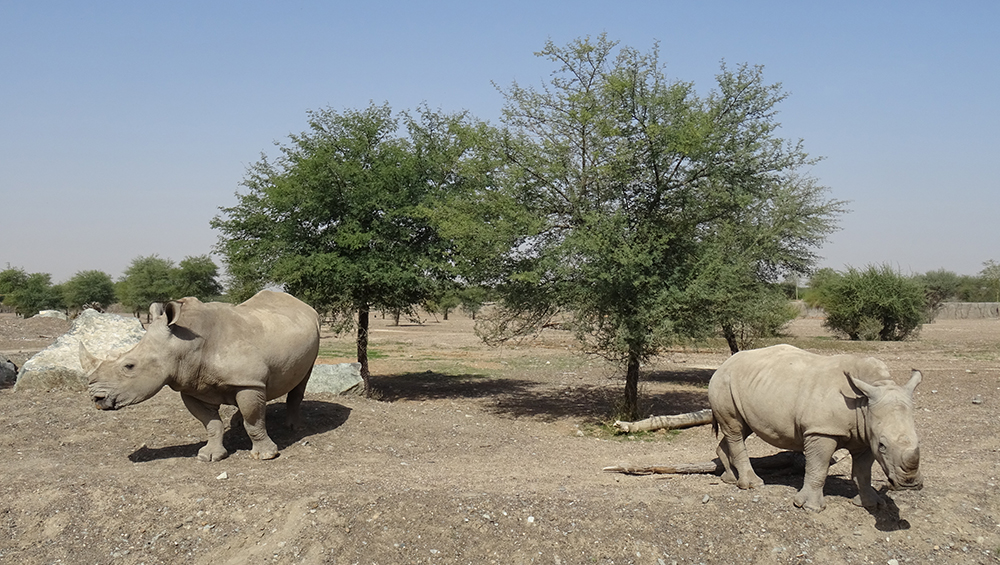
I have visited safari style zoos in Europe, USA, Asia and Australia and been to Africa (many countries) and led a safari in East Africa so my expectations for this development were flavoured by this. Sharjah Safari is the closest to a ‘real safari’ that I have seen and is truly a great achievement for all involved. Covering 8 sq km it is truly massive and divided into different habitat/geographic zones. The 100,000+ trees (many acacia) and landscape make it a realistic representation. The high standards of animal care and presentation of animals is also very natural and only in a few areas do you see fencing etc.

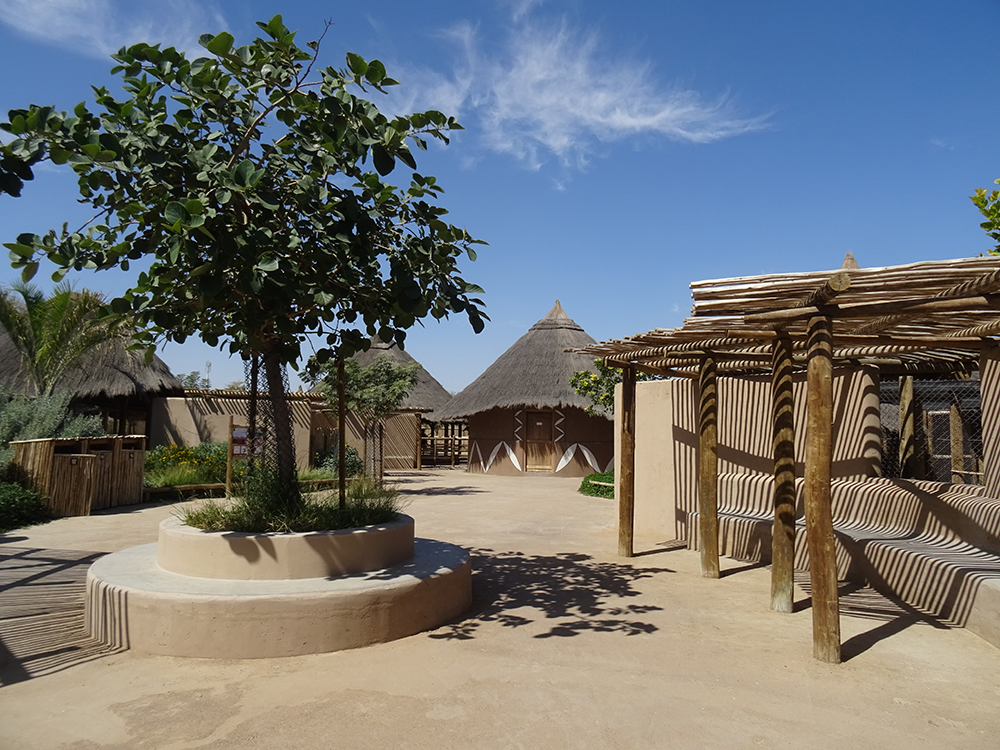
African boma

In 2021 I helped create the Sharjah Safari education strategy and was involved in supporting development of the education team and initial training of the team of Emirati guides and staff, but the park was still being completed and animals not yet settled in. Now this month it was great to see everything, animals out on the ‘plains’ and in the reserves and to be taken on safari. It is to the credit of the organisation that the safari park is not a “commercial theme park” and whilst visitors are catered for well, the safari experience is akin to the real thing, as you go on a driven tour in dedicated vehicles with a guide.

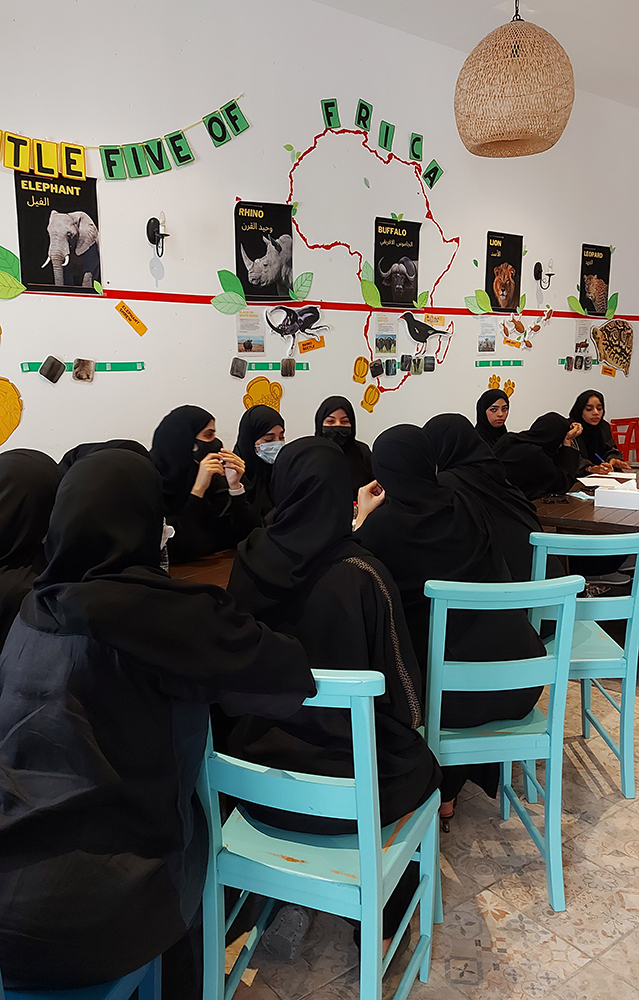
some of the Emirati education team at one of my training workshops

This visit I was pleased to see the education team have done lots of activities in year one, despite many challenges, and the guides are beginning to develop their abilities. A schools programme has also got underway very successfully and will expand. With the team we reviewed the strategy and areas of responsibility and discussed exciting plans for continued development. I was also pleased to work with some of the Emirati staff, including a few from other EPAA visitor centres.

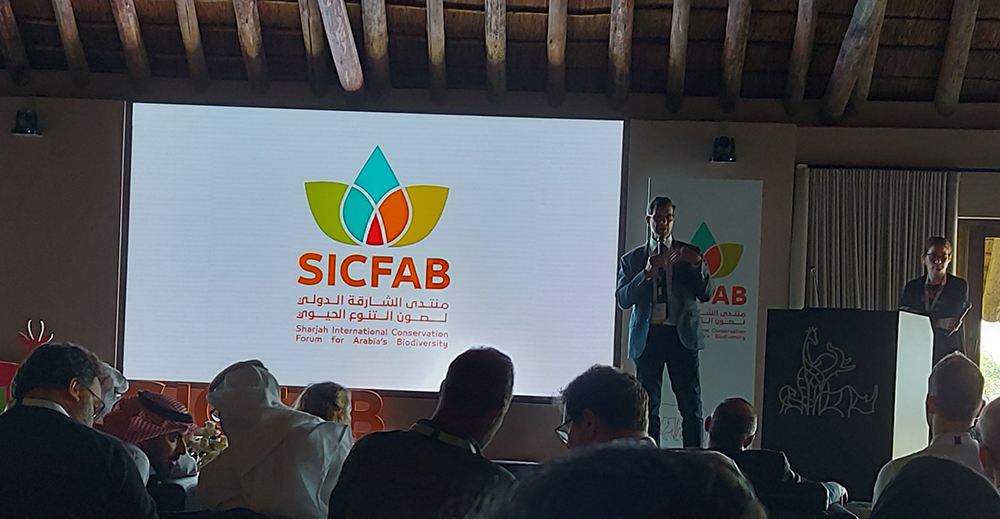
SICFAB conference hosted in Sharjah Safari

At the same time on this visit I was delighted to be an invited guest at the annual Sharjah International Conservation Forum for Arabia’s Biodiversity joining guests who work across Arabia, and with the topic of ‘Genetics & Conservation’ the forum was led by former colleagues from RZSS in Scotland 🙂

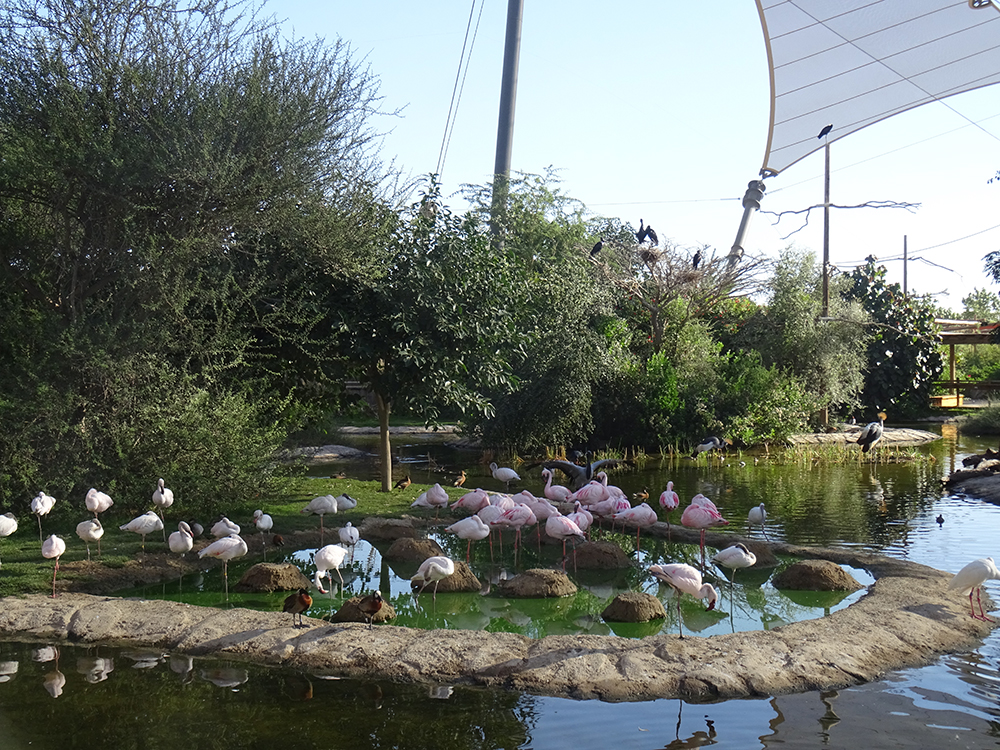
Into Africa – Birds of Africa aviary (one small part of this huge aviary)

Sharjah Safari includes representation of key African ‘zones’ – Sahel, Savannah, Serengeti, Kalahari, Ngorongoro and others that include giraffe (Moremi) and elephant (Niger Valley). The “Into Africa” first zone of the park includes a huge aviary, a representation of Madagascar and Aldabra, the Zanzibar village and a traditional African boma (farm), a view over part of the Sahel and an amphitheatre animal demonstration, and all this is accessible on foot with a basic ‘Bronze’ ticket (£9 ad/£3.40 ch). Silver or Gold tickets are required for the main safari drive around and special areas (and give access to Into Africa). The Silver ticket is safari by truck and a stop at the Safari Camp half way through. Gold is by a smaller ‘typical’ real safari luxury vehicle and includes a stop in the Serengeti zone as well (Silver: £27 ad/£11 ch; Gold £62.50 ad / £27 ch). Overall the experience can be 4 hours.

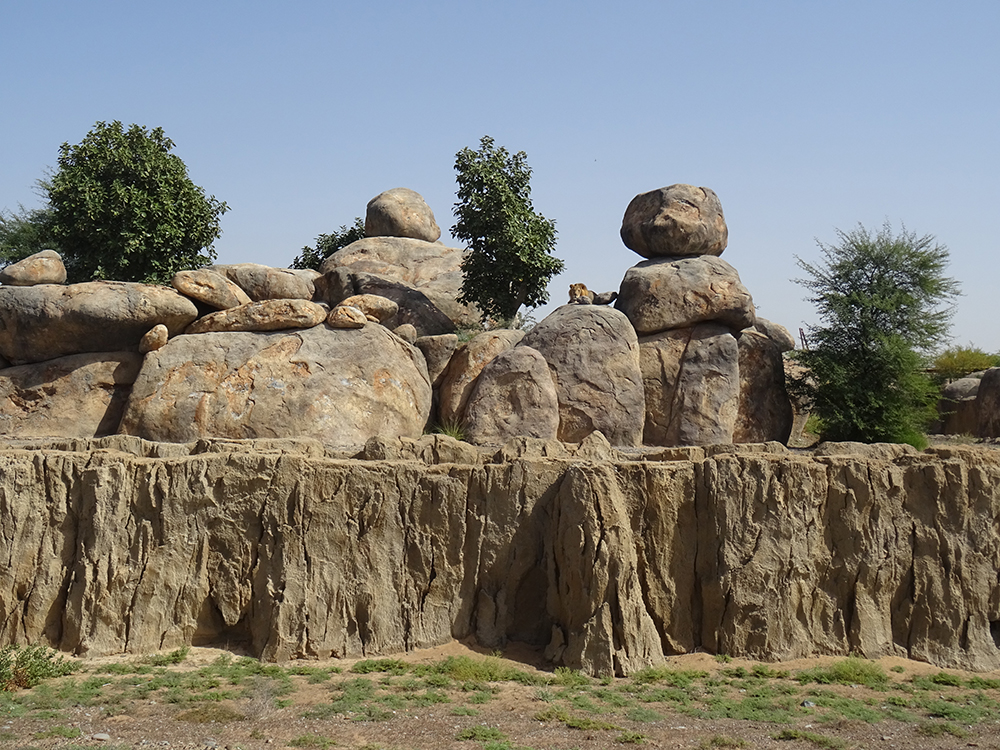
Serengeti area – spot the lion

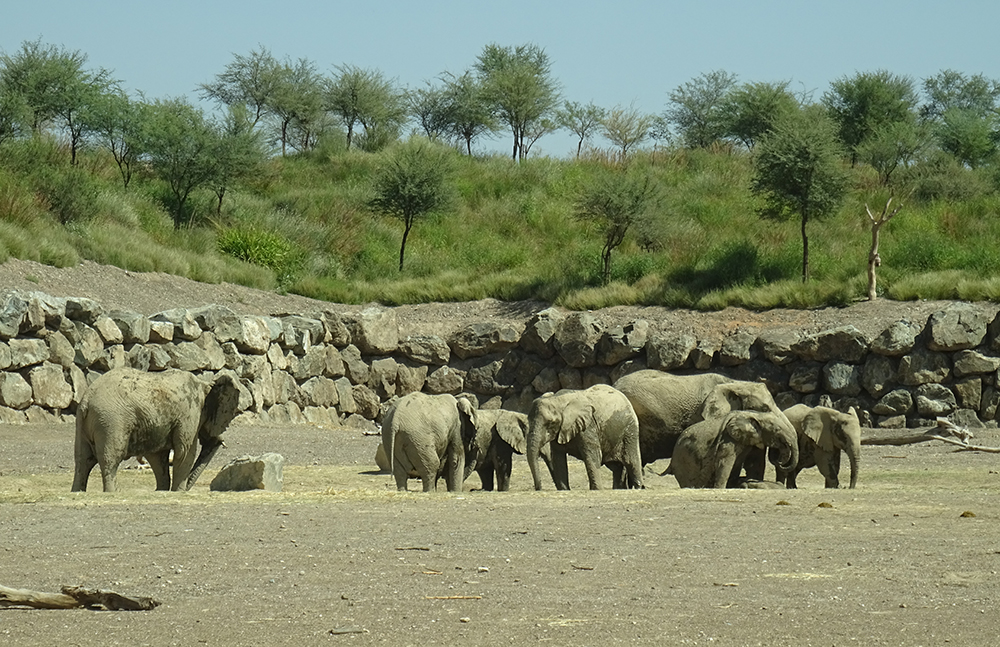
This February the weather included some rain before I arrived and an average temperature in week one of 24-26 C and in week two 29-33C. So it was nice to be hot but comfortable. The hottest months June, July and August can see temperatures of 45C+ at this time the park is closed. The irrigation systems and natural gravel bed mean the environment copes and animals have shade, water and appropriate care. The elephants that are here, for example, come from an arid area and are used to hot dry conditions but also have showers, shade and food supply through the summer. A calf was born recently.

A great herd of elephants – their area is huge, shown here is one tiny part as viewed from safari vehicle

Sharjah Safari shows that a really good visitor experience and good animal ‘exhibit’ and welfare can be created in the Middle East, given a large budget but careful consideration of the environment and design. The exciting challenge ahead is embedding the educational opportunities into the staff training, visitor experience, raising awareness, supporting conservation and behaviour change. I will be watching to see how this amazing place matures over the years to come.

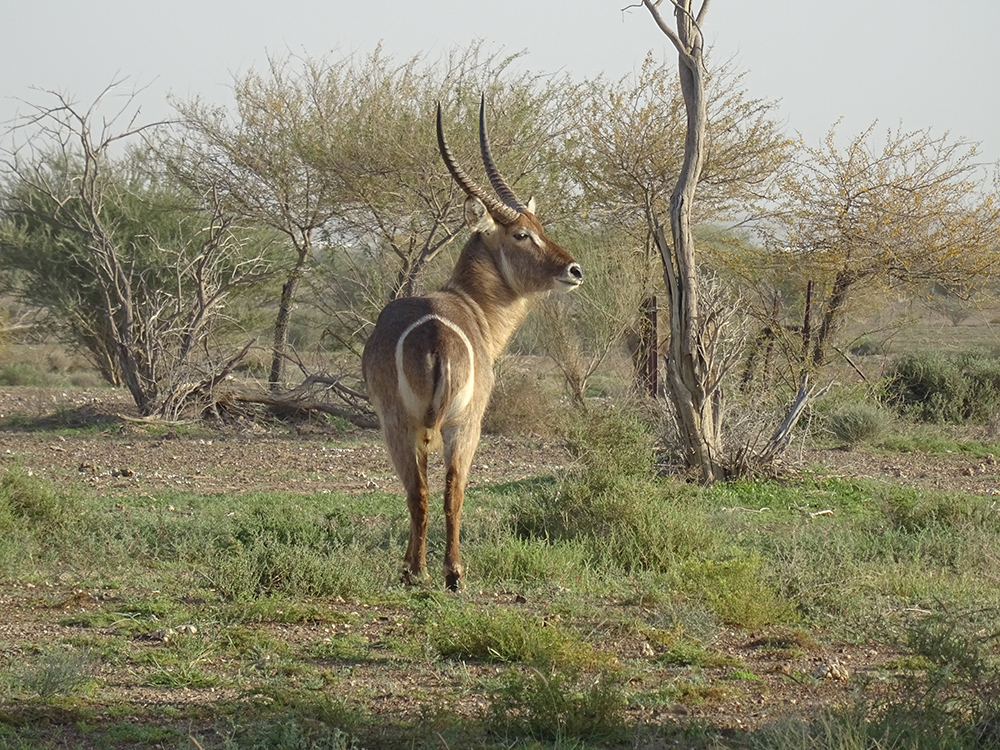
waterbuck…. this picture could so easily have been taken in the wild
Thanks to the Sharjah Safari team, EPAA and all those involved.
Plant a Tree & Sow a Seed for Conservation

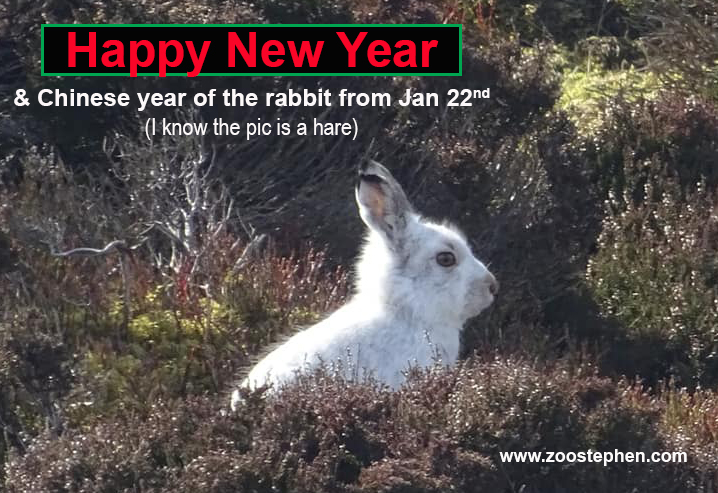
Happy New Year.

Bookings now being taken for all my talks and workshops in 2023 – see Talks and Services section of the website for a range of options. (Available across the UK and abroad).

Another year has passed and we look forward to the next. 2022 was one of many contrasts, from heat wave to big freeze, the passing of the Queen, and prime minister to prime minister (and again). Of course the dreadful invasion of Ukraine by Putin will scar the year’s memory.

Thankfully there were some good things in 2022 – some reported in previous blogs. I was very happy to return to Durrell Conservation Academy, Jersey, in November to work with a new group of Diploma in Endangered Species Management (DESMAN) students from around the world. Participants this time were from Brazil, Montserrat, St Lucia, Indonesia, Colombia, South Africa, Costa Rica, Seychelles, Philippines, Tanzania and Papua New Guinea.

The 2nd DESMAN group in Jersey this year

The enthusiasm and commitment of these students is always great and we had fun exploring theory and practice of conservation education. The weather (for me) was good, some rain showers, but generally mild, whereas the DESMAN group said it was too cold 🙂 Back in their home countries they will make a difference in a wide diversity of projects and conservation initiatives.

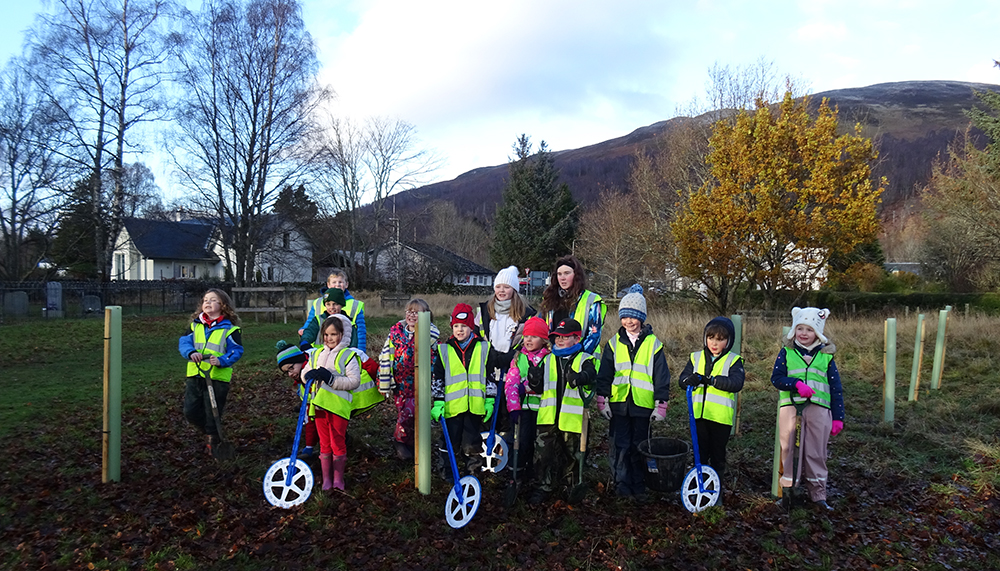
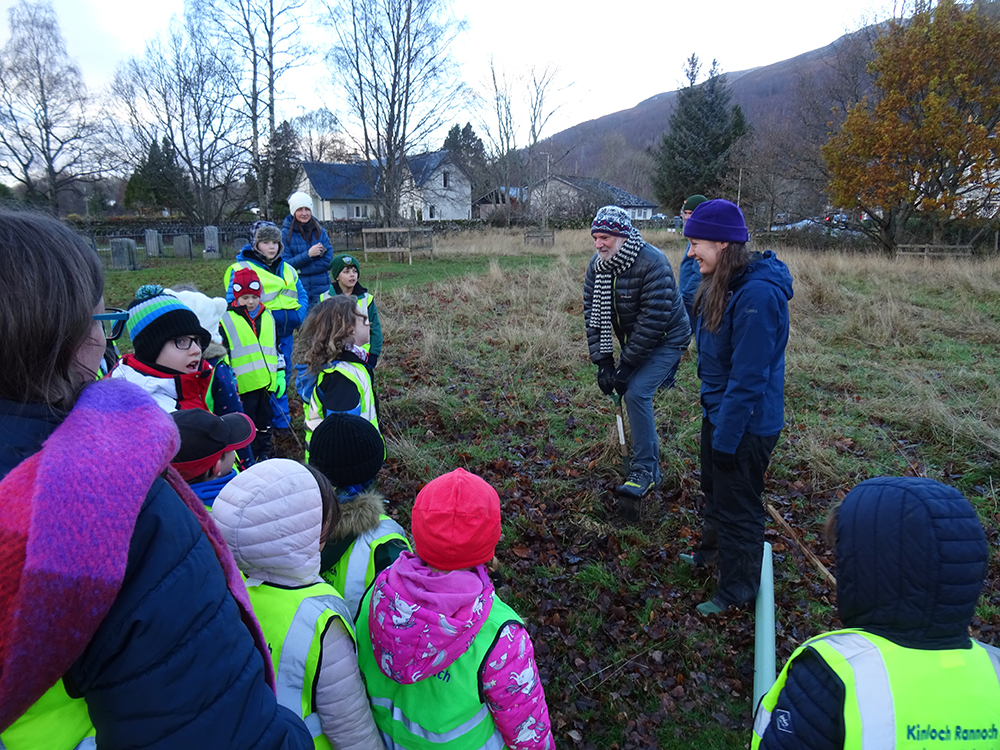
PKCT Patron Cameron McNeish & Discovery, Learning & Engagement Officer, Catherine Leatherland demonstrate the ground prep for tree-planting with Kinloch Rannoch Primary pupils

In December I had the honour of becoming the Chair of the Perth & Kinross Countryside Trust and was delighted to take part in a tree-planting with pupils from Kinloch Rannoch Primary School. The young trees (whips) donated by the Woodland Trust and also marking the celebration of the Queen’s Jubilee and now in her memory as part of the Queen’s Green Canopy, are part of our ‘Tree for Every Child in Perthshire‘ project. It was great to see the pupils enthusiasm as they all planted a tree in their local park. Great to think these trees will be there for their children to play around in years to come.

We are often faced with ‘negative’ and bad news stories, so the simple act of planting a tree is a positive conservation action that can make a difference, help in mitigation of climate change, encourage biodiversity and wildlife, as well as contribute to the community. Sowing wildflower meadows, having areas set aside in gardens etc are also to be encouraged.

With PKCT we are particularly focused upon people’s access and enjoyment of trees and the countryside, and Perthshire is a great area to get out and explore. I look forward to many days out and about across the county, the rest of Scotland and further afield in 2023.

Changing Times & Challenges

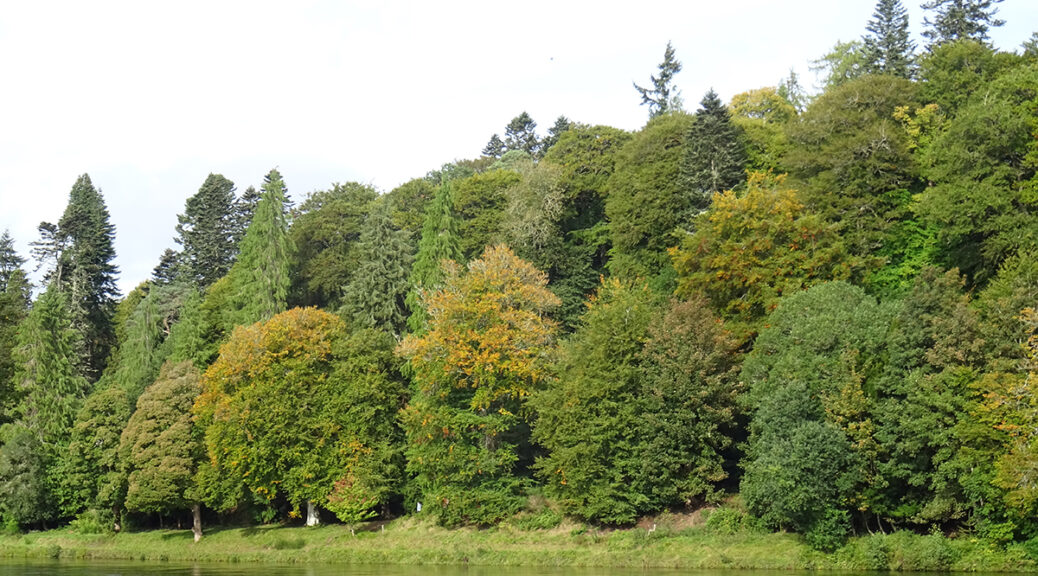
Autumn has been stunning at home in Perthshire, Scotland and I have enjoyed seeing the trees and colours change as the weeks passed by through October especially. Being a Trustee of the Perth and Kinross Countryside Trust (PKCT) I encourage others to experience and explore this wonderful region and enjoy the great outdoors (at any time of year).

It was good to help represent PKCT on the ‘stand’ at Scotland The Big Picture conference held in Perth, featuring many case studies of rewilding and connectedness to nature. Whilst we have some wonderful wild outdoor spaces, its also important to acknowledge the landscapes that are artificially maintained, eg grouse moors and river systems where trees have been ‘taken out’ and of course there is now a good open discussion about the animal species that need to be in our habitats – beavers are back, white-tailed eagles, kites and ospreys are back… but what about lynx? wolf? bear? and others.

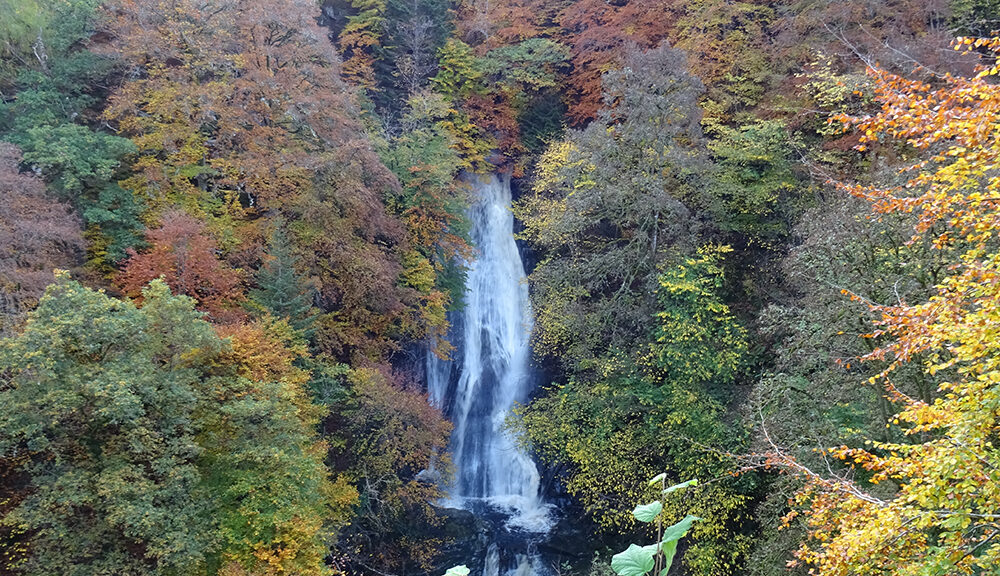
Acharn Falls, near Loch Tay, Kenmore, Perthshire, Scotland

Autumn is always a time of change in nature and the beauty we see soon fades into the grey and more monochrome winter to come. I’m reminded that this time last year I was in the United Arab Emirates – where these seasons have no bearing, and I am thankful to be resident here, to experience all the seasonal changes, whilst able to visit other places with different climate and conditions.

COP27 in Egypt brings world attention to climate change once more, after what for the UK was an incredibly hot summer and may be the hottest year on record. However, the challenge of climate change is one that politicians and some companies still don’t recognise as critical to our future requiring action day on day, not just when media focus on a gathering to discuss it .. again! Autumn may well be very different in one or two generations time unless action is taken now.

Talking of politics… what on earth is happening? The UK is going through prime ministers and ministers like its just a game and this is no entertaining ‘game of thrones’ for the rest of us, it has had serious economic impact. The change we are facing is not one we expected even after the disaster of Brexit and challenge of covid or impact of the war in Ukraine. Many people, businesses and zoos face crippling rises in bills whilst other multi-nationals profits soar. Capitalism is broken and in its current incarnation is not a model for freedom and democracy.

ZooStephen activity has been ongoing but facing challenges too. In the last few months I have been doing a bit ‘extra’ on my voluntary work as a Trustee with both PKCT and the Dudley & West Midlands Zoological Society. It is an honour and privilege to be able to support and help these charities in their work and share some of my knowledge and expertise from the past 35 years working in conservation education.

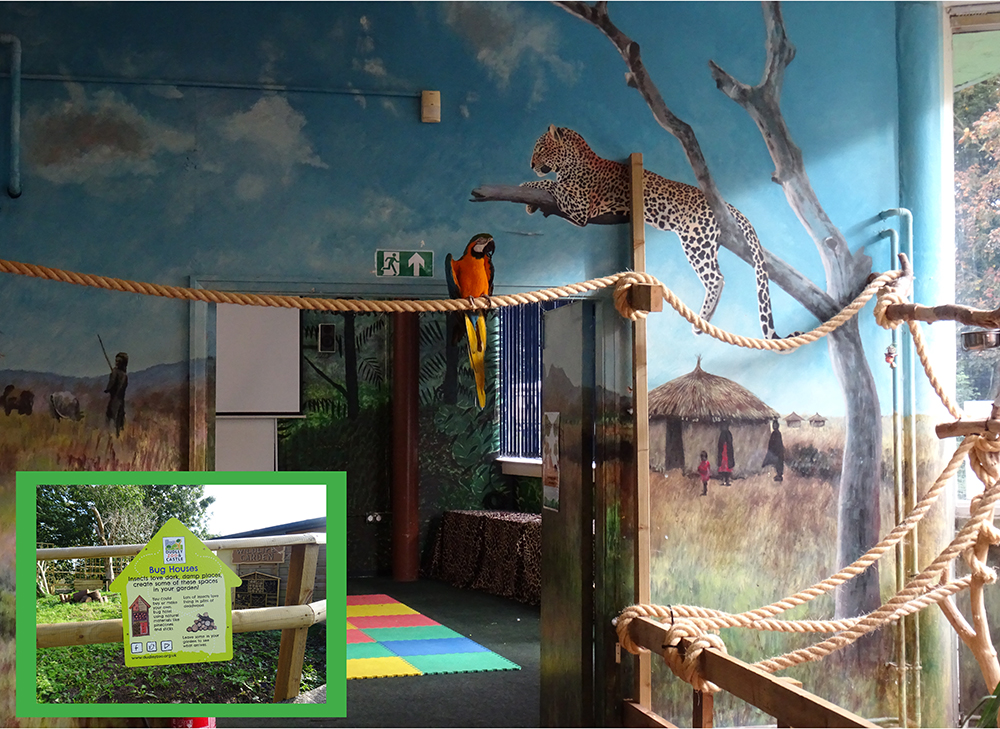
Dudley Zoo Education Centre, Charlie the macaw & inset – native species sign (bug hotel)

I was also honoured to be asked to do a guest blog for Wild Welfare with my thoughts on education. Primarily I focused on the fact ‘traditional’ fact-based learning is not the approach we need to improve welfare and conservation, its more about emotional engagement https://wildwelfare.org/education-animal-welfare/

Sparsholt College has some great ‘zoo’ teaching resources

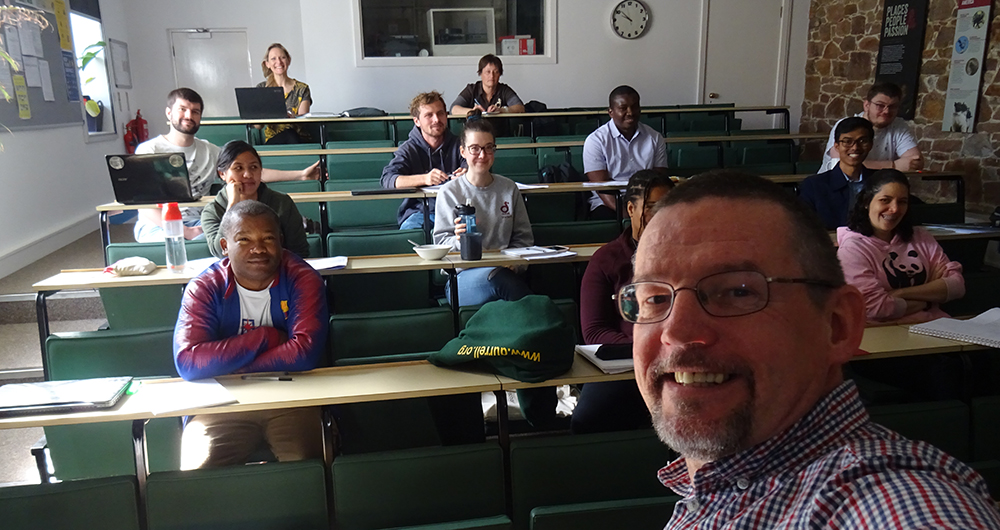
Meanwhile a new group of Apprentice Zookeepers began their course with Sparsholt College and I spent a morning with them in early October giving them an overview of zoo history, aims and objectives to welcome them to the course and profession. I continue to act as an assessor on the national zookeeper course DMZAA, and particularly being assessor for the Certificate version created for volunteer zookeepers.

This is indeed a time of change and challenge. It is uncertain what 2023 and beyond will have in store.

DURRELL’S ARMY & JIMMY’S FARM

After a couple of years (due to covid issues) it was a pleasure to return to Jersey and the Durrell Conservation Academy and teach in person on the Spring 2022 DESMAN course.

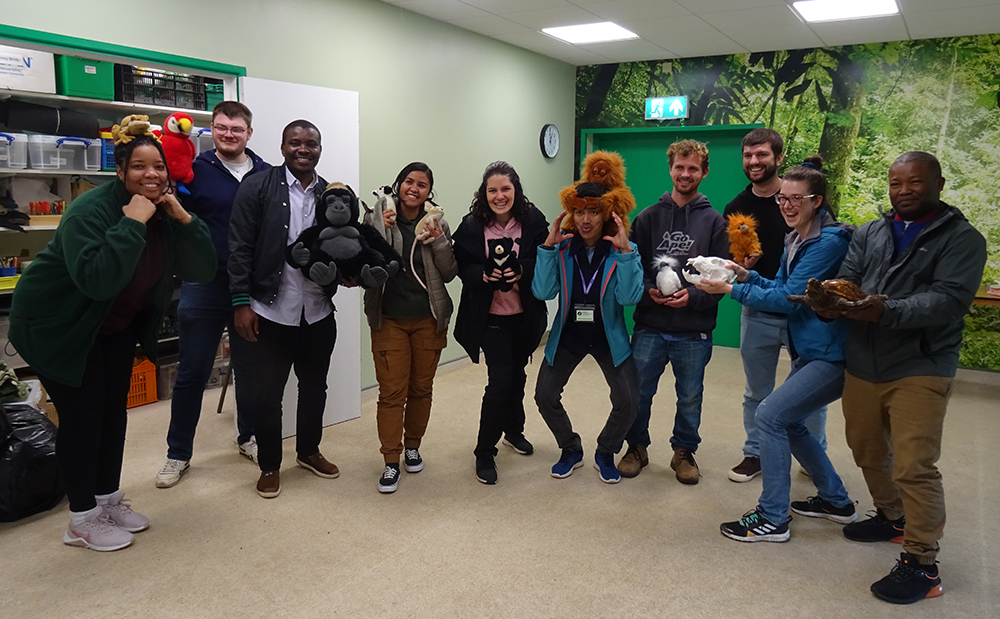
Spring 2022 DESMAN participants having fun in the ‘Discovery Centre’

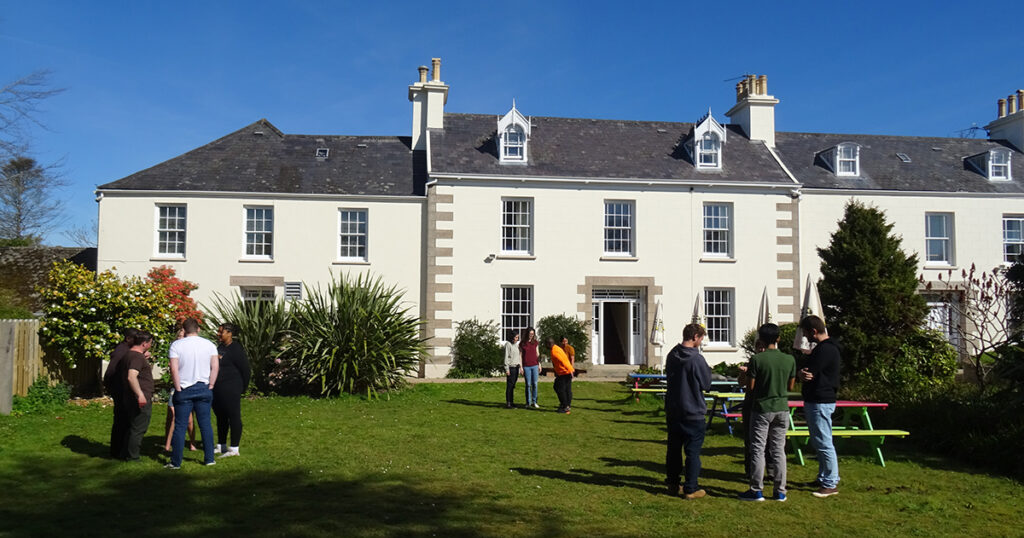
I am always inspired and enthused by the wonderful participants on this 12 week diploma course and it is an honour to work with them, and teach for a few days at the Academy that I saw opened by HRH Princess Royal with Gerry & Lee Durrell, as the International Training Centre in 1984. This year the group comprised participants from: Brazil, Canada, Colombia, Indonesia, Madagascar, Monserrat, Nigeria & Scotland and for some of the time joined by a couple of Jersey Zoo education staff too.

“Learning by doing” is largely the approach I take (although lecture is part of the delivery), and the students all engage well – for some they get pushed out of their comfort zone but building confidence in new areas.

The garden at the Academy provides a great place for outdoor learning when the weather is nice 🙂
Acting as a means of communication / meeting a cockroach 🙂

The DESMAN graduates have significant impact in the field in their careers and are part of ‘Durrell’s Army’ enacting conservation and saving endangered species and places. My workshop is designed to help them develop their communication skills and recognise the value of education as a conservation tool with a variety of audiences. A lot of examples are packed into a few days, including looking at public engagement in Jersey Zoo and case studies from around the world. My aim is to inspire, excite and enthuse through active education, enabling them to apply ideas in their own practice in future.

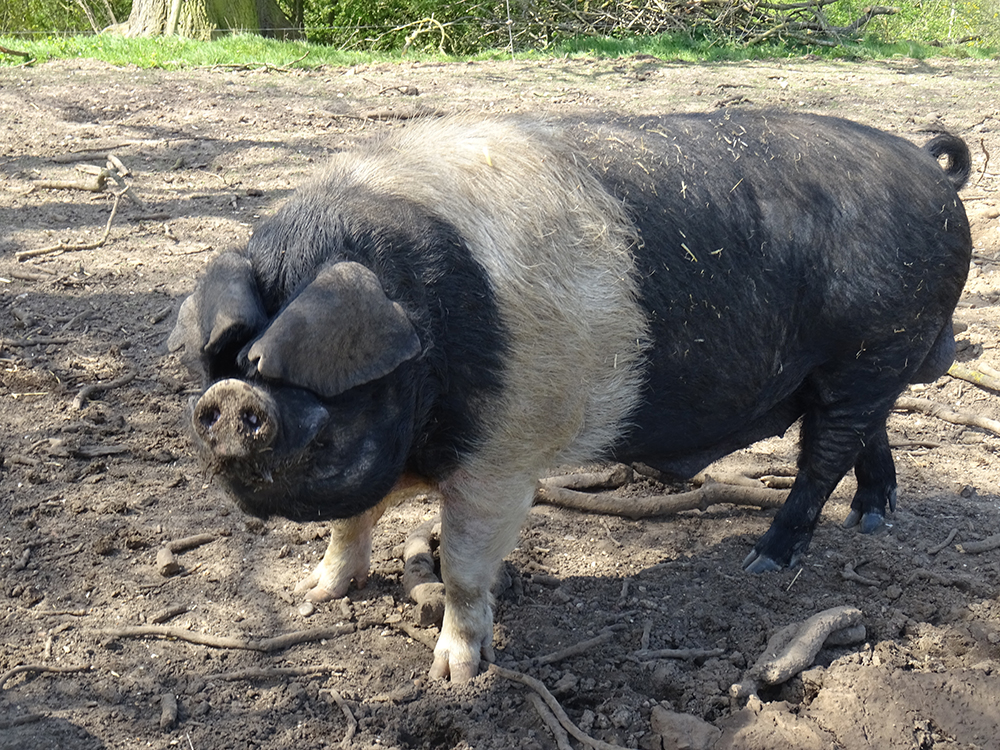
Saddleback pig – created from the few surviving Essex & Wessex saddleback pigs in 1960s

Not long after being in Jersey I headed to Jimmy’s Farm & Wildlife Park near Ipswich. The park is a working farm with rare breeds as well as having a growing wildlife park featuring a diversity of species. Rare Breeds of farm animals represent the ‘traditional’ stock and as the name suggests are ‘rare’ – largely because commercial farming has concentrated upon a few core varieties. Jimmy’s has a wonderful restaurant serving quality ‘home grown’ free range meat and promoting sustainable agriculture and good welfare.

Jim Doherty bought the derelict farm in 2002 and this featured in a BBC TV documentary and he has done various TV programmes since. The wildlife park aspects began in 2016 and now the site is attracting around 200,000 visitors a year!

The excellent staff team at Jimmy’s provide a great visitor experience and I’m pleased to be helping them redevelop their educational activities – talks for the public and a new school’s (formal education) programme.

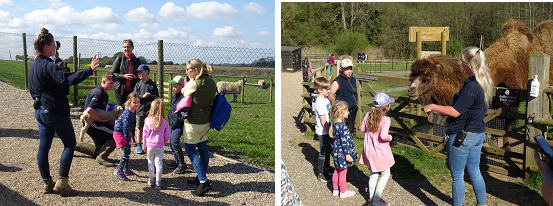
Being a farm and wildlife park presents great opportunities for engaging a diverse audience – and of course there is a big appeal to young children. However, the expanding wildlife park (includes tapir, macaque, camel, lemur, & zebra) and wonderful woodland area, provide potential with the farm for a meaningful consideration of our relationship to nature both local and global.

I look forward to returning to Jimmy’s Farm & Wildlife Park soon to support staff training and review the strategy and programme I have worked on for them.