Category Archives: Workshop

ZooStephen 2016 – 2026 : 10th anniversary

10 years ago I took the step of becoming self-employed and established ‘ZooStephen.com’. It has been an interesting decade with ups and downs, challenges and wonderful experiences. At the heart of this I have succeeded to some degree and my 10 years of activity has largely been a product of the connections made in the previous 3 decades and taking advantage of ‘lucky’ occurrences and opportunities.

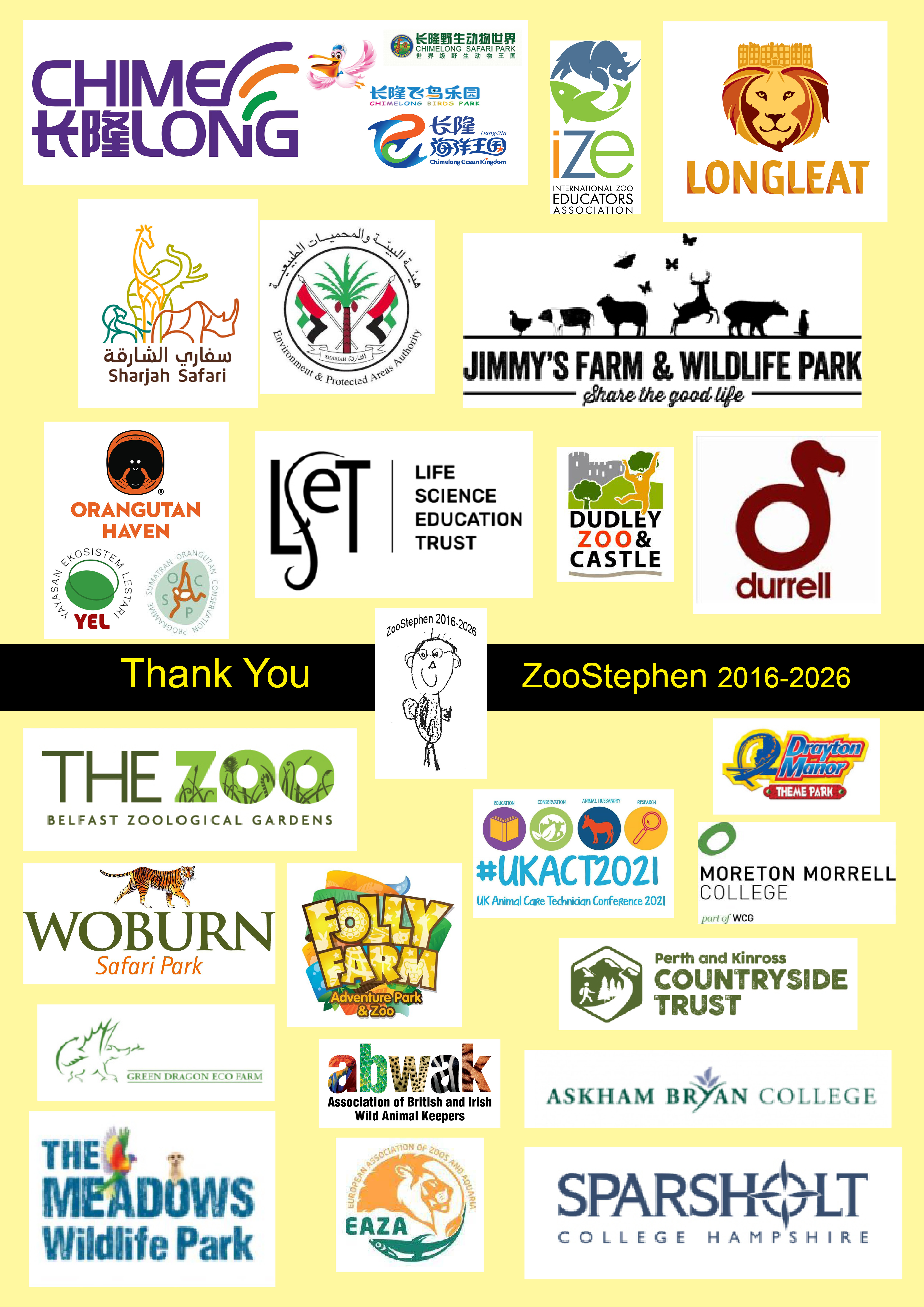
This blog is in part to thank all those who have helped me along the way but also to acknowledge some of the reality and challenges. ZooStephen is not finished yet, however I will continue to be realistic in what is my gradual journey to ‘retirement’.
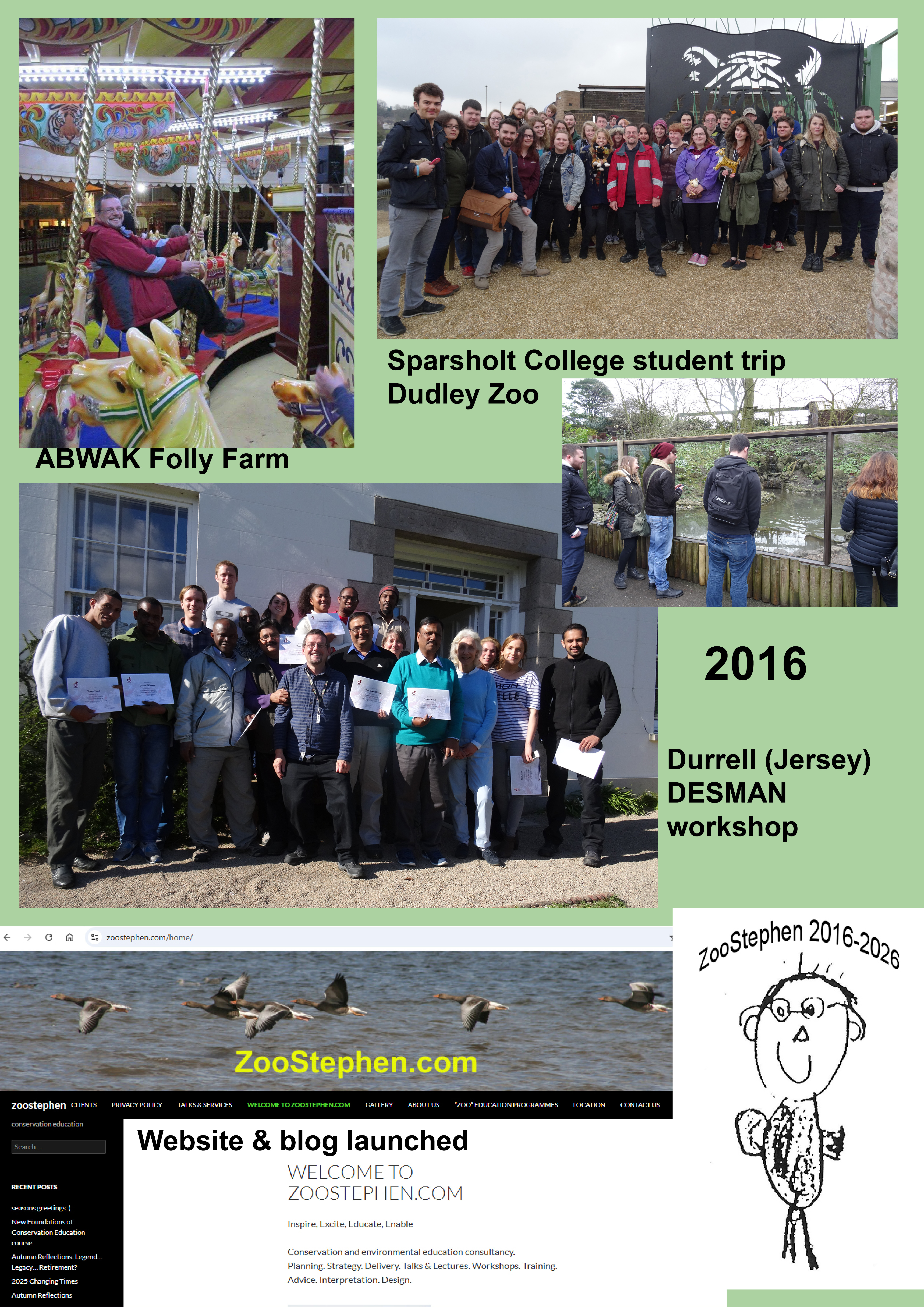
Throughout my career I especially enjoyed learning from and supporting others and being involved in the zoo education community and more. I was fortunate that my first ‘zoo boss’ Malcolm Whitehead allowed freedom and innovation – something I tried to incorporate in my working life, although at times this challenged other people’s ideas and ways of working – and I certainly wasn’t always in the right.
ZooStephen came about through circumstance of leaving full-time work (not the right fit) and a need to pay bills… I applied for various roles and was ‘2nd choice’ a couple of times and was offered an environmental education job out of the zoo industry but the salary meant I couldn’t afford to move to it. So in the first 12-18 months my focus was ‘survival’ and what next? This actually enabled me to rethink and by moving (back to Scotland) I was able to buy a ‘cheap’ house and give myself the freedom of no mortgage or rent – and that was probably the most significant decision to how these last years have panned out.
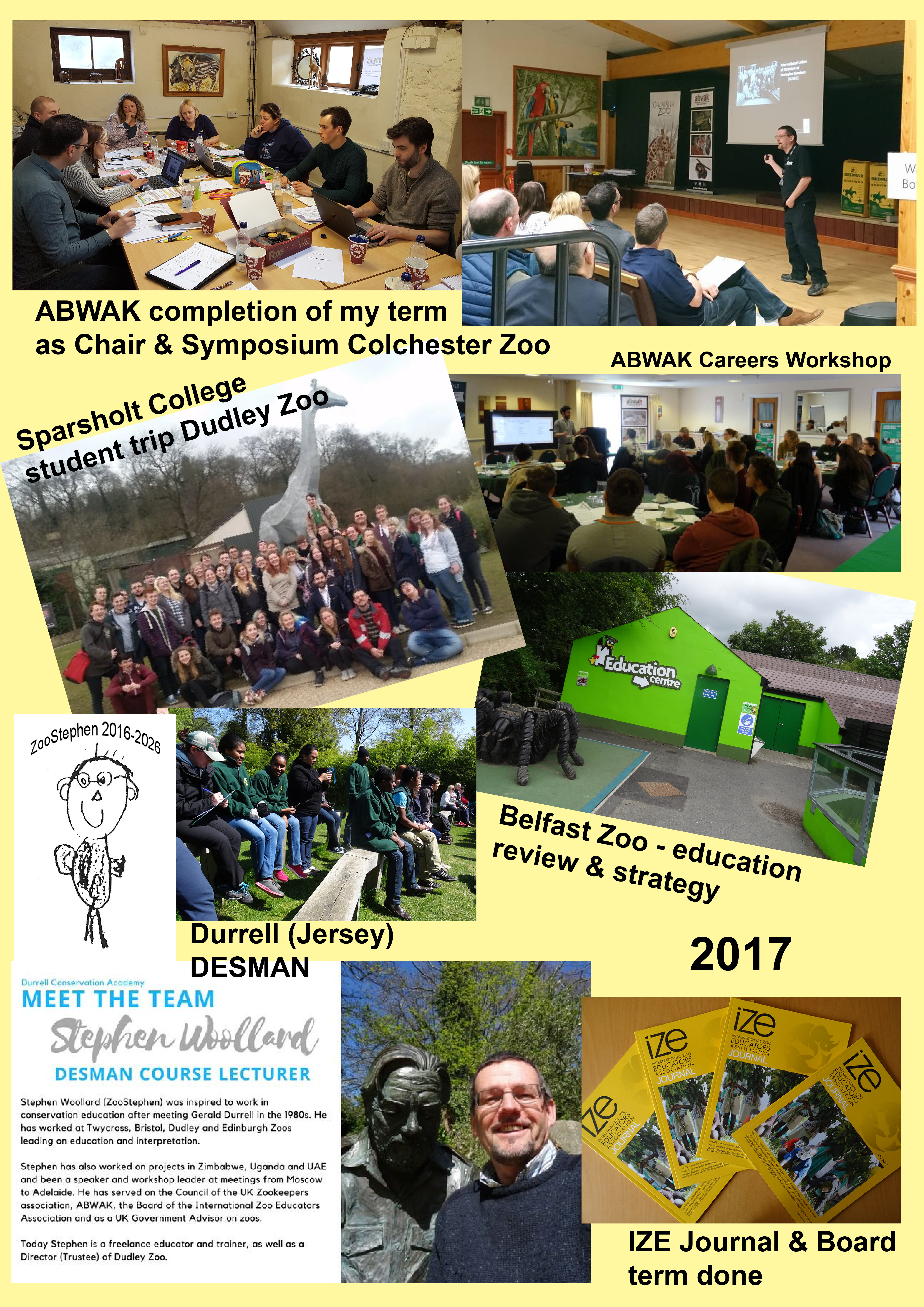
Early opportunities to shape my ‘training’ provision and ways of working came through friends Daniel, Maggie, Tim & Darren with respectively work for Sparsholt, Durrell, Folly Farm and Longleat. I also discovered (as suspected) that there isn’t much money in this field and if I wanted to earn a living wage it would be a lot of work. However, these experiences were fun and appreciated and form the backbone of my ‘training’ role still.
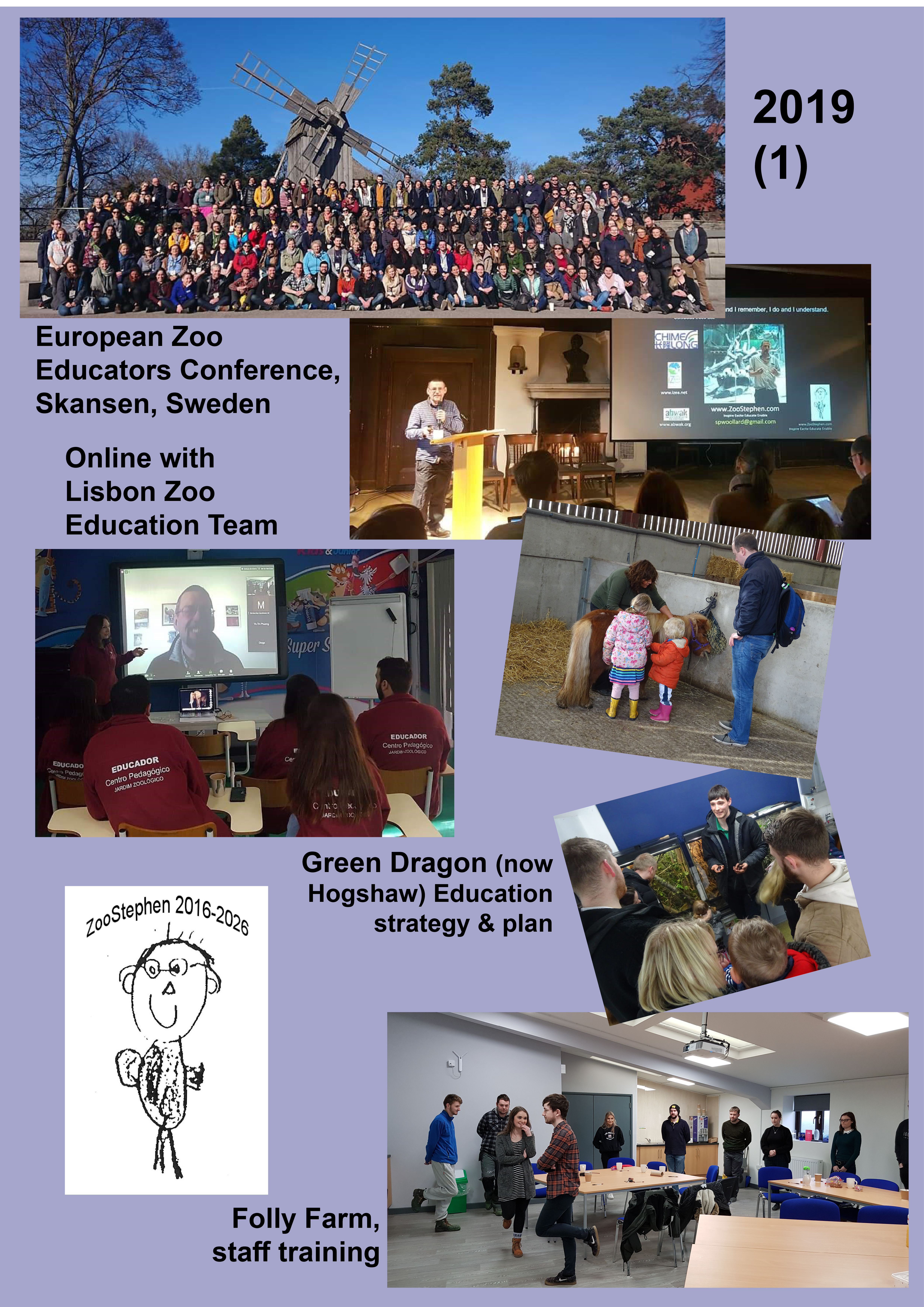
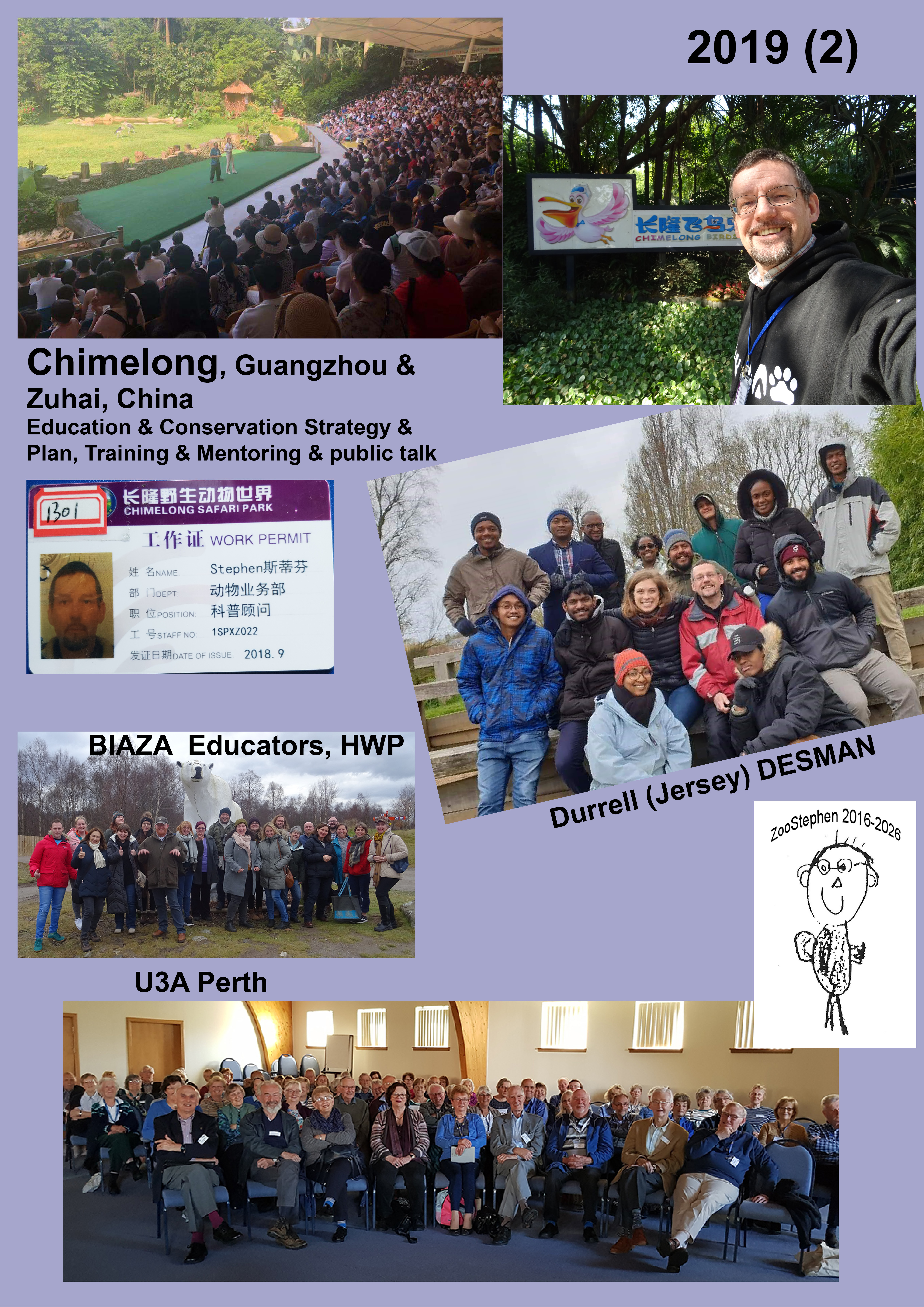
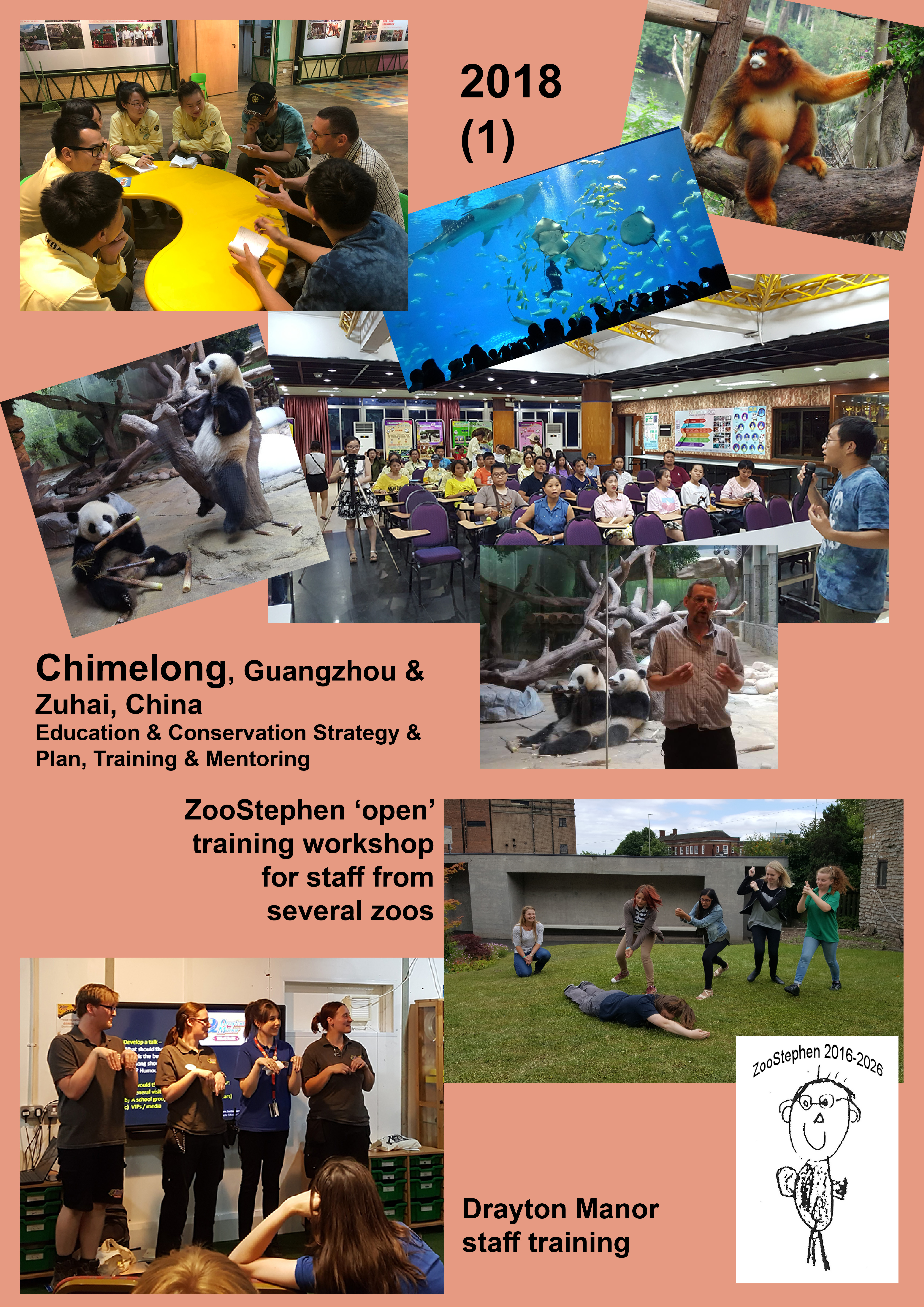
Opportunities to support strategy and education plans as well as training came primarily after my experience heading up Discovery & Learning at RZSS (2005-15) and I was able to apply this experience to help Belfast Zoo review and develop their education provision. Later this type of work enabled wonderful opportunities abroad – for Chimelong Group in China, EPAA Sharjah Safari in UAE and remote support for Orangutan Haven, Indonesia.

Visiting China and the Emirates was both enjoyable and stressful but afforded great opportunities and experiences and work with some lovely people. Whilst these were well resourced ‘wealthy’ organisations the reality of being a ‘expert’ sub-contract meant I did a lot of work for the relatively small number of paid days and accepted that my influence was limited but ideas and opinion welcomed.
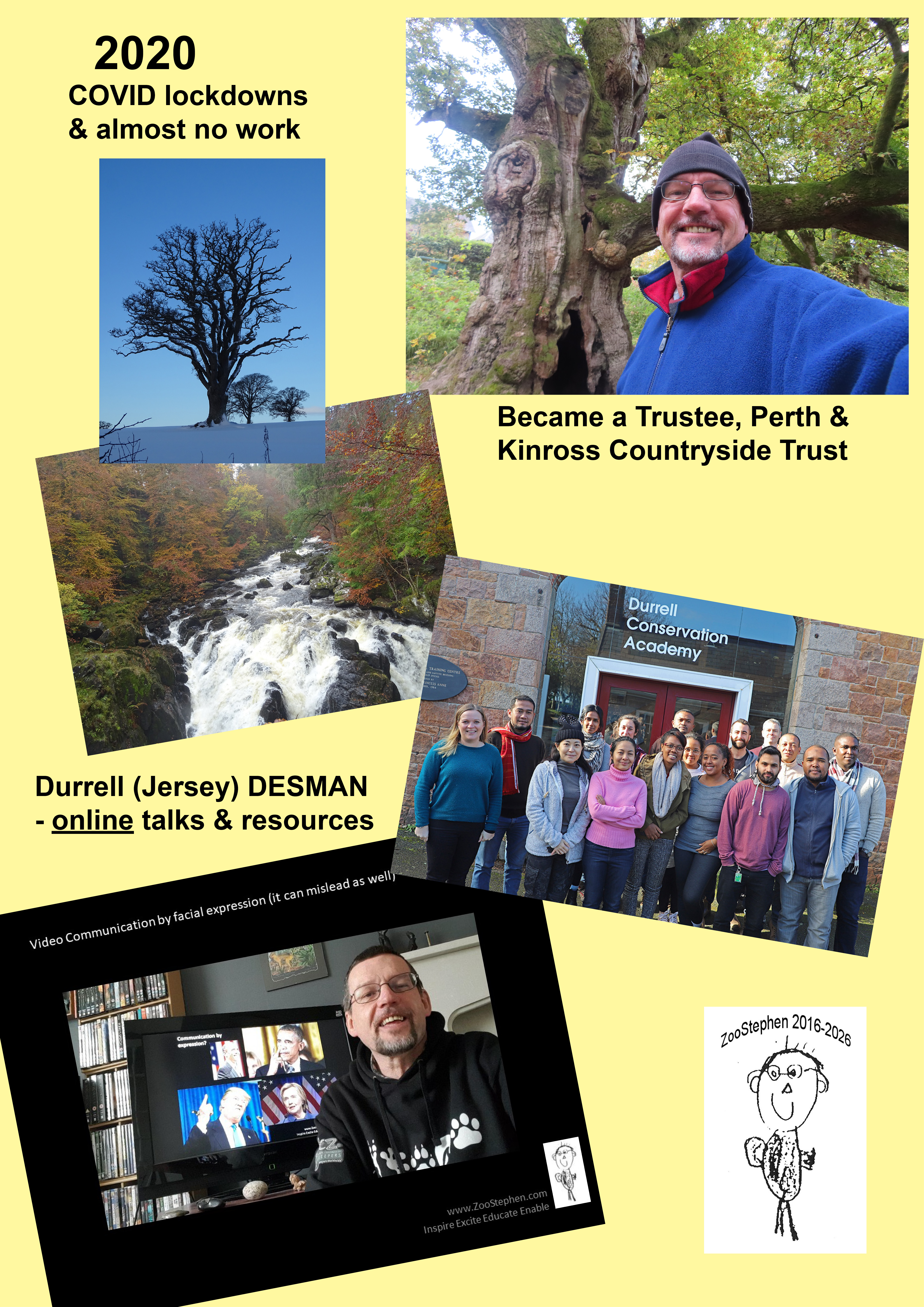
I did not anticipate that my December 2019 visit to Guangzhou would be my last… we were all caught off guard by the arrival of COVID-19. The impact was devastating for some. For me it was not only the loss of visits to China but suspension of face to face workshops and no income for a year! Thankfully I had savings. (The government support grant for me as a recent self-employed person was only a few hundred pounds. I don’t think many employees who were furloughed understood just how well off they were).

2020 and into 2021 therefore brought another pause and re-think and greater focus on what was important. Time with family, enjoyment of the outdoors and Scotland in particular took centre stage, whilst I took the attitude of take advantage of opportunities if I wanted to. It was a good time to volunteer and become a Trustee of Perth & Kinross Countryside Trust, help them develop a discovery & engagement role, and subsequently to take on being the Trust’s Chair. Latterly this has taken up a lot of my time and focus even though it is all unpaid.
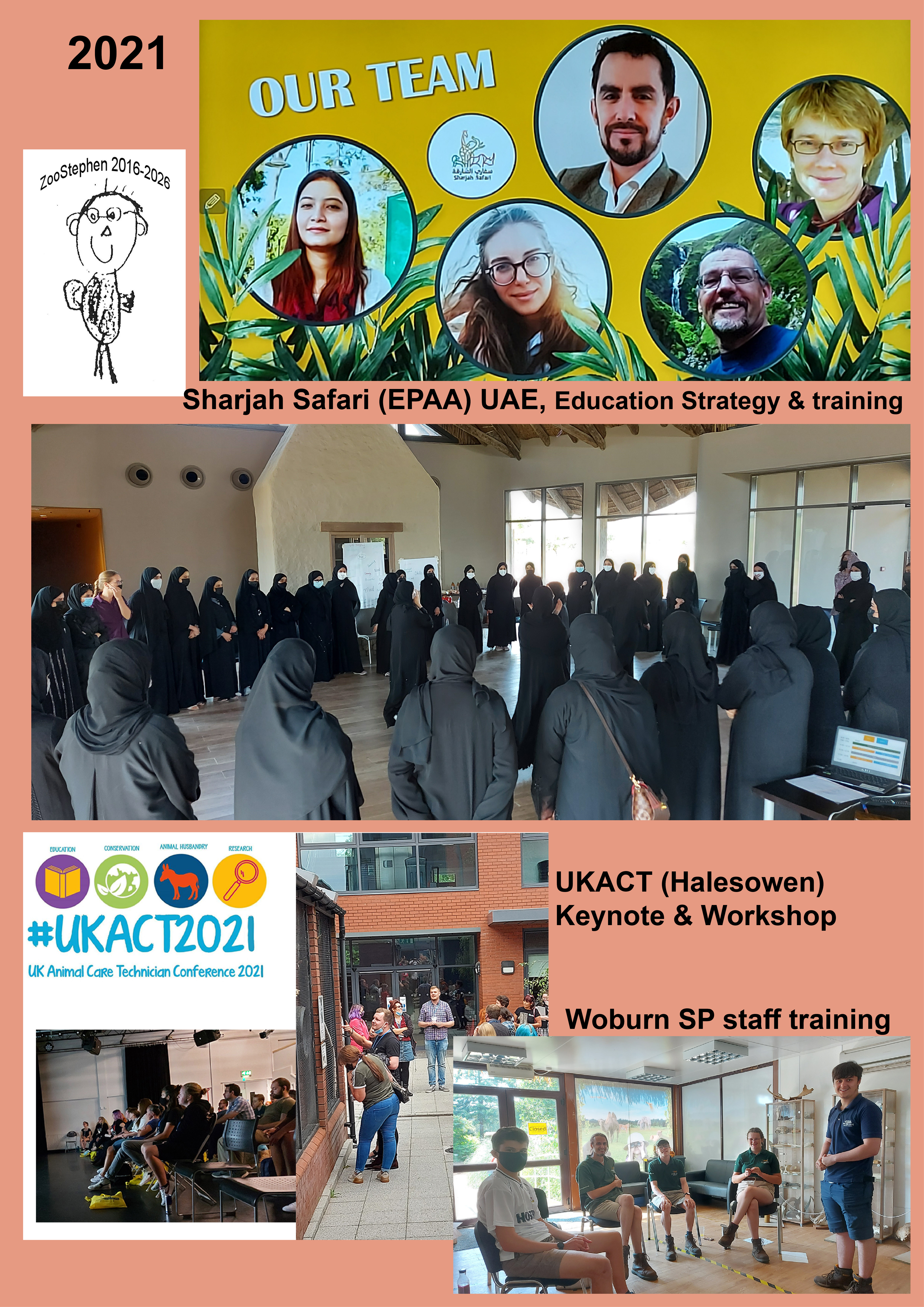
A few zoos and colleges asked for workshops and advice which continued. By chance I was invited to comment upon educational development for Orangutan Haven by SOCP & YEL in Indonesia which led to some remote work. It would of course have been great to go out there. Covid restrictions limited opportunity for some time, however, it was also clear a lot of skills were there already. Whereas helping with the educational development at the brand-new Sharjah Safari was much better achieved with on-site support and working with the team.
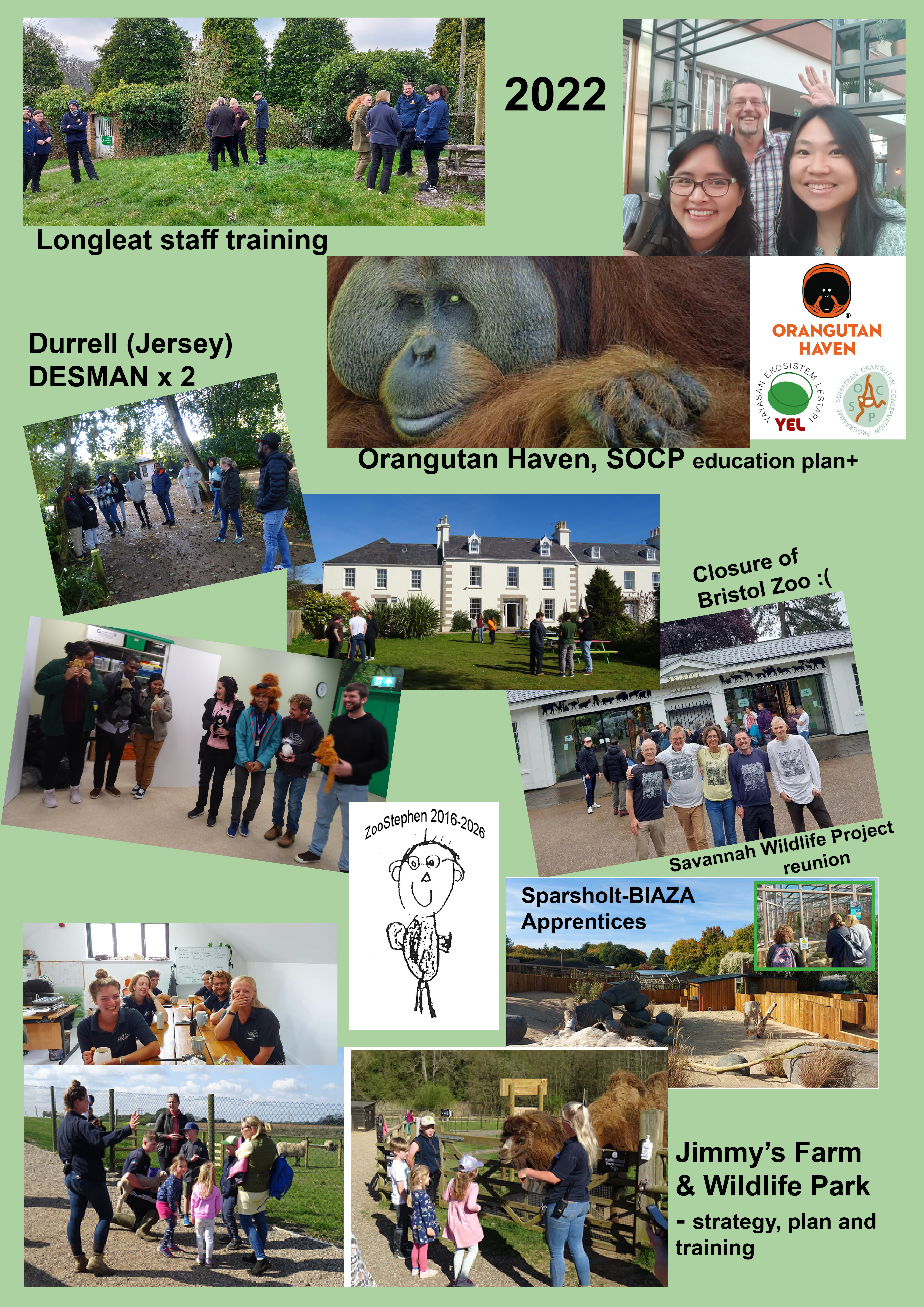
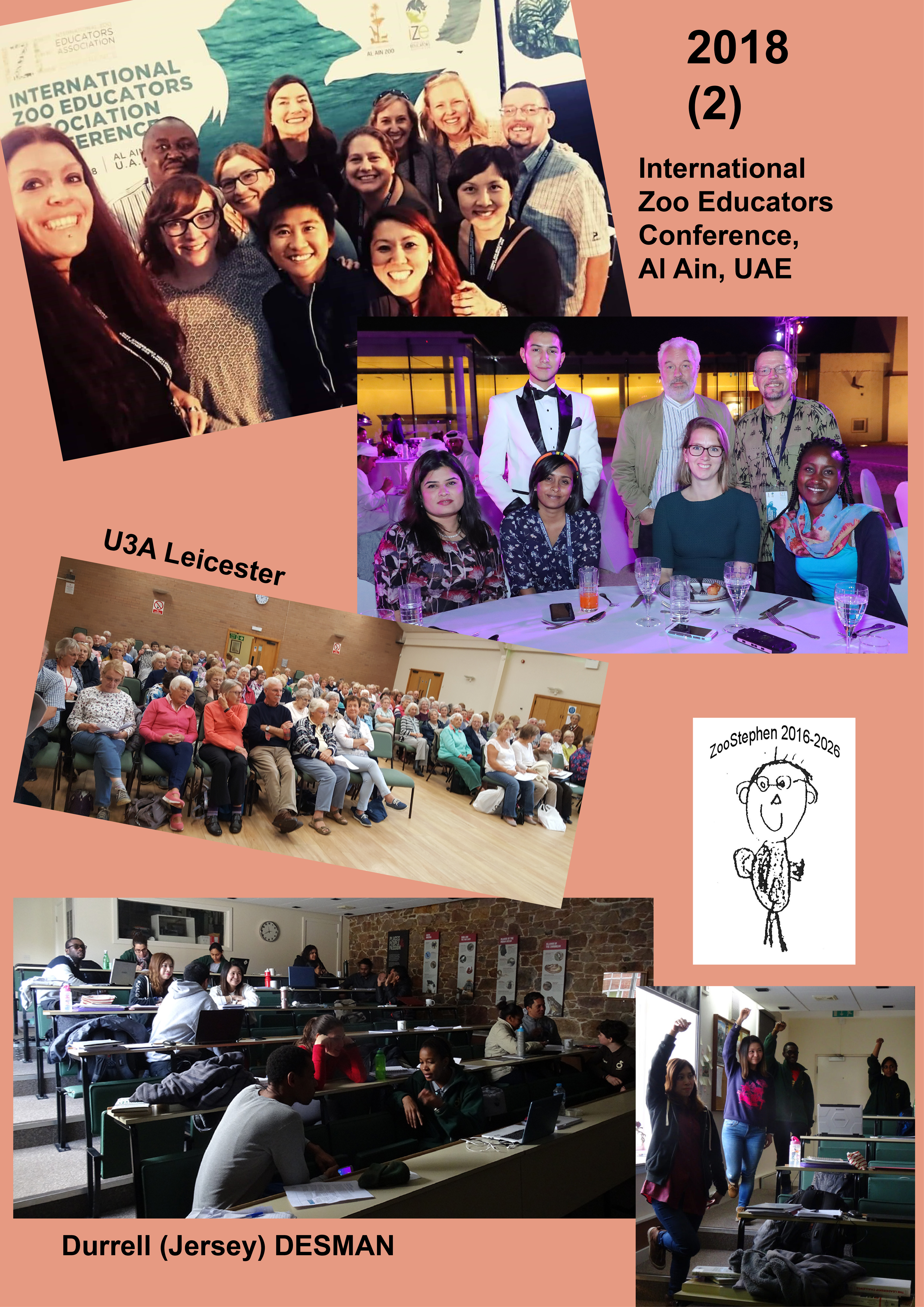
I remain connected to the zoo community, albeit more remotely and infrequently than in the past. However, it has been lovely to engage via the International Zoo Educators association (and conference in UAE), ABWAK and the annual symposia – speaking at some; and the EAZA educators meetings at Skansen, Sweden and Chester UK. It has also been an honour to be at the inauguration of the UK Animal Care Technicians conference UKACT as keynote speaker (and workshop) and speak at the innovative 1st (and 2nd) Keeperfest at Jimmy’s Farm & Wildlife Park.
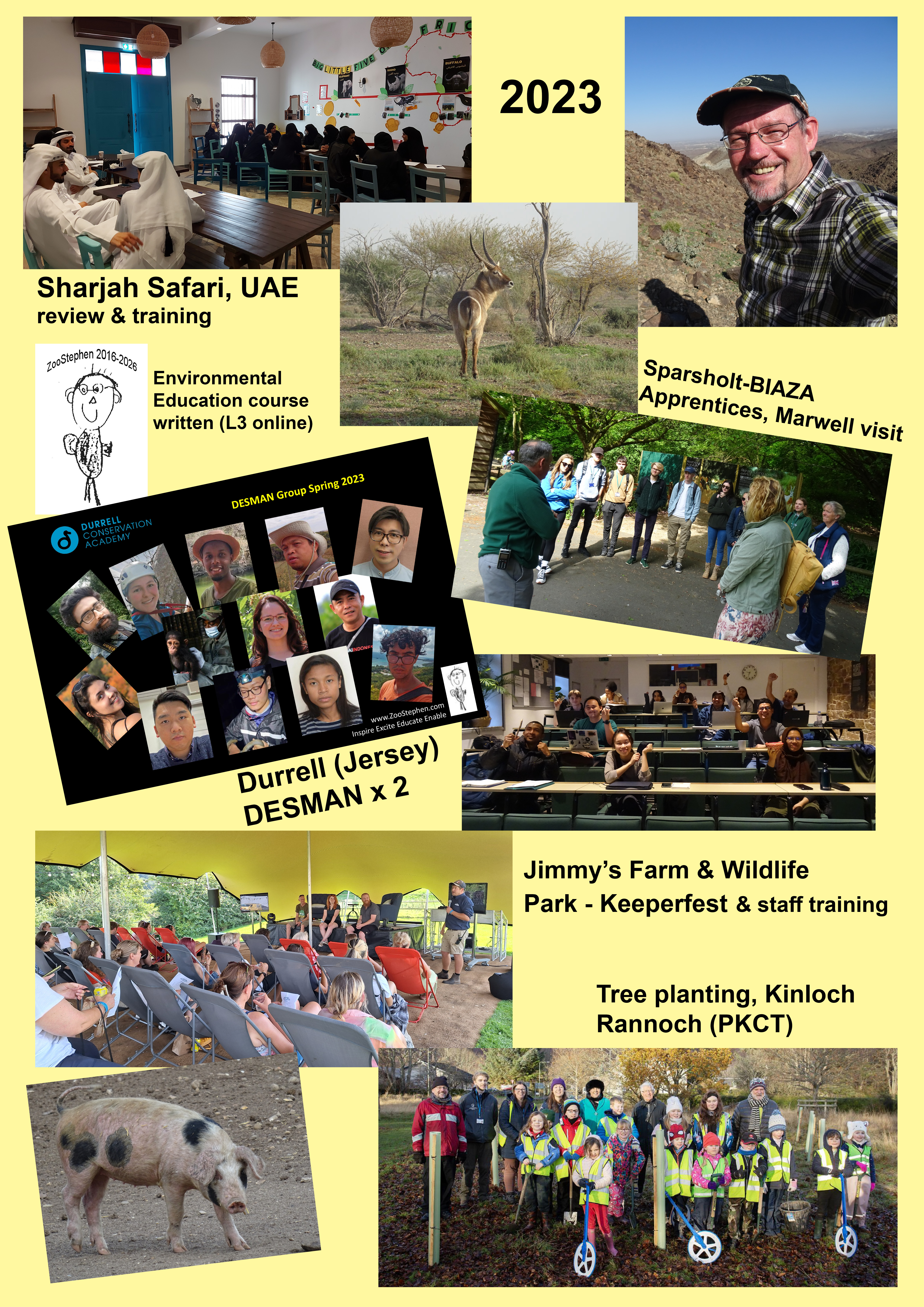
JFWP is certainly one of the zoos to watch over the coming years. It has been great to support them with education strategy, programme and plans as well as staff training, whilst seeing significant expansion in the Park’s operation and profile. The Meadows Wildlife Park in South Wales also provided another opportunity to work with a farm park (with some exotics) and help them with conservation and education requirements.
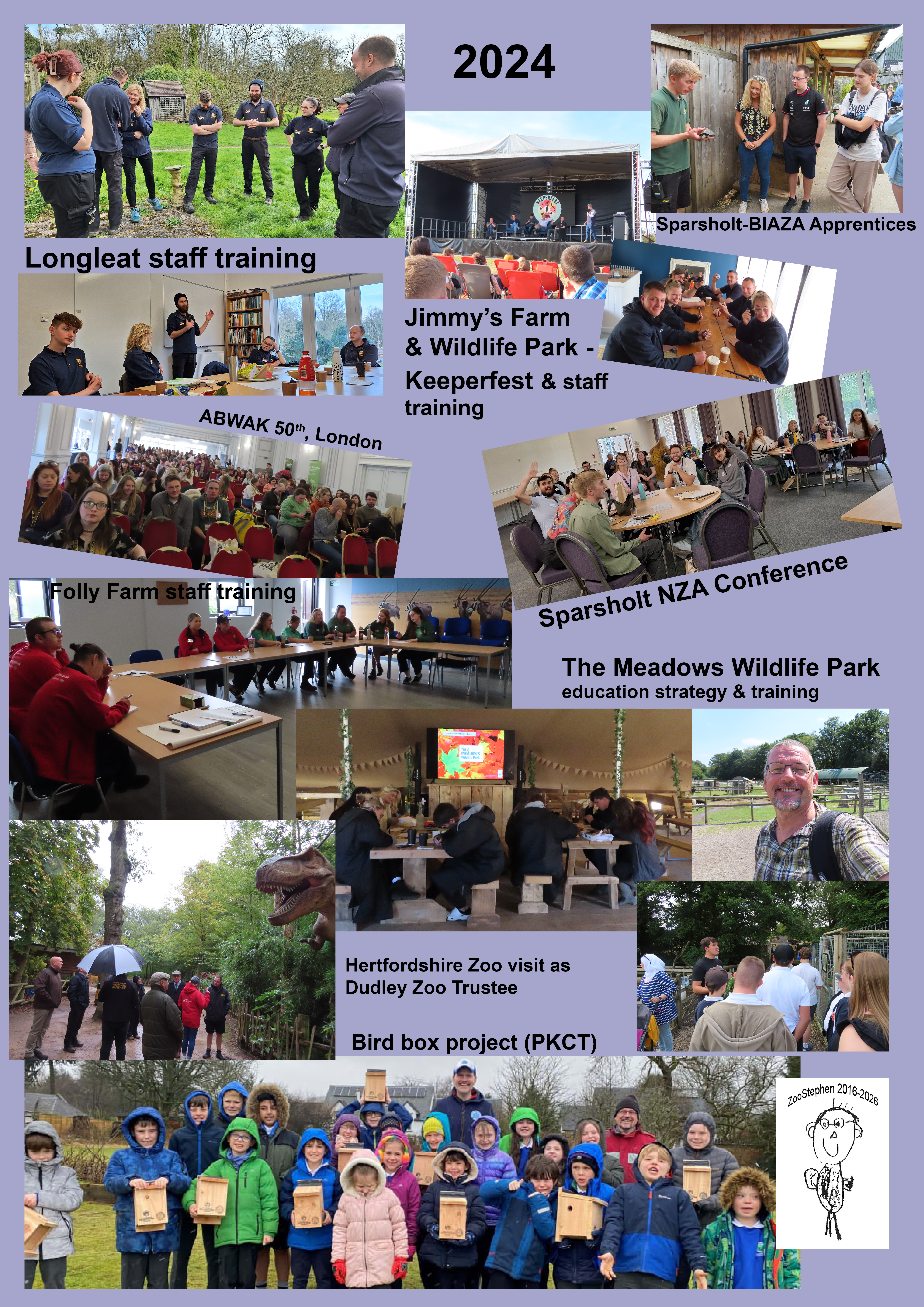
The last few years have seen more difficult times. The demand for training and development is limited, and budgets tight. I have taken advantage of a few opportunities but my focus and priorities have also been more personal with family deaths. I also have the luxury of learning from covid-year that I can survive on very little. One of the things that has been of great help is my association with Sparsholt College and the UK zookeepers course since it started with them. The small amount of marking I do is enough to pay for council tax and heating every year.

Towards the end of 2025 and as we move into 2026 a new opportunity has arisen, thanks largely to my friend Daniel, with the Life Science Education Trust from India to support the training and development of zoo staff from India, SE Asia and ultimately further afield. So far producing a suite of ‘online’ learning materials in an educators course, keepers course and a free webinar. This year also sees running a workshop at the ABWAK Symposium at Drayton Manor and another in Helsingborg for Swedish zoo staff in April.
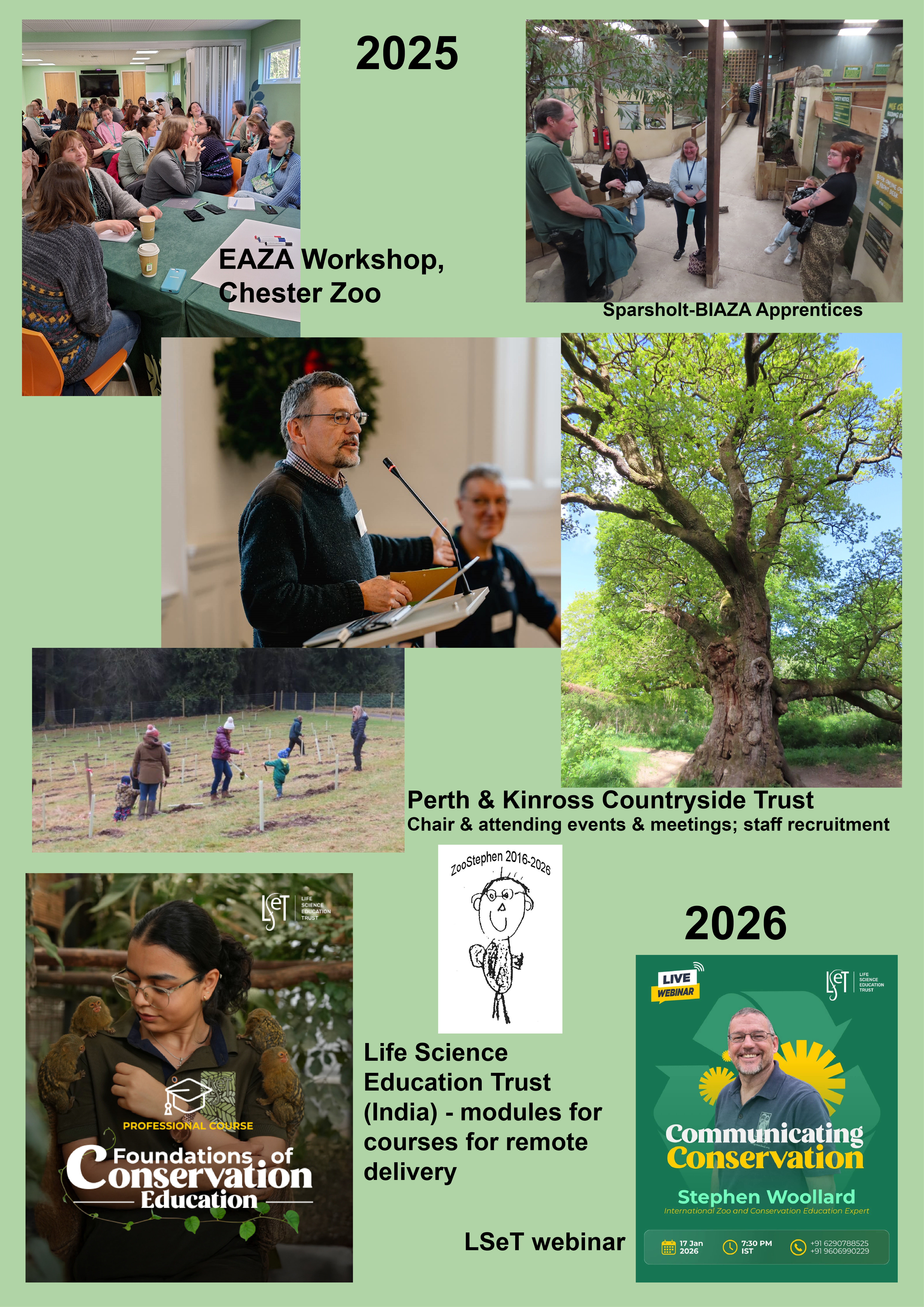
So these 10 years have been interesting and largely enjoyable. However, for any thinking this may be what you want to do it will only work if either you have the skills, contacts and energy to work at it and do a lot more or like me can live off savings and use the work to supplement ‘life’,

A big thank you to everyone that has supported and helped me. The ZooStephen story continues….
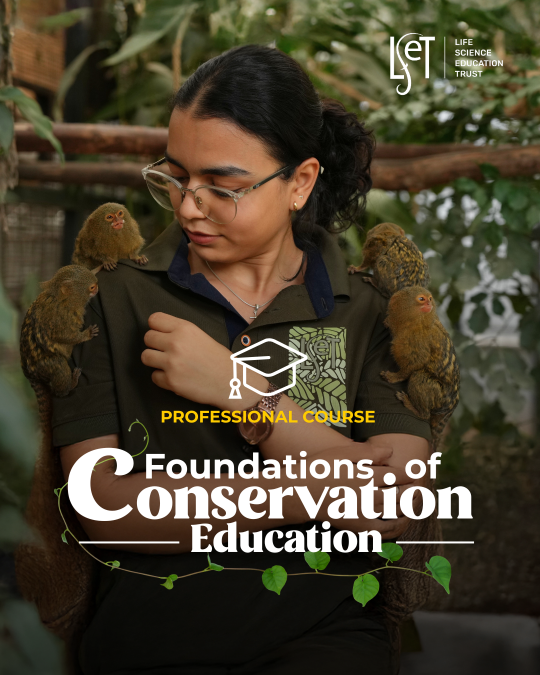
New Foundations of Conservation Education course

One of the collaborative projects I have been working on in the last few months is “going live” for full trial. Working with Life Science Education Trust – based in India – and with & for Daniel O’Loughlin (a former employee and colleague who I also worked with in Sharjah alongside Sofiia from Ukraine).

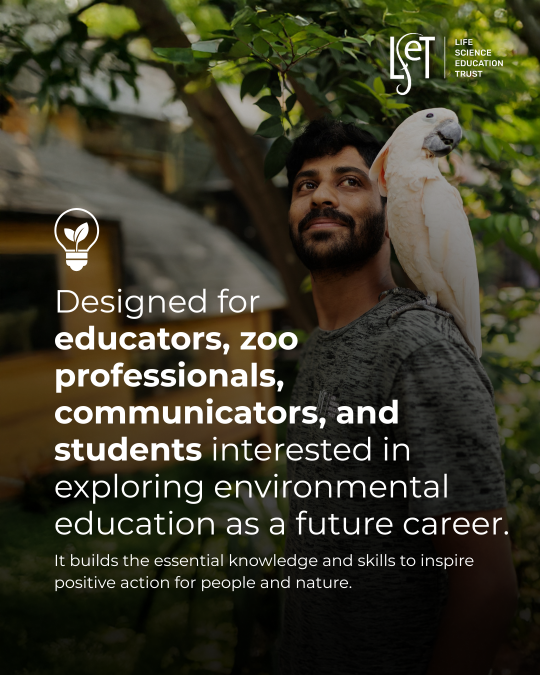
Our Foundations of Conservation Education course provides a gateway into the world of environmental and conservation education. Designed for educators, zoo professionals and students interested in exploring environmental education as a future career, it builds the essential knowledge and skills to inspire positive action for people and nature.

Sign up copy link: https://forms.gle/XK4eZFXHEJ5pXAa7A

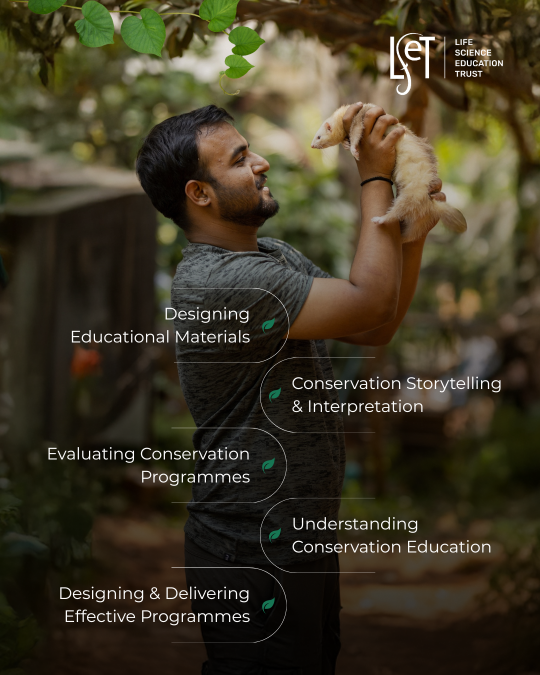
The course explores key themes across 5 units:
1. Understanding Conservation Education
2. Designing & Delivering Effective Programmes
3. Conservation Storytelling & Interpretation
4. Designing Education Materials
5. Evaluating Conservation Programmes

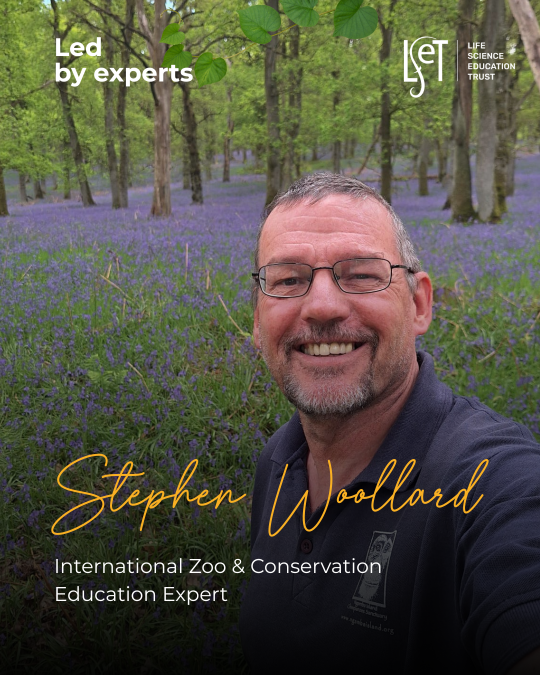
The course is taught by Daniel O’Loughlin, Stephen Woollard, Sofiia Pyshnieva & guest speaker Sophy Hughes in recorded lessons. Available online and the first 100 sign ups are free to trial the course and review it. Then it will be launched for all at a very low fee.

Autumn Reflections

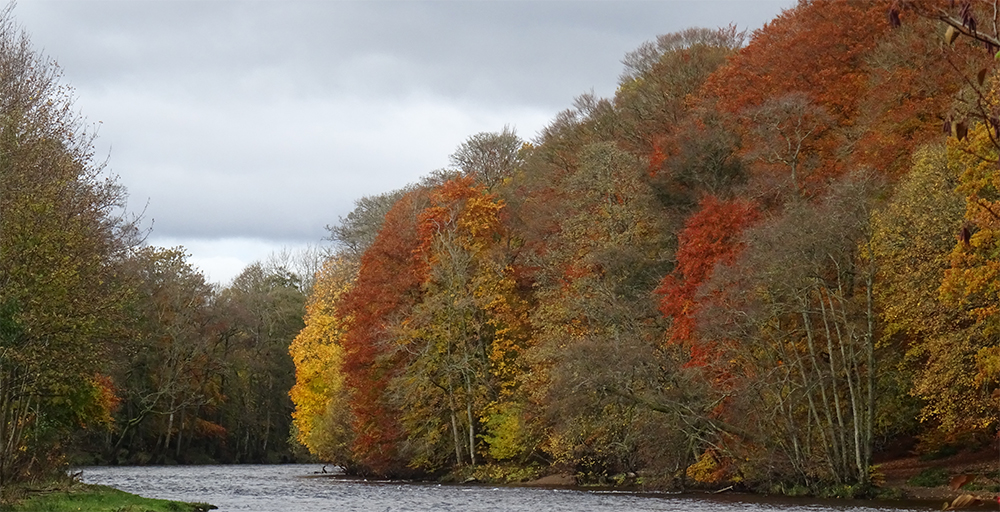
Autumn is a season of change and brings amazing colours, especially where I live in Perthshire, Scotland. It is a time to enjoy and celebrate, despite knowing the cold months of winter are coming.

Trees are under-appreciated and often ignored, unless they are ‘in the way’, present a hazard, fall after a big storm… but at this time of year many people do acknowledge them, enjoy their variety, size, colour and simple aesthetic beauty. You don’t have to know or understand the science and process of leaf change to appreciate it, and its freely available to all – although I know some can find getting into the countryside more difficult.

Being Chair of Perth and Kinross Countryside Trust [PKCT] I have a role, alongside my fellow Trustees, in supporting and encouraging access to the countryside. We are fortunate to have a brilliant small staff team and the support of various Trusts and organisations to pay for their work. So thanks to them. Many people will enjoy a country walk, cycle or ride, or just a stop at the views and not know that PKCT has had a hand in helping them. Our public-facing activity is gaining profile, especially beginning to attract a younger audience, with ‘Discovery & Engagement’ activity including a Watch group, tree-planting and a Youth Council. So I am hopeful for the future.

Encouraging an interest in nature and the countryside can also begin with a small patch of garden, the local park, having a pet to care for, visiting a zoo or farm park.

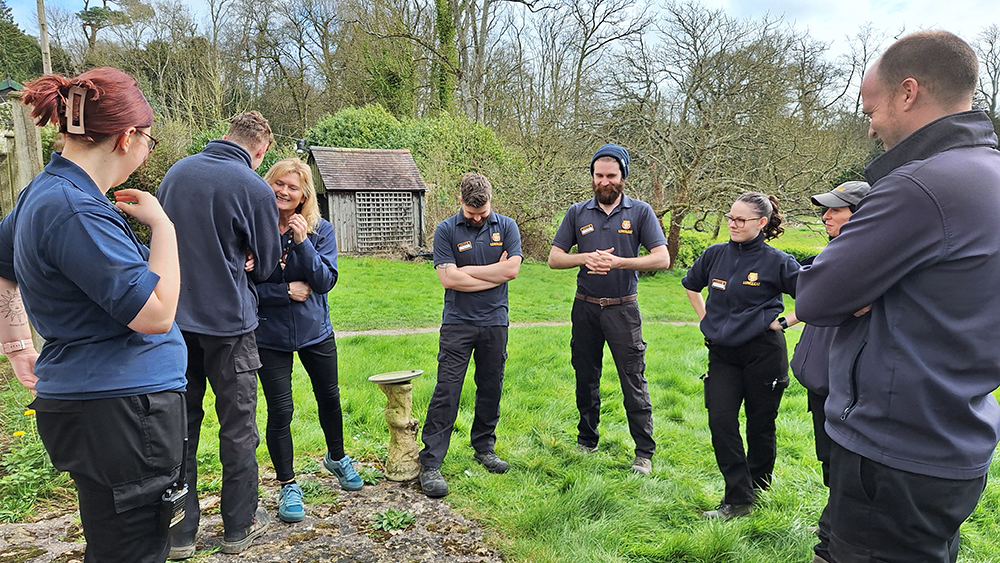
At the start of October I was in South Wales and made a return to the lovely Meadows Wildlife Park near Caerphilly. It was great to work with the staff team and help develop their public engagement, education and communication skills.

The Park’s rebrand in late Spring has been very successful with lots more visitors through the summer and there is continued development of the site for enhanced animal and visitor experience. The staff team are friendly and enthusiastic and it was great to work with staff from a range of roles. It was also so nice to receive a message of thanks afterwards that included:

“Your deliverance of excitement and enthusiasm teaching the team to be confident and inspire interest in educating and welcoming our visitors really nailed the brief.”

Spring – History, Countryside & Training

The seasons change again, although we can’t rely on specific dates or equinoxes to fix these changes. Climate change is having an impact, weather patterns and an unusually wet winter are being commented upon and recognised. However, action to mitigate these changes is still slow and the subject of political position and decisions.

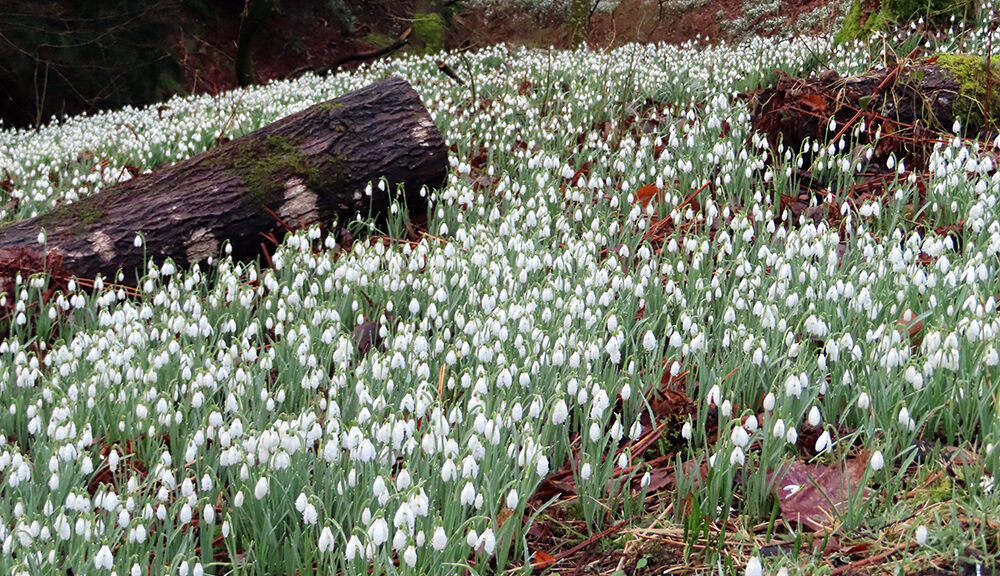
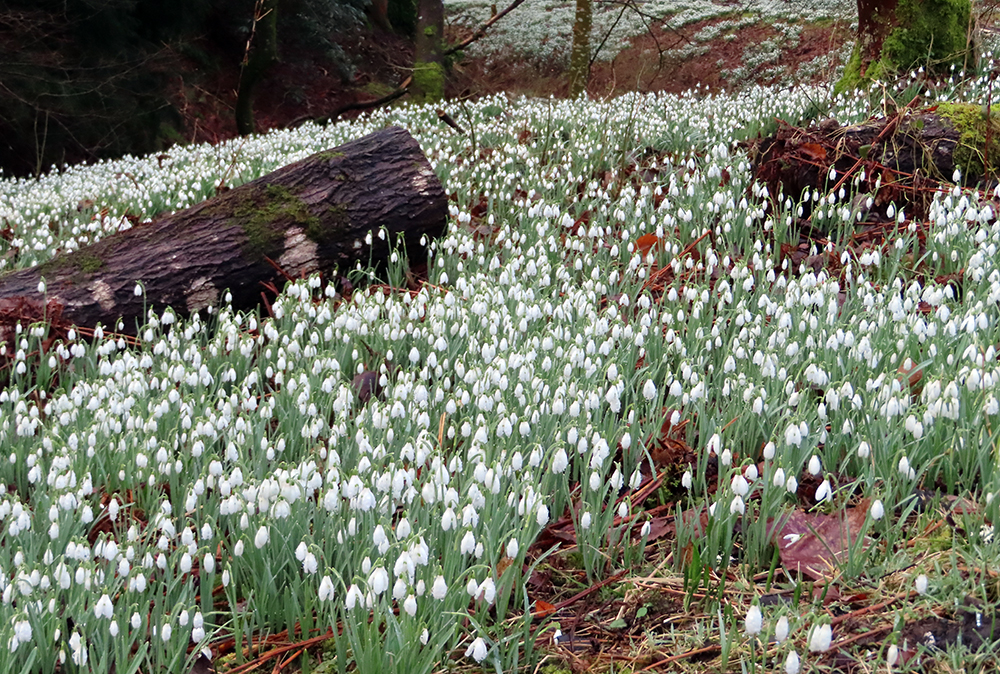
The snowdrops looked wonderful all through February with a great display as usual at Scone Palace estate near Perth. This is also the ancient crowning place of Scottish kings (including Macbeth and Robert the Bruce) – where the Stone of Scone was used before being taken by Edward I to England. It was repatriated to Edinburgh Castle in 1996. As I write this the Stone has moved from Edinburgh to its home in the new Perth Museum.

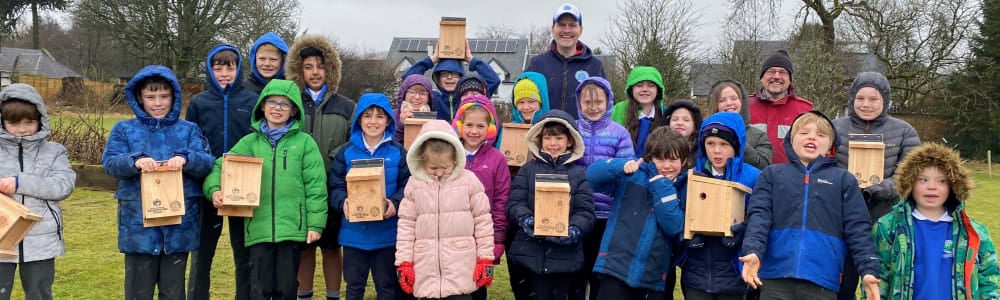
It has been another good start to the year for the Perth and Kinross Countryside Trust, that I am honoured to Chair. The River Tay Way project has a new ‘hub’ public facility in Aberfeldy. Trees planted last year and this are growing and the Perthshire Nestbox project has delivered boxes to schools across the county (Fossoway Primary illustrated), and much more. Our funders and small staff team enable us to achieve a great deal for the people and countryside of Perth & Kinross.

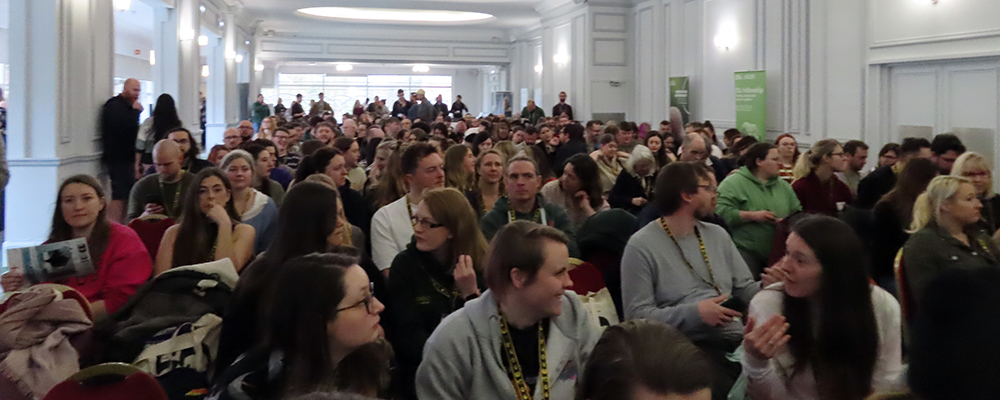
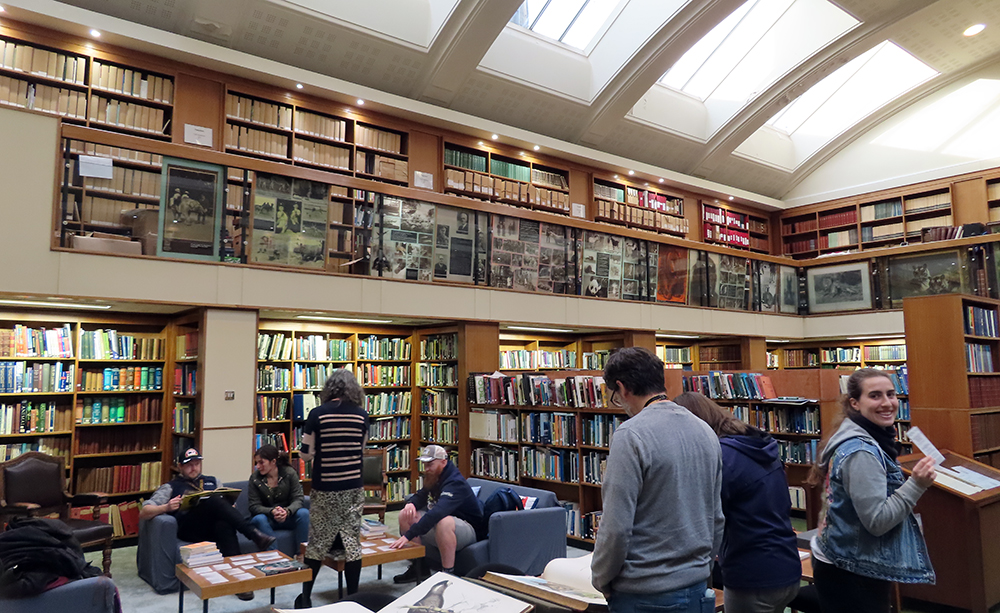
This year also marks the 50th anniversary of ABWAK, the UK zookeepers association. I have been a member since 1987 and served on Council 2003-17, and was delighted to be invited to attend and speak at the Symposium held at ZSL London Zoo at the start of March. It was made extra special with the attendance of Jon Barzdo, founder of ABWAK. History is a key feature of the Regents Park site, including the ‘Lubetkin Penguin Pool’ (made from reinforced 1930s concrete that features heavily at Dudley Zoo). The ZSL Library was also good to visit again – not least to see some of the historic books and documents, including a 1st edition of Darwin’s On the Origin of Species’.

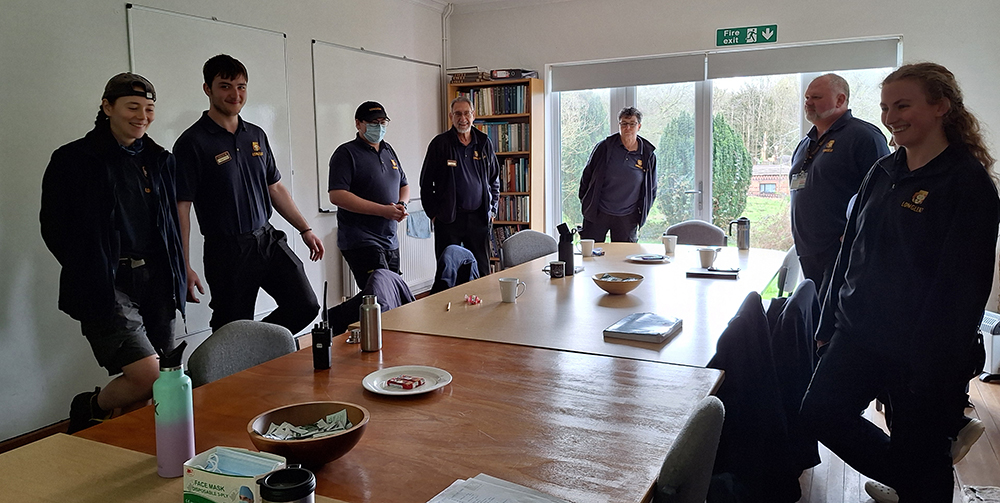
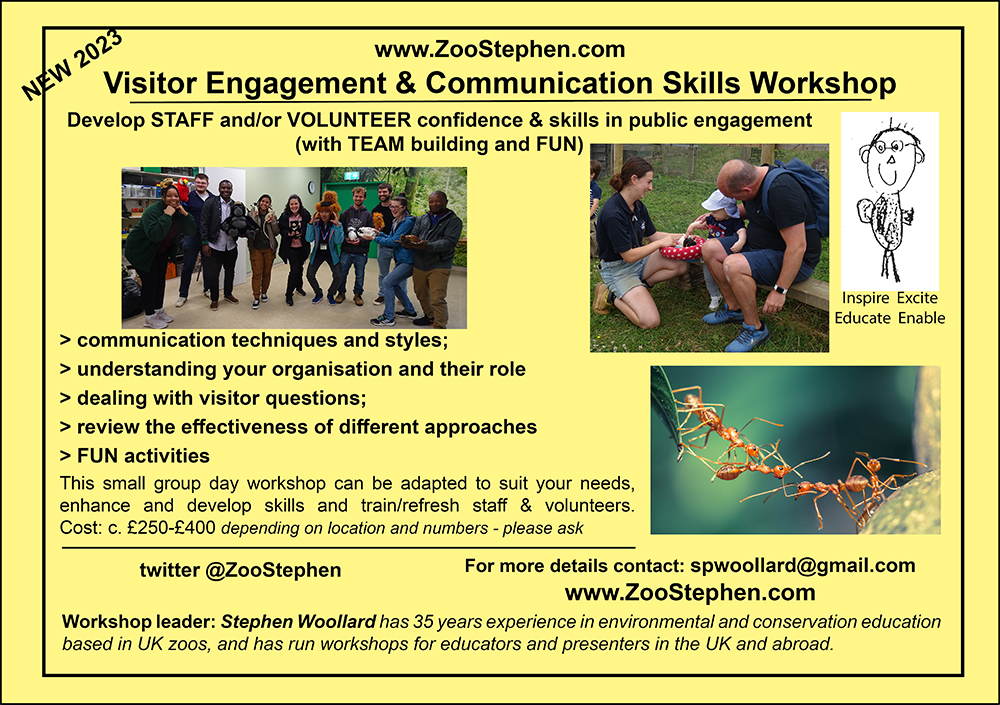
This March I was pleased to be asked to return to Longleat in Wiltshire to run my staff Communication & Presentation Skills workshops. It is always a pleasure working with the staff and team here supporting their public engagement, conservation messaging, customer care and professional development. The interactive workshop is always FUN and in the words of Darren Beasley, Head of Animal Operations:

“Longleat benefits not only from his expert knowledge but also receives a bespoke training package created on education, presentation and communication skills for our animal department gang. Those attending receive a full day of engaged learning, new skills and leave with confidence to deliver presentations to a high standard.”

This month I was also able to do a ‘guest training talk’ online to the team working with Luke Harding at Mandai Wildlife, Singapore Zoo & associated sites. It’s great that we can use technology to deliver training like this across the world. It is more effective in person and on site, however, there are benefits that can be gained from remote ‘teaching’ too.

New Year Resolutions?

The end of another year and it has been a challenging one in many parts of the world, not least with continuing war in Ukraine and the awful escalated Israel-Palestine conflict. At the same time the global threats to biodiversity and impending effects of climate change and seemingly weak response from world governments, don’t give much cause for optimism. We’ve also seen the power of ‘nature’ with flooding, landslides, powerful storms etc. – and there is stronger evidence to suggest these weather patterns are linked to human impacts on our planet (climate change especially).

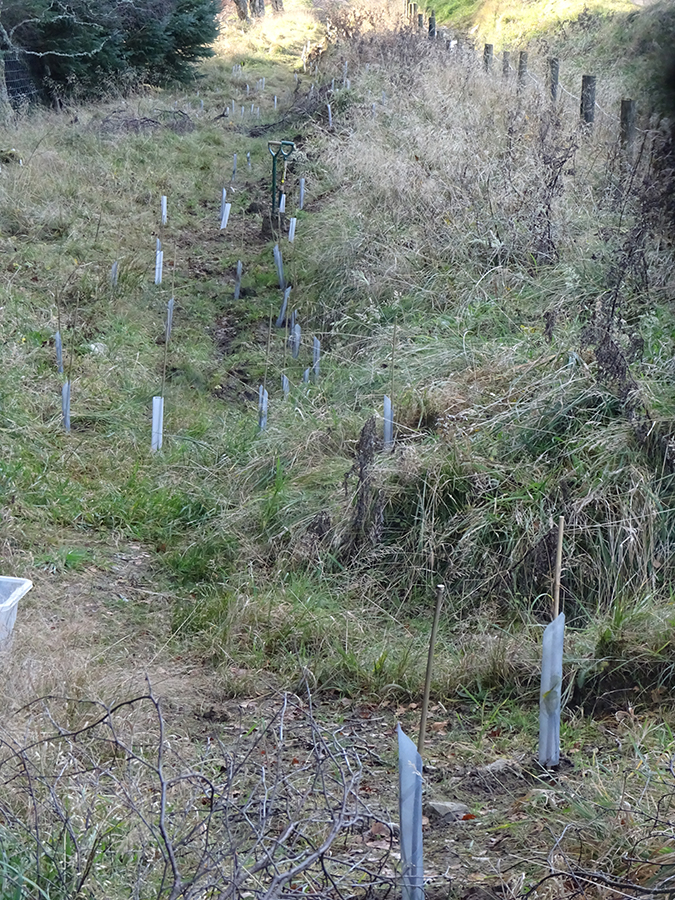
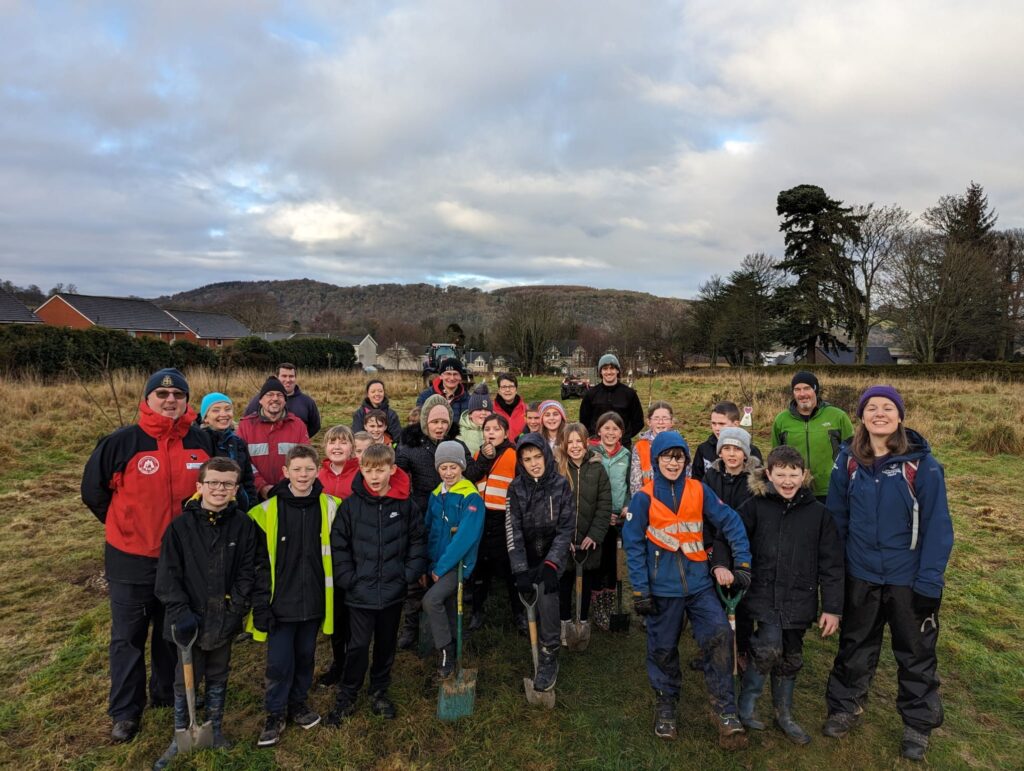
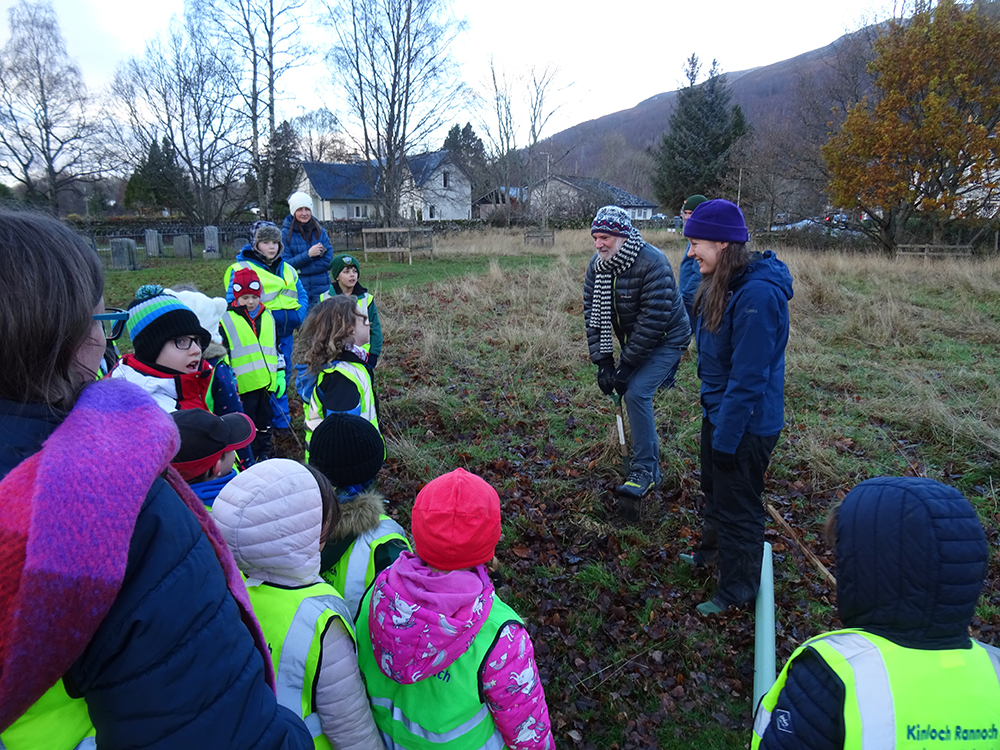
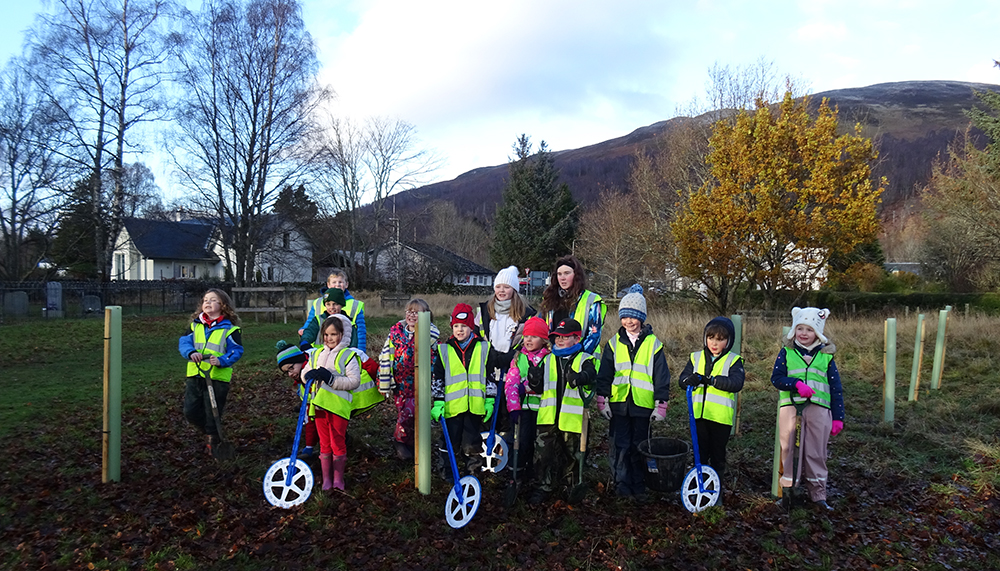
Recently however, I have been heartened to see and be involved with the ‘Tree for Every Child’ initiative of the Perth and Kinross Countryside Trust that I currently Chair. It was great to help plant trees at Glassie Farm above Aberfeldy. Glenlyon Primary school had already planted some trees. Then in December, I joined pupils from St Madoes Primary in planting fruit trees in their village. Hopefully these young people will see their trees grow over the years (and get free fruit).

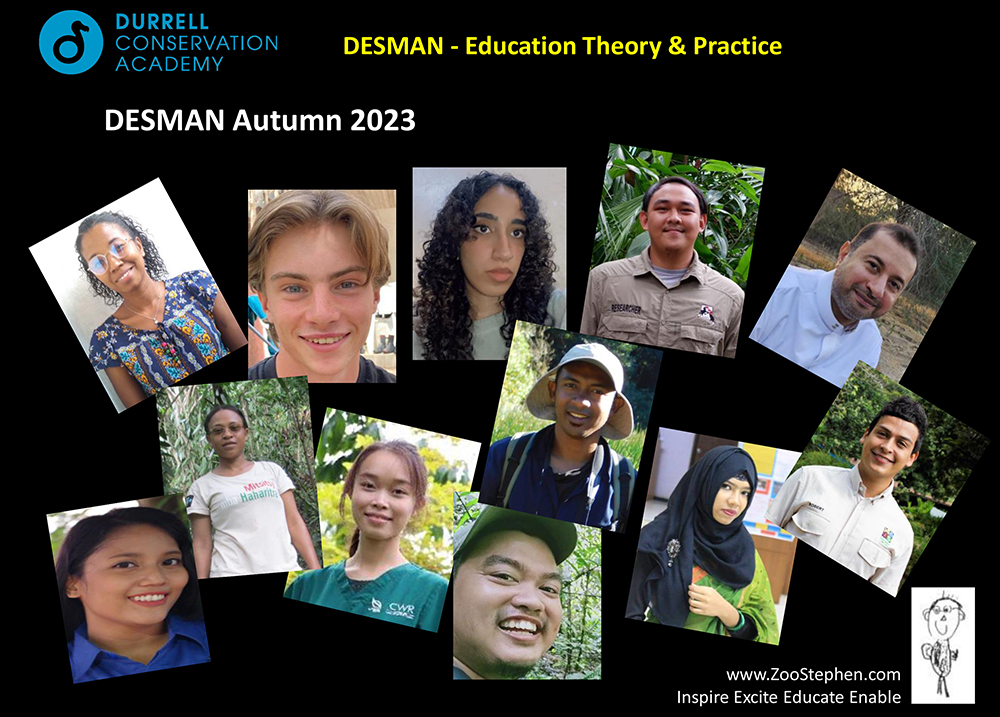
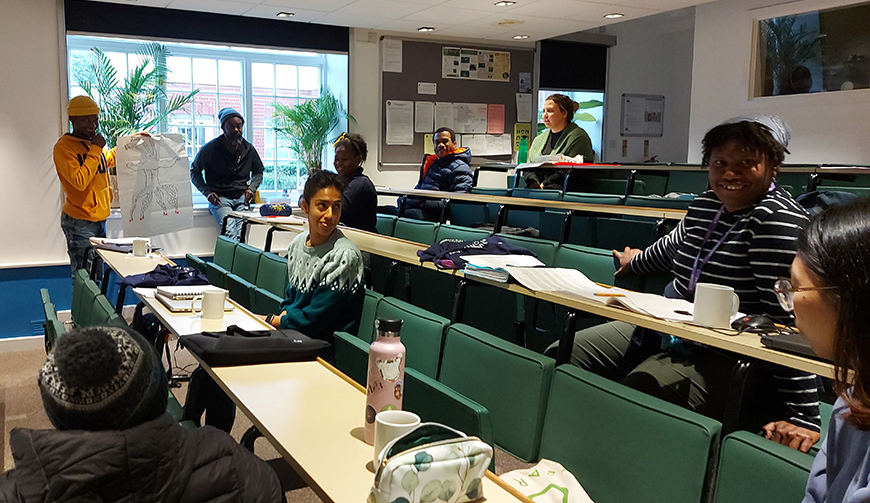
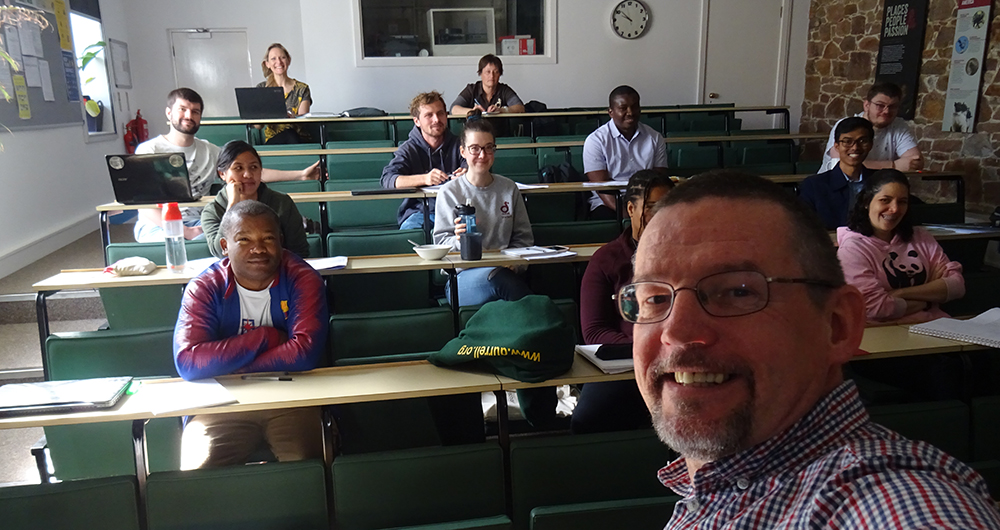
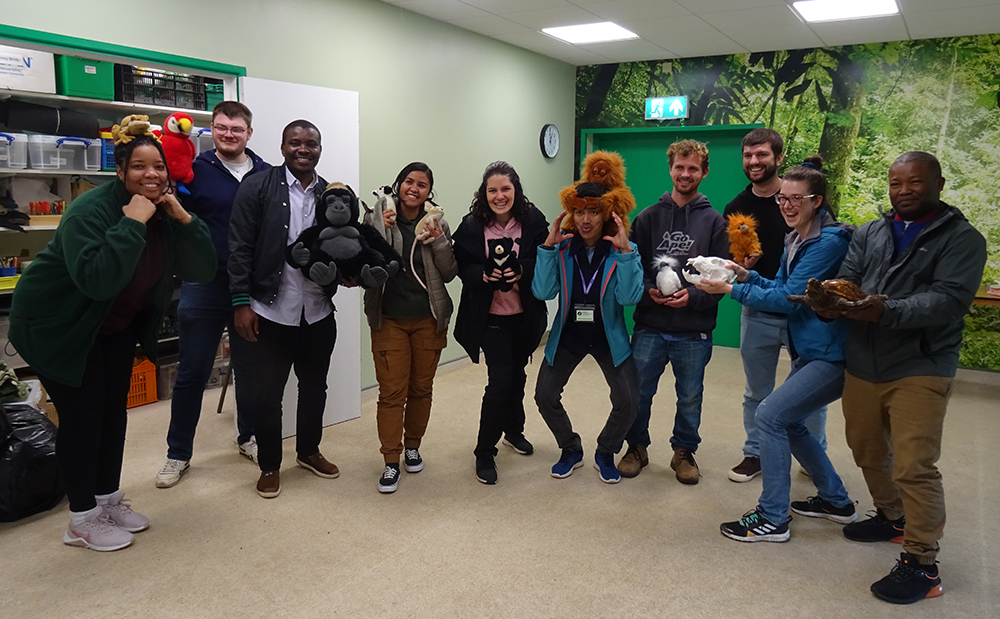
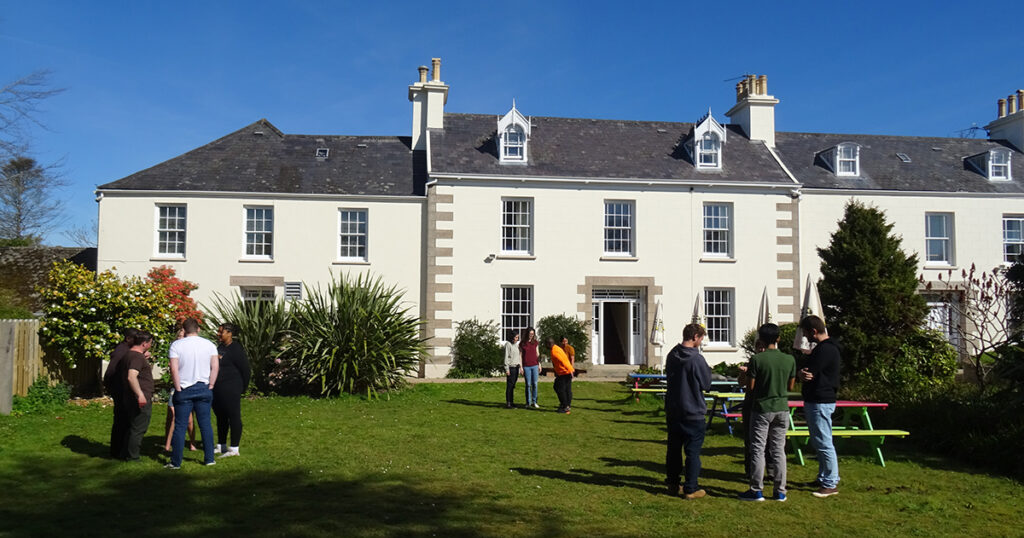
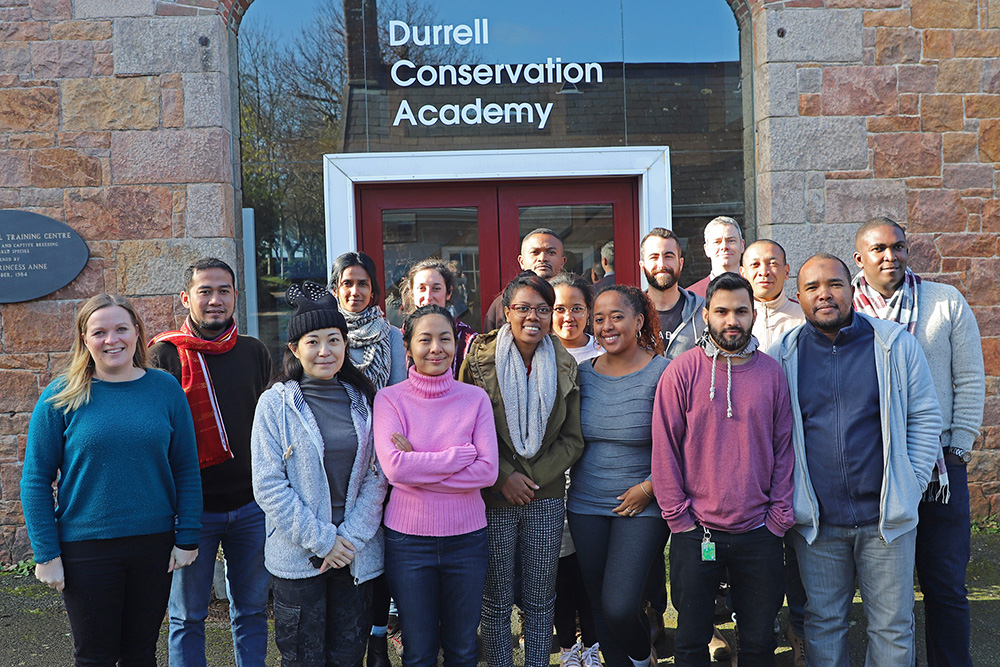
In November, it was good to get a big ‘fix’ of optimism by working with the latest group of students on the Durrell Conservation Academy DESMAN course in Jersey. As usual it was a fun few days covering theory and practice of environmental/conservation education and learning about the work of these inspiring people. The group this time were from Bangladesh, Colombia, Indonesia, Madagascar, Oman, Philippines, Saudia Arabia, Singapore and UK.

Meanwhile, a new group of zookeepers and volunteer keepers began their work on the BIAZA – Sparsholt College DMZAA and CMZAAV online course and its great to be an assessor on year 1 once again.

So as Christmas comes and goes and we celebrate the arrival of 2024, what new resolutions should we have…. be happy, be positive, be optimistic and look forward to continuing to enjoy nature around us and celebrate those that are helping and making a difference.
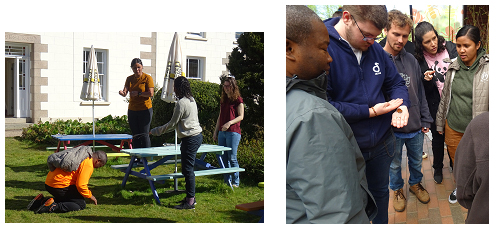
Plant a Tree & Sow a Seed for Conservation

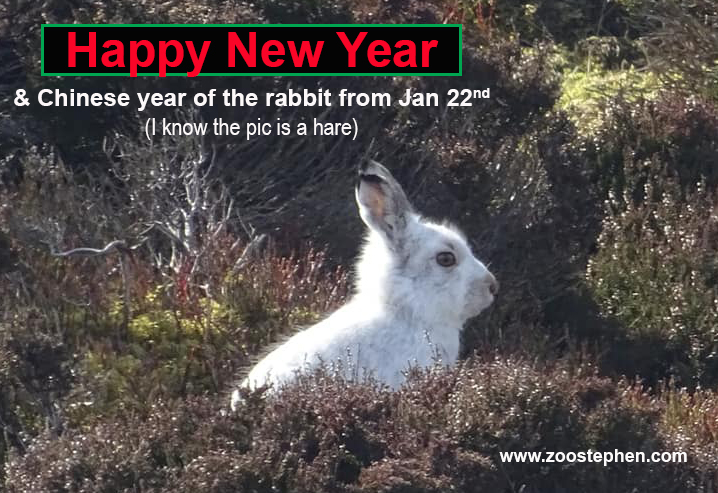
Happy New Year.

Bookings now being taken for all my talks and workshops in 2023 – see Talks and Services section of the website for a range of options. (Available across the UK and abroad).

Another year has passed and we look forward to the next. 2022 was one of many contrasts, from heat wave to big freeze, the passing of the Queen, and prime minister to prime minister (and again). Of course the dreadful invasion of Ukraine by Putin will scar the year’s memory.

Thankfully there were some good things in 2022 – some reported in previous blogs. I was very happy to return to Durrell Conservation Academy, Jersey, in November to work with a new group of Diploma in Endangered Species Management (DESMAN) students from around the world. Participants this time were from Brazil, Montserrat, St Lucia, Indonesia, Colombia, South Africa, Costa Rica, Seychelles, Philippines, Tanzania and Papua New Guinea.

The 2nd DESMAN group in Jersey this year

The enthusiasm and commitment of these students is always great and we had fun exploring theory and practice of conservation education. The weather (for me) was good, some rain showers, but generally mild, whereas the DESMAN group said it was too cold 🙂 Back in their home countries they will make a difference in a wide diversity of projects and conservation initiatives.

PKCT Patron Cameron McNeish & Discovery, Learning & Engagement Officer, Catherine Leatherland demonstrate the ground prep for tree-planting with Kinloch Rannoch Primary pupils

In December I had the honour of becoming the Chair of the Perth & Kinross Countryside Trust and was delighted to take part in a tree-planting with pupils from Kinloch Rannoch Primary School. The young trees (whips) donated by the Woodland Trust and also marking the celebration of the Queen’s Jubilee and now in her memory as part of the Queen’s Green Canopy, are part of our ‘Tree for Every Child in Perthshire‘ project. It was great to see the pupils enthusiasm as they all planted a tree in their local park. Great to think these trees will be there for their children to play around in years to come.

We are often faced with ‘negative’ and bad news stories, so the simple act of planting a tree is a positive conservation action that can make a difference, help in mitigation of climate change, encourage biodiversity and wildlife, as well as contribute to the community. Sowing wildflower meadows, having areas set aside in gardens etc are also to be encouraged.

With PKCT we are particularly focused upon people’s access and enjoyment of trees and the countryside, and Perthshire is a great area to get out and explore. I look forward to many days out and about across the county, the rest of Scotland and further afield in 2023.

Discovery & Learning in and for Nature in the 21st Century

Children today have a different outlook, expectations and lived experience than when I grew up through the 1960s and 70s. In some ways it was simpler – no mobile phones, computers or social media for a start, let alone just 3 TV channels – and even then not available 24 hours a day. However, I also remember the 70s oil crisis and ‘rationing’ of power, rise and fall of governments (although nothing like the political mess we have today), strikes and inflation.

It is too easy in a world of constant news and social media to dwell on the bad things, as much as they are of serious concern, thankfully nature is still all around us.  Despite some serious issues with exploitation of natural resources, climate change and human population growth, children (and all of us) can still enjoy the wonder of a dandelion, a tree, wildflowers, a blackbird, frogspawn and much more. 

Jimmy’s Farm and Wildlife Park [JWFP], Ipswich, Suffolk, offers engagement with life from farm, local and international species as well as opportunity to consider our relationship with nature. Farming with rare breeds and traditional methods reconnects people to where their food comes from and how careful stewardship of the land supports future generations and continuation of nature.

Jimmy’s Farm & Wildlife Park

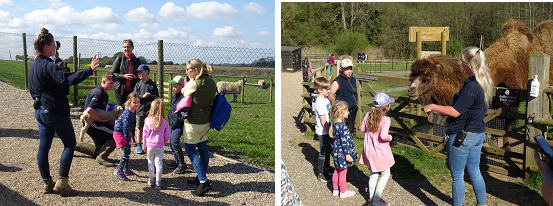
Working with the team at JFWP we have created a new ‘Share the Good Life’ Discovery & Learning programme offering a diversity of workshops for all ages and abilities. Using the unique resources of the Park – primarily the animal collection and skilled team of staff – the programme enables groups to have a focused visit, supporting learning needs, but also encouraging enjoyment and experience of nature.

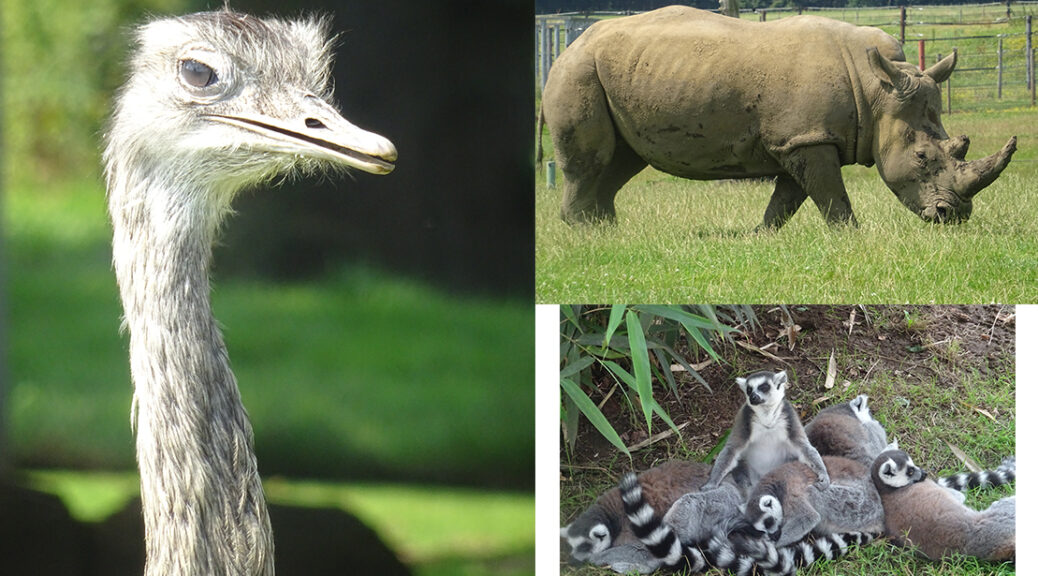
Jimmy’s Farm and Wildlife Park also has daily talks and activities for visitors and it was wonderful to provide enhanced presentation and communication training for the team over a week spent at the Park. Being a farm park and wildlife centre means the range of species and stories for public engagement is diverse, from rare breed sheep and goats to butterflies and lemurs. The connection between all is inspiring and exciting people about nature and our relationship with life on earth.

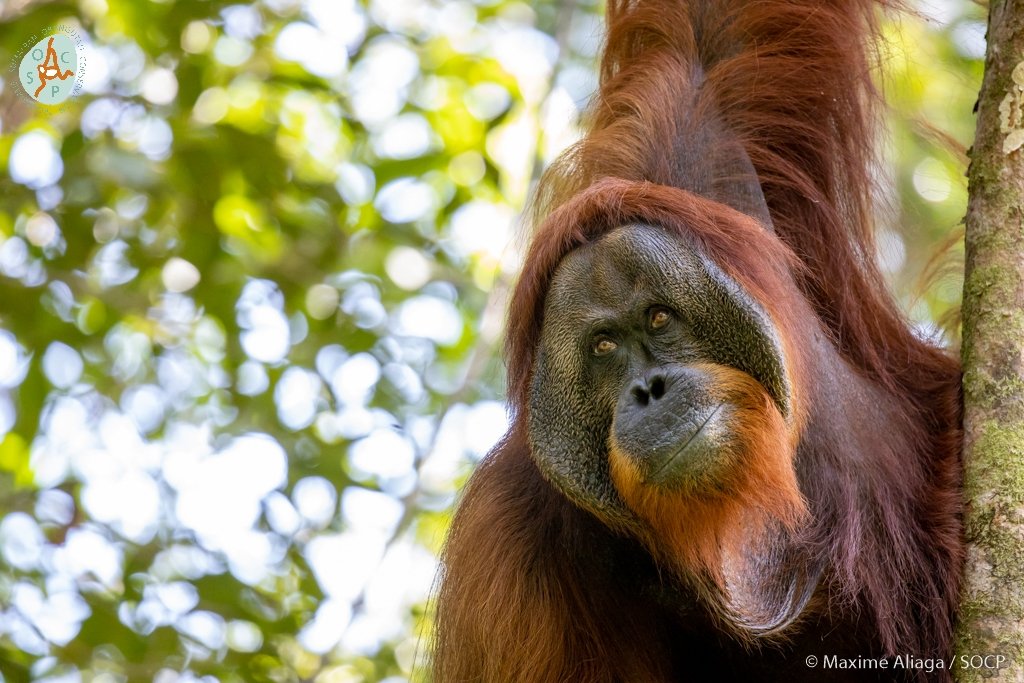
Sumatran Orangutan Conservation Programme – Orangutan Haven

On the other side of the world in Sumatra, Indonesia, an amazing new facility, Orangutan Haven, is nearing completion. The Sumatran Orangutan Conservation Programme [SOCP] with partners Yayasan Ekosistem Lestari [YEL] and PanEco funding have created a fantastic home for a number of orangutans that cannot be returned to the wild due to the injuries and trauma they have suffered.  See sumatranorangutan.org

Orangutan Haven provides a wonderful unique opportunity for public engagement and education and a window into the wider work of SOCP. The 48 hectare site in the forest but not far from the city of Medan, includes island habitats for the orangutans, some aviaries, an eco-farm and visitor facilities. I have helped them to create an education masterplan and supported the training and development of staff. The Haven will attract a diverse audience, but importantly this includes local rural and urban, subsistence and business, school and family, as well as some international visitors.

We talk a lot about behaviour change and conservation, especially in ‘western’ zoos’ programmes, and this is good but sometimes abstract. However, what makes the work of Orangutan Haven so exciting is that this is aiming to address things there ‘on the ground’ in the home habitat of the focus species with consideration to the actual needs and day to day lives of the local people and the big picture of forest conservation.

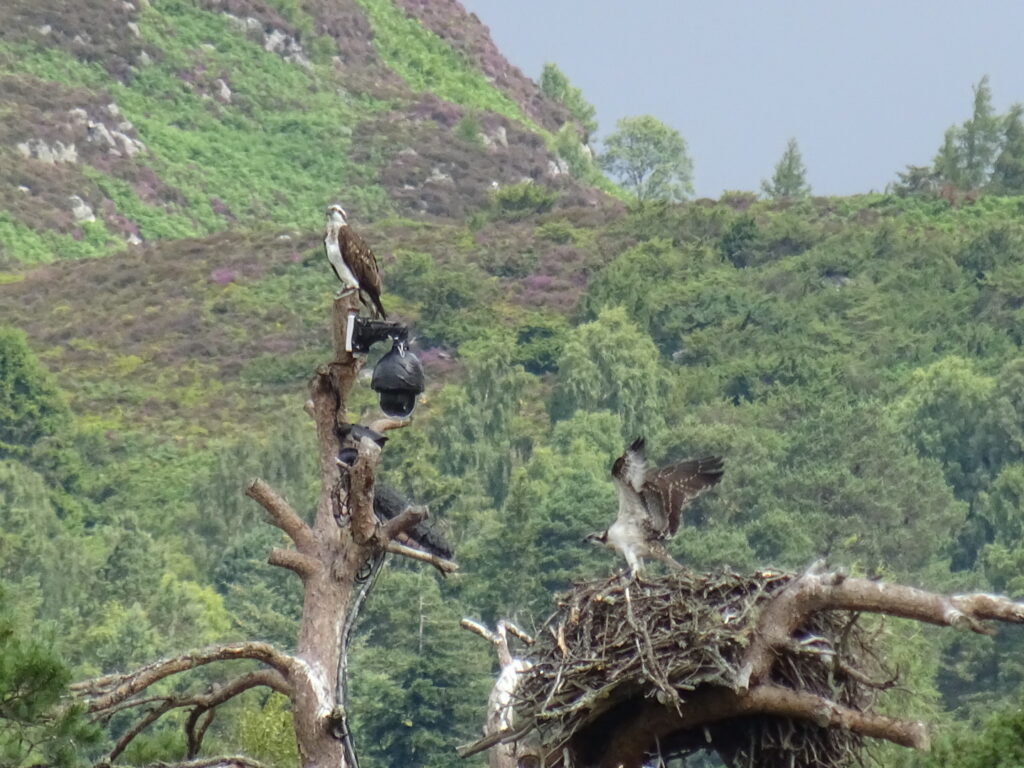
Osprey, Loch of the Lowes, Perthshire (female on post left, fledging chick on nest)

Back home in the UK, I was lucky to see the fledging of one of the osprey chicks at Loch of the Lowes this year and its been another great summer walking the hills, woods and coast. However, the summer has seen record temperatures and perhaps at last recognition that climate change is happening and could have serious implications. The risk of wild fires is high and made worse by the trend for disposable bbqs and at the same time, whilst its great people are getting out into the countryside, responsible use of and access to the outdoors is something people need reminding of or educating about.

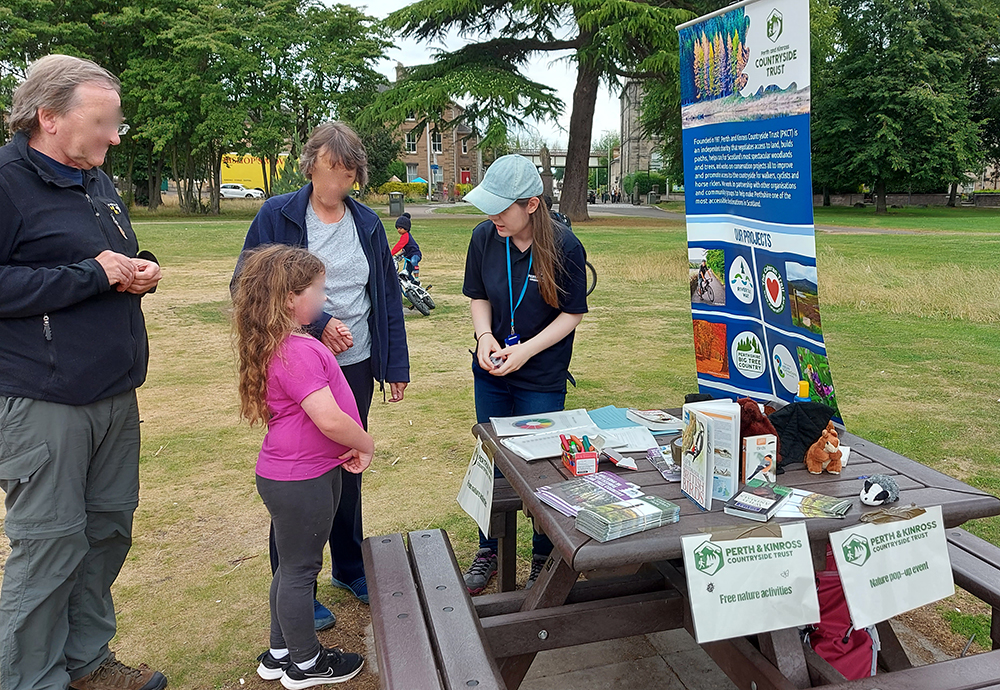
As a Trustee of the Perth and Kinross Countryside Trust it has been very encouraging to see our new Discovery, Learning and Engagement activities get underway after funding from the Gannochy Trust and support funds from Forteviot Trust. From youth engagement activity to a free nature discovery pop up in Perth.

PKCT engagement activity in Perth

It would be great if the wonder and enjoyment of nature as seen by a child can be nurtured and retained through teenage years and adulthood, building a positive relationship with the world around us.

DURRELL’S ARMY & JIMMY’S FARM

After a couple of years (due to covid issues) it was a pleasure to return to Jersey and the Durrell Conservation Academy and teach in person on the Spring 2022 DESMAN course.

Spring 2022 DESMAN participants having fun in the ‘Discovery Centre’

I am always inspired and enthused by the wonderful participants on this 12 week diploma course and it is an honour to work with them, and teach for a few days at the Academy that I saw opened by HRH Princess Royal with Gerry & Lee Durrell, as the International Training Centre in 1984. This year the group comprised participants from: Brazil, Canada, Colombia, Indonesia, Madagascar, Monserrat, Nigeria & Scotland and for some of the time joined by a couple of Jersey Zoo education staff too.

“Learning by doing” is largely the approach I take (although lecture is part of the delivery), and the students all engage well – for some they get pushed out of their comfort zone but building confidence in new areas.

The garden at the Academy provides a great place for outdoor learning when the weather is nice 🙂
Acting as a means of communication / meeting a cockroach 🙂

The DESMAN graduates have significant impact in the field in their careers and are part of ‘Durrell’s Army’ enacting conservation and saving endangered species and places. My workshop is designed to help them develop their communication skills and recognise the value of education as a conservation tool with a variety of audiences. A lot of examples are packed into a few days, including looking at public engagement in Jersey Zoo and case studies from around the world. My aim is to inspire, excite and enthuse through active education, enabling them to apply ideas in their own practice in future.

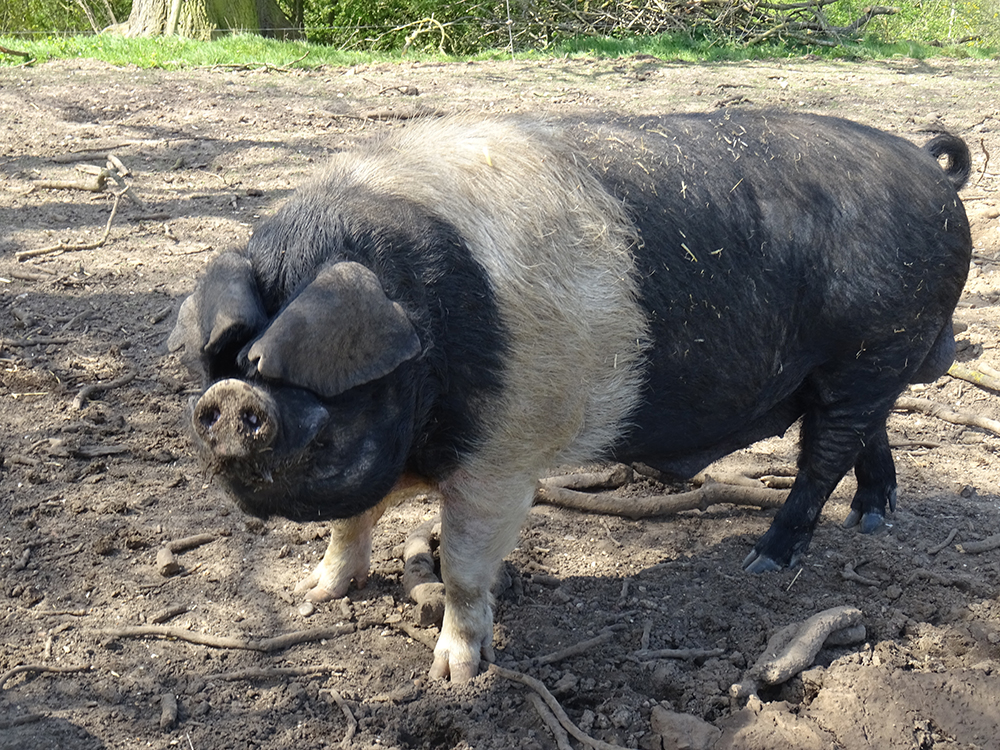
Saddleback pig – created from the few surviving Essex & Wessex saddleback pigs in 1960s

Not long after being in Jersey I headed to Jimmy’s Farm & Wildlife Park near Ipswich. The park is a working farm with rare breeds as well as having a growing wildlife park featuring a diversity of species. Rare Breeds of farm animals represent the ‘traditional’ stock and as the name suggests are ‘rare’ – largely because commercial farming has concentrated upon a few core varieties. Jimmy’s has a wonderful restaurant serving quality ‘home grown’ free range meat and promoting sustainable agriculture and good welfare.

Jim Doherty bought the derelict farm in 2002 and this featured in a BBC TV documentary and he has done various TV programmes since. The wildlife park aspects began in 2016 and now the site is attracting around 200,000 visitors a year!

The excellent staff team at Jimmy’s provide a great visitor experience and I’m pleased to be helping them redevelop their educational activities – talks for the public and a new school’s (formal education) programme.

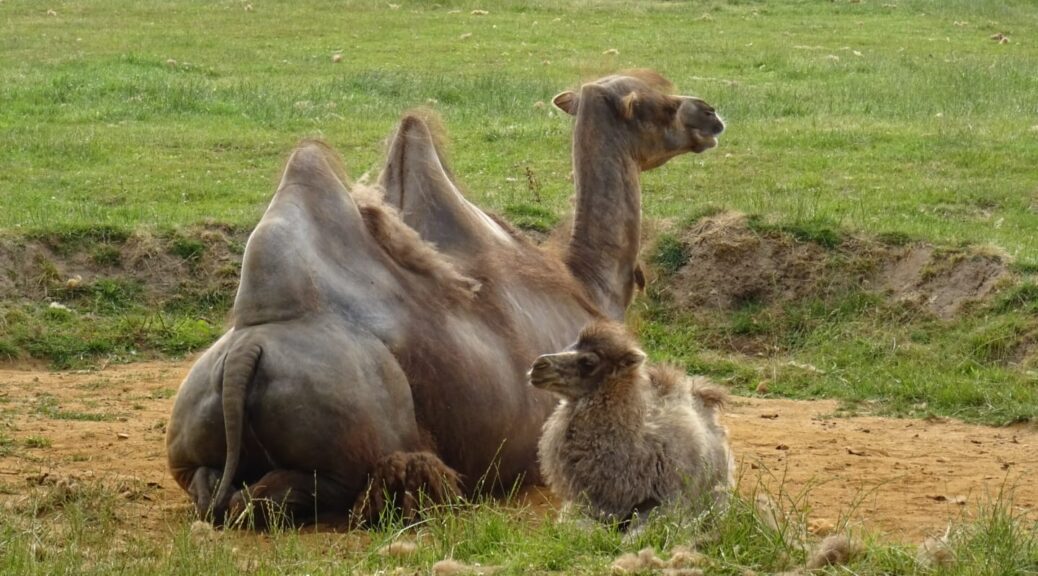
Being a farm and wildlife park presents great opportunities for engaging a diverse audience – and of course there is a big appeal to young children. However, the expanding wildlife park (includes tapir, macaque, camel, lemur, & zebra) and wonderful woodland area, provide potential with the farm for a meaningful consideration of our relationship to nature both local and global.

I look forward to returning to Jimmy’s Farm & Wildlife Park soon to support staff training and review the strategy and programme I have worked on for them.

Real People, Real Engagement… and more to come

July saw my first face to face engagements for over a year!

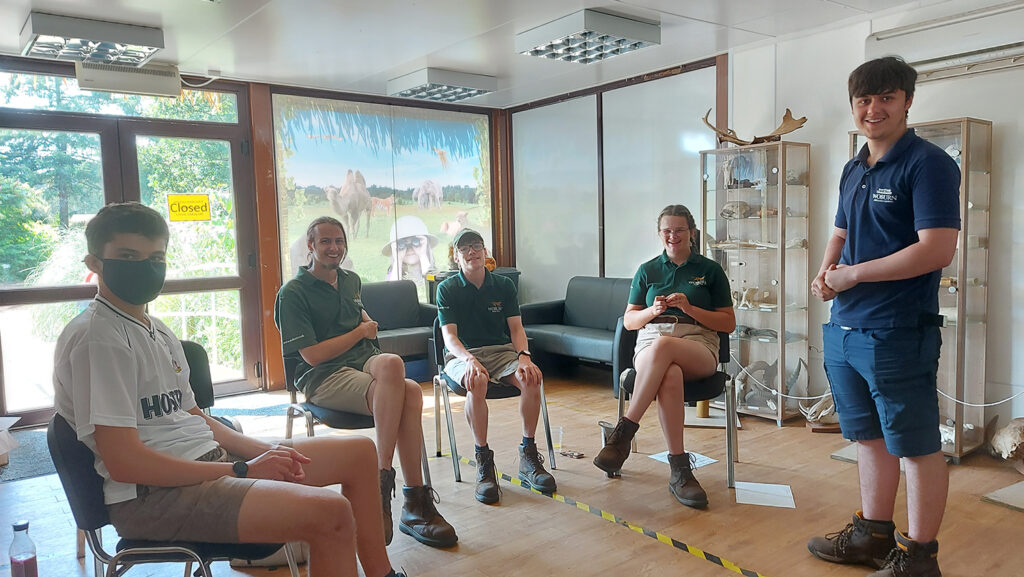
ZooStephen Communication and Presentation Skills workshop was run at Woburn Safari Park in July for members of staff from different departments that had joined since April 2021. This full day workshop was designed to give a range of background to zoos, practical communication skills and consideration of customer care issues.

The group were great and we enjoyed activities from story-telling to tongue-twisters and most importantly the day helped build confidence in speaking to others. Covid restrictions had just been lifted in England, however, we maintained comfortable social distancing and optional mask wearing in the session. It was so much better than via online systems and great to properly interact and react to the group’s needs.

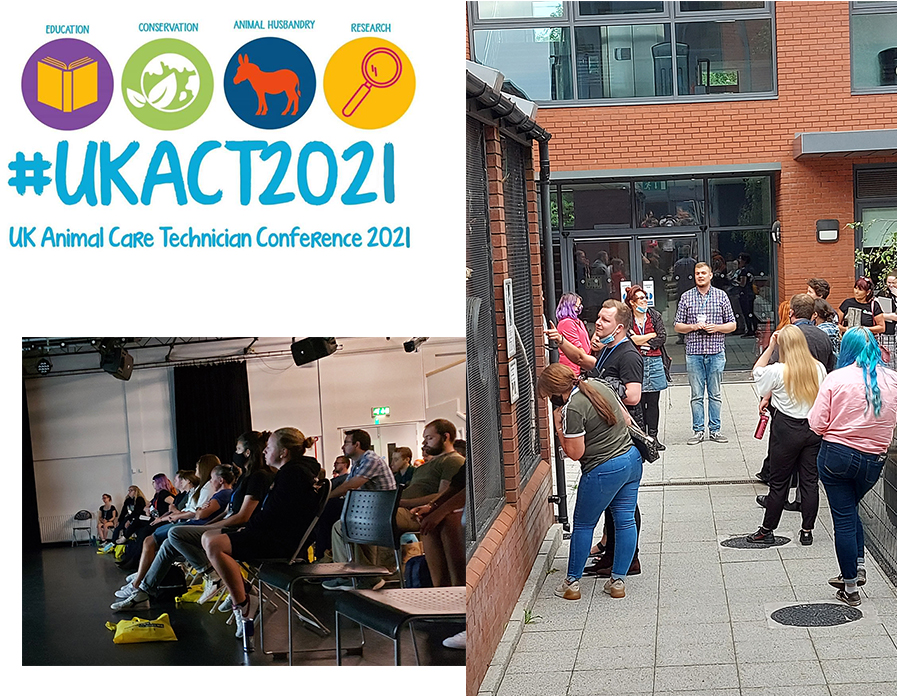
Being invited to be the keynote speaker, and run a workshop, at the first UK Animal Care Technician’s conference was the other highlight of July. This had been delayed for a year, so UKACT2020 became UKACT2021 and thanks to the hard work of Joe Cooke and team at Halesowen College, West Midlands, and the attendees from all over the UK, it was a great success.

It was wonderful to be able to speak on ‘education and collaboration’ to a room full of people, to react and receive reaction. My workshop on demonstration and presentation skills was to give a flavour of how technicians can better be prepared for and to support student learning and activities. With good weather we were also able to enjoy lunch outside and spend time looking at the animal collection at the college.

Animal Care Technicians in colleges are responsible for a diversity of animals, whose main role is to assist the training and development of those who wish to pursue a career in animal care. The animal collections in some colleges are licensed zoos, and species kept range from rabbits and goats to iguanas and lemurs. There are also good collections of invertebrates and some aquatics.

Zookeepers have had ABWAK (Association of British and Wild Animal Keepers) to help their networking, training and development, for nearly 50 years, UKACT is providing a great network, using a facebook group and now this first, day long, conference for the animal care technicians.

Fingers crossed with the roll out of vaccines and appropriate mitigation the worst of the Covid situation is over. However, I am mindful of the disparity in vaccine provision across the world. However, I am very pleased to have just taken on two international projects, more will be shared in due course – these are with the Environment & Protected Areas Authority (EPAA) of Sharjah, United Arab Emirates; and with Orangutan Haven (SOCP and YEL) in Medan, Indonesia.

Optimism in the face of adversity?

The world has a virus. Normal life is suspended… but nature continues.

These are very difficult times for many people. The efforts to control the spread of covid-19 ‘locking-down’ communities and countries has meant physical isolation and separation, not just from each other but also from nature. In some respects, nature is pleased with this – the levels of air pollution are down, spring breeding is less disturbed etc.

ZooStephen, like most self-employed service providers has almost shut down with huge loss of business and income – hopefully temporary; I have been able to continue some remote/online activity. One of my favourite training events, teaching on the Durrell Endangered Species Management Graduate Certificate (DESMAN) at the Durrell Academy in Jersey at the start of April was not possible. However, I was pleased to create a suite of online material, resources and video to enable the participants to undertake the ‘Education Theory & Practice’ module without my physical presence.

DESMAN 2020 Participants, Jersey

It was lovely to receive some feedback that even in this modified version, it was “amazing” “enjoyed” and a “favourite” part of the 12 week DESMAN course. The participants represent projects and activity from across the world including Madagascar, Indonesia, St Lucia and Brazil. Although I didn’t get to interact with them, I always feel more optimistic for the future of conservation when I work with these amazing people, who will make a real difference for nature, the environment and their communities in the years to come.

Back home, in Scotland, I am missing going out into the wider countryside and walking in the trees, mountains, coasts… at least I live in a semi-rural area and can enjoy the immediate surroundings of my village. It has in some ways been good to see local people also discovering the local environment for their occasional exercise – obviously maintaining social/physical distancing. Perhaps, once this crisis is abated there will be a new ‘normal’ and people will appreciate each other and the environment more.

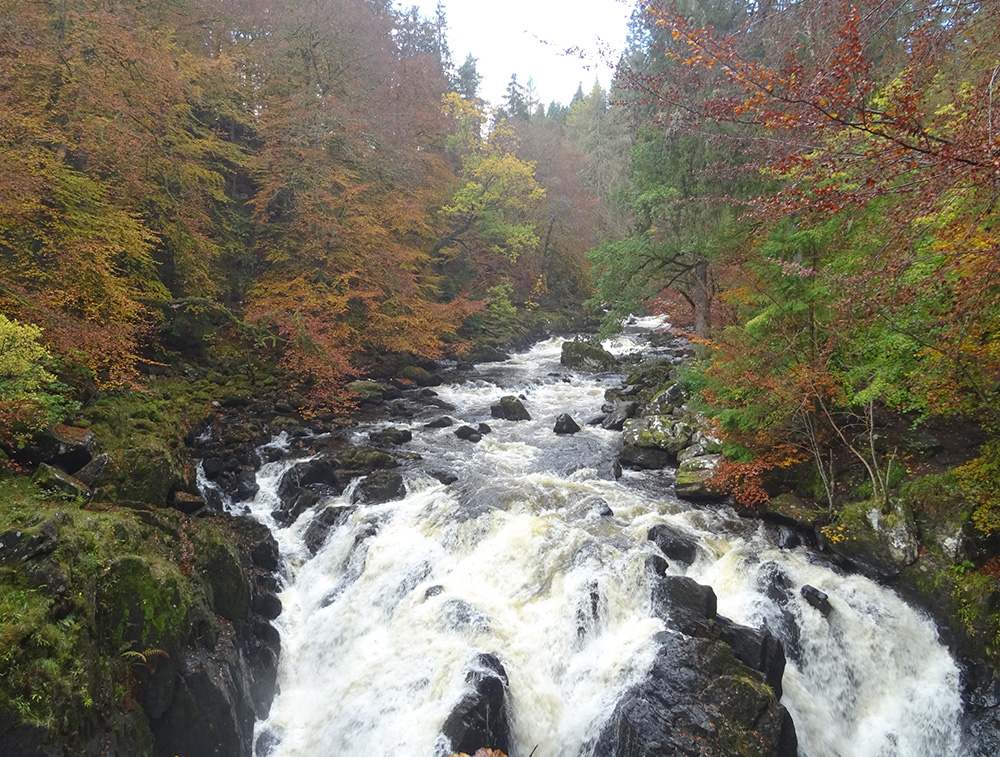
Hermitage Waterfall, Big Tree Country near Dunkeld, Perthshire

At this time I am also really pleased to have just become a Trustee of the Perth & Kinross Countryside Trust www.pkct.org . I hope to help encourage and promote engagement in the countryside across my home county, from Big Tree Country to the Cateran Trail and more. I am optimistic that in Scotland, we will value our environment more and improve our relationship to nature & recognise its importance for health and well being. I also hope we will be supportive of a more sustainable and ecological lifestyle – that may be a challenge, but this is a great opportunity to try.

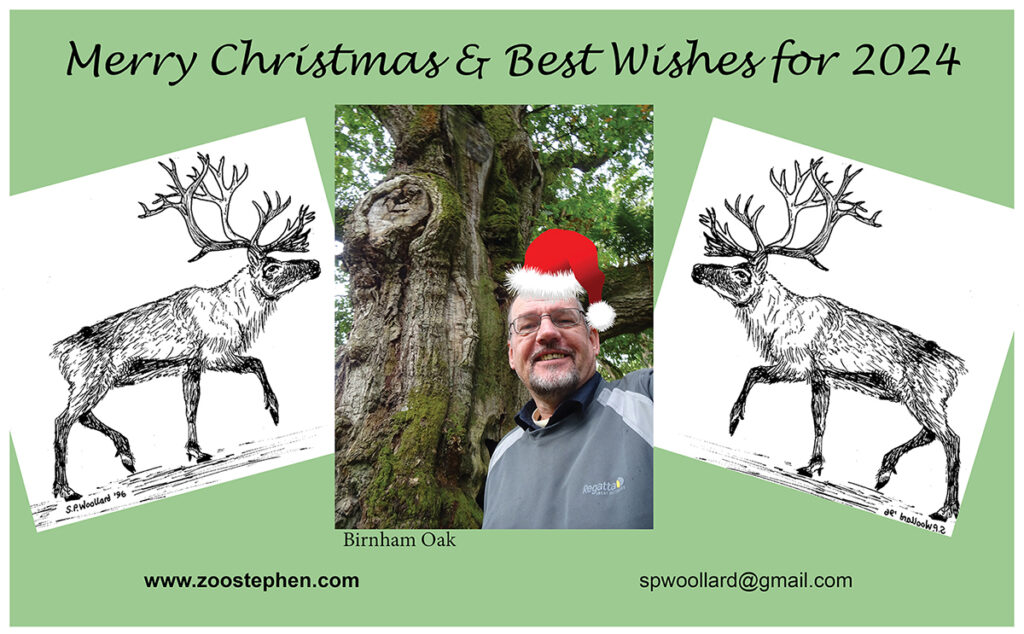
At the Birnham Oak, at least 600 years old, the last remnant of the ancient forest featured by Shakespeare in ‘Macbeth’