Tag Archives: Sparsholt College

Experiential Learning at Dudley Zoo

There are many ways to learn and expand knowledge. There is undoubtedly a place for lectures, books, private study and classroom activity. However, a lot of ‘theoretical’ and ‘philosophical’ learning is put into context and enhanced by opportunity to engage ‘in the field’ and undertake experiential learning.

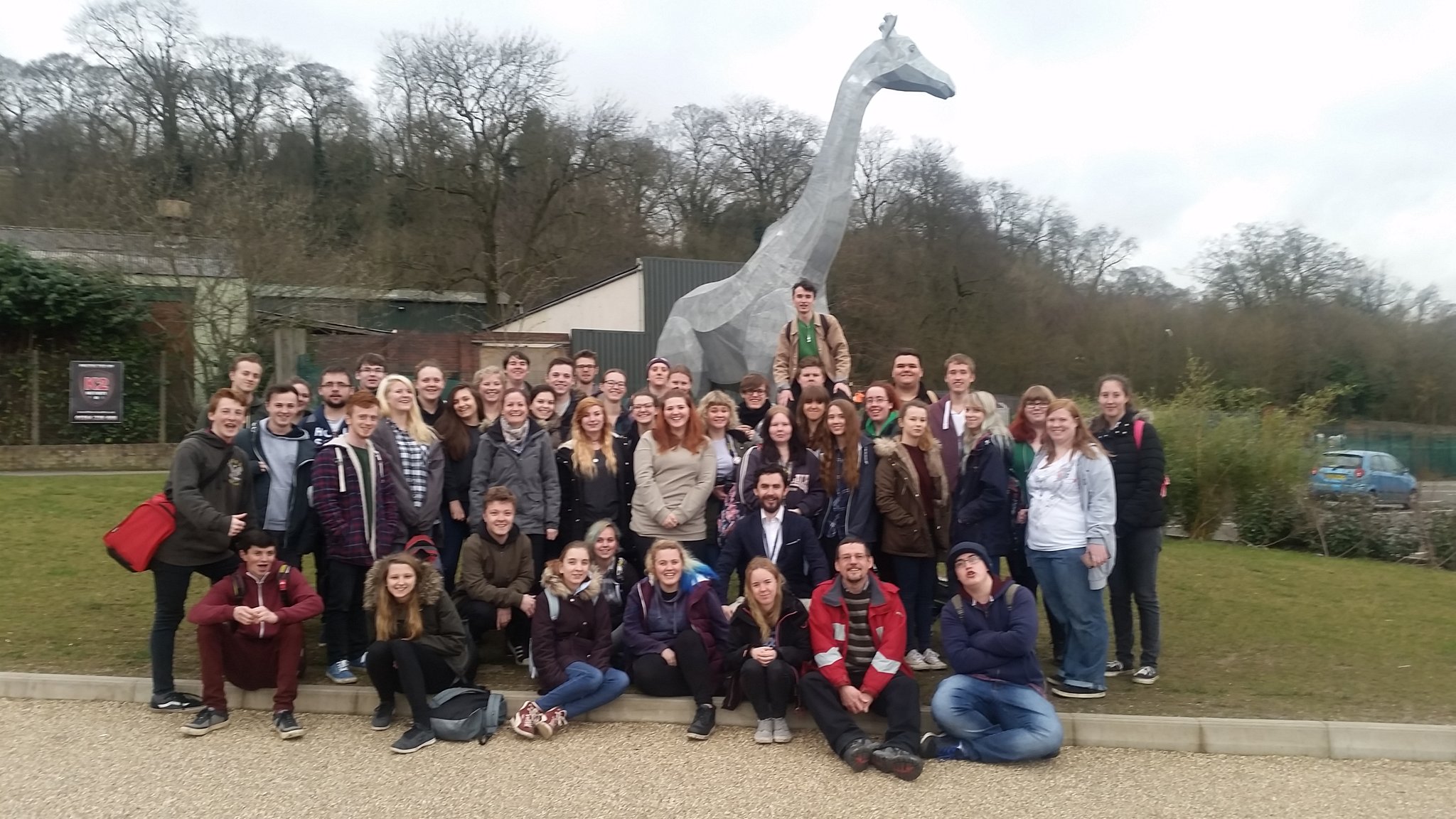
I was delighted to lead students from Sparsholt College, Hampshire on a field trip to Dudley Zoological Gardens so that they could fully appreciate the practicalities of operating a zoo, designing enclosures for diverse species, and working within the constraints and opportunities of a historic site of national importance with Dudley Castle, and the important (and listed) 20th century modernist architecture of Tecton buildings – and on a hill.
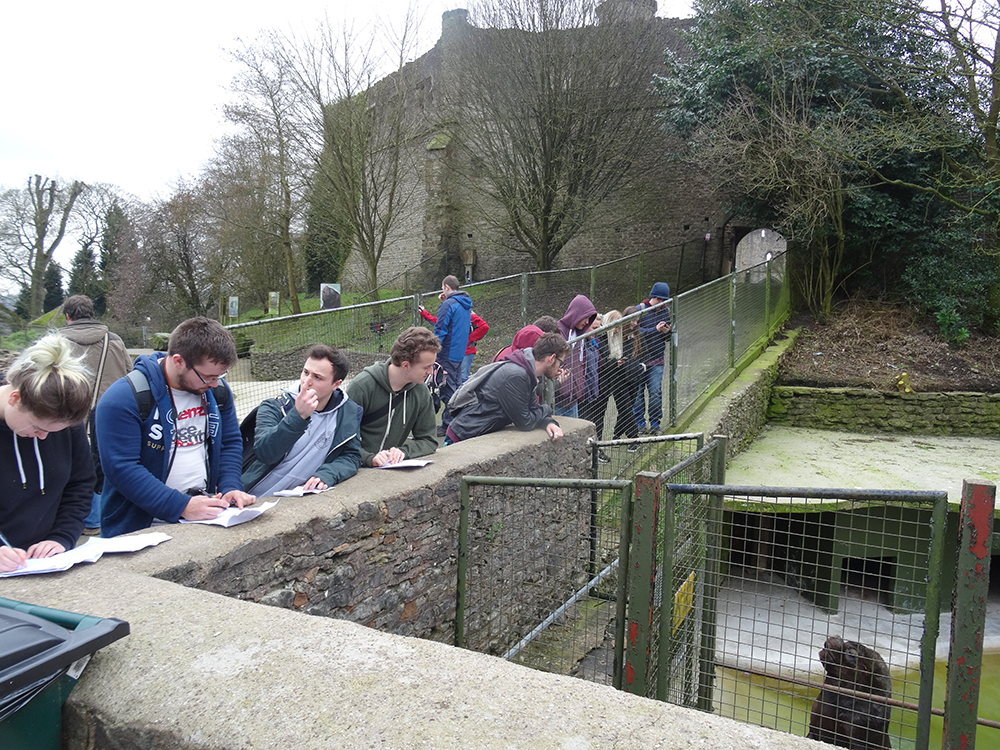
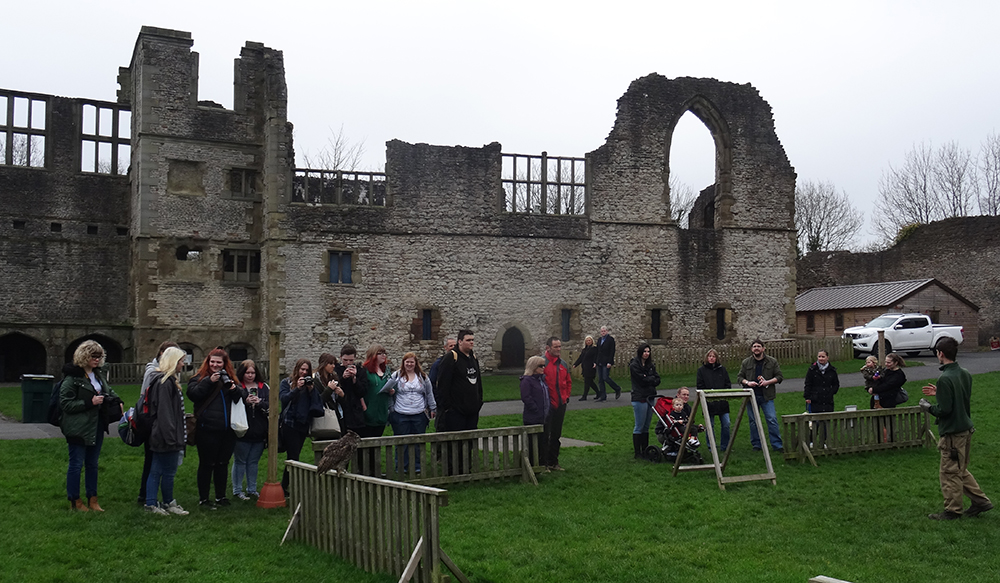
Dudley Zoo celebrates its 80th year this year, and has seen many changes in both species and exhibits in this time, which includes the original ‘Tecton‘ buildings for animals such as polar bears and elephants (no longer kept) and their adaptation for other species, as well as the creation of a diversity of other exhibits from chimpanzees to Asiatic lions on the site. Comments and questions from the students in response to seeing and experiencing the site illustrated the value of spending time exploring and discovering, as well having some guided time and developing real understanding of the way in which the zoo has worked to cater for the animals, staff and visitors.

Zoo visits enable students to ask questions, to observe and to develop and challenge opinions. Zoos are varied and there are diverse issues faced. Students understand through their own experiences what challenges there are, and that keepers are working hard for their animals and within constraints of budgets as well as site.

Through the day Dudley Zoo staff were welcoming, friendly and happy to answer questions. It was therefore, great to end the day with opportunity to question the zoo curator and registrar, and hear about some of the history but also the work in progress and development plans.

So a day out may appear to be ‘fun’ and even ‘time off’ but in fact such a visit consolidates and extends learning and understanding, providing context and experience – and is highly recommended!
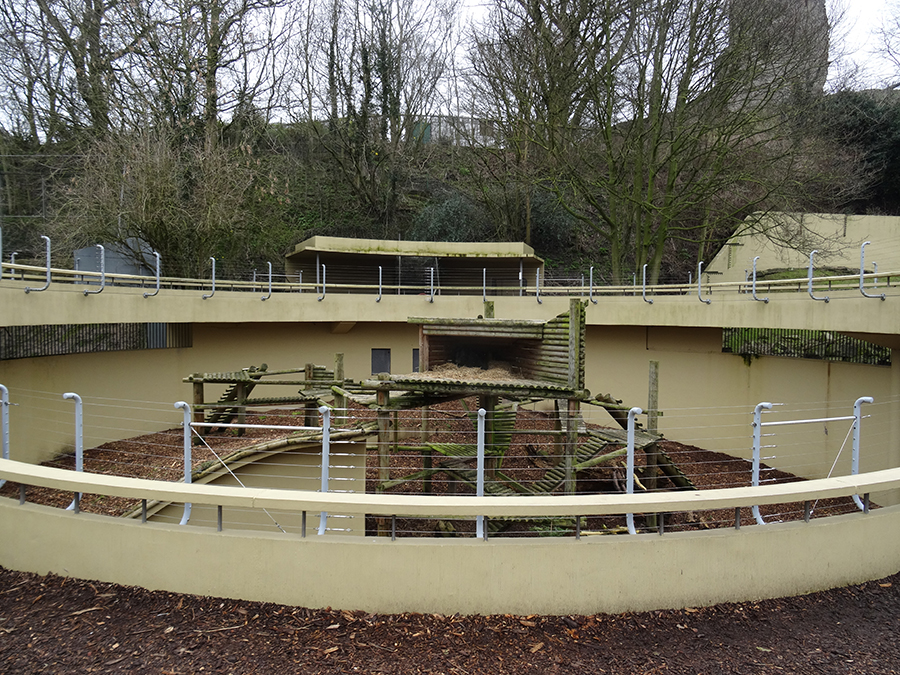
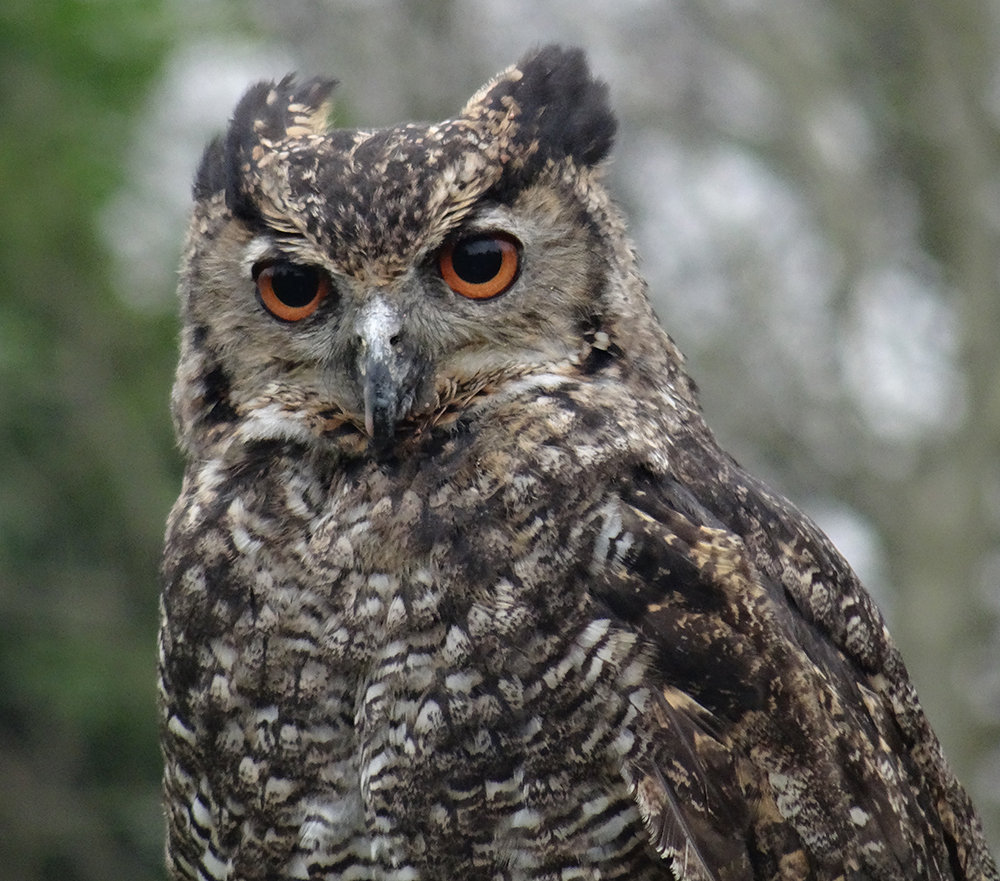
Dudley Zoo enclosures – Student visit

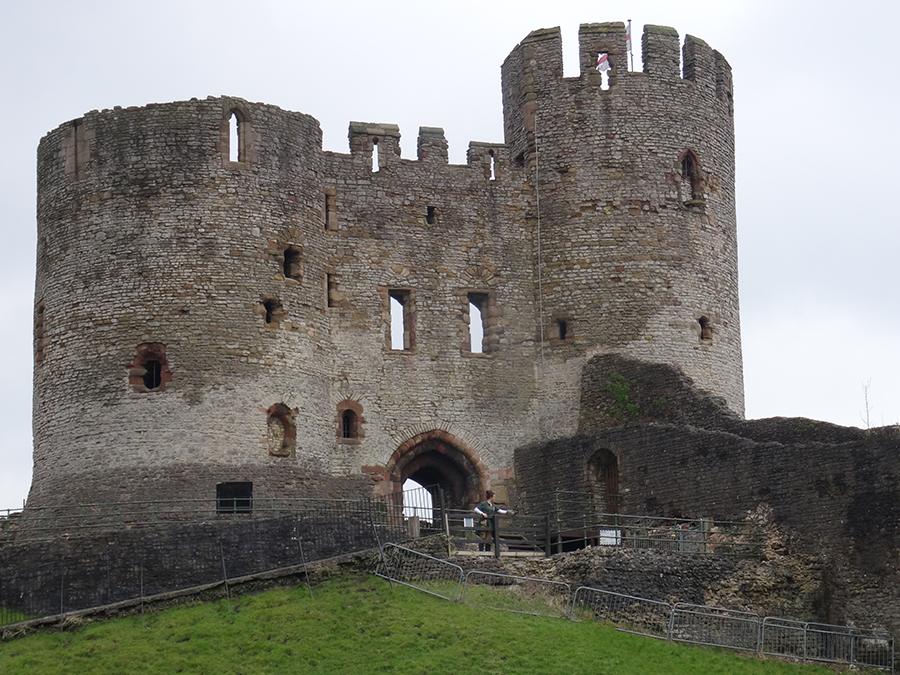
Dudley Zoo was opened in 1937 around the ruins of the castle on the hill. It is of particular note for the original features and enclosures designed by the Tecton partnership and Berthold Lubetkin.

DZGCastle

DZGTecton1


Lubetkin and Tecton created ‘modernist’ structures using pre-stressed reinforced concrete and in the 1930s this was revolutionary. Perhaps their most famous zoo structure is the ‘old’ penguin pool at London Zoo, but Dudley Zoo was designed with these structures throughout, and they made a real striking feature surrounding the ancient castle.

Not surprisingly Dudley Castle is a listed (protected) building of historic importance. However, the 12 Tecton structures that survive (the penguin pool was lost in 1979 due to dilapidation) are now listed Grade II or II* and have World Monument Fund status.  This means that as a zoo, Dudley has a significant additional asset and burden – buildings of great historic importance, but ones that have to be maintained alongside the zoo, even when the suitability for their original inhabitants is passed. It calls for lateral thinking and budgeting – ideal for students to study and review.

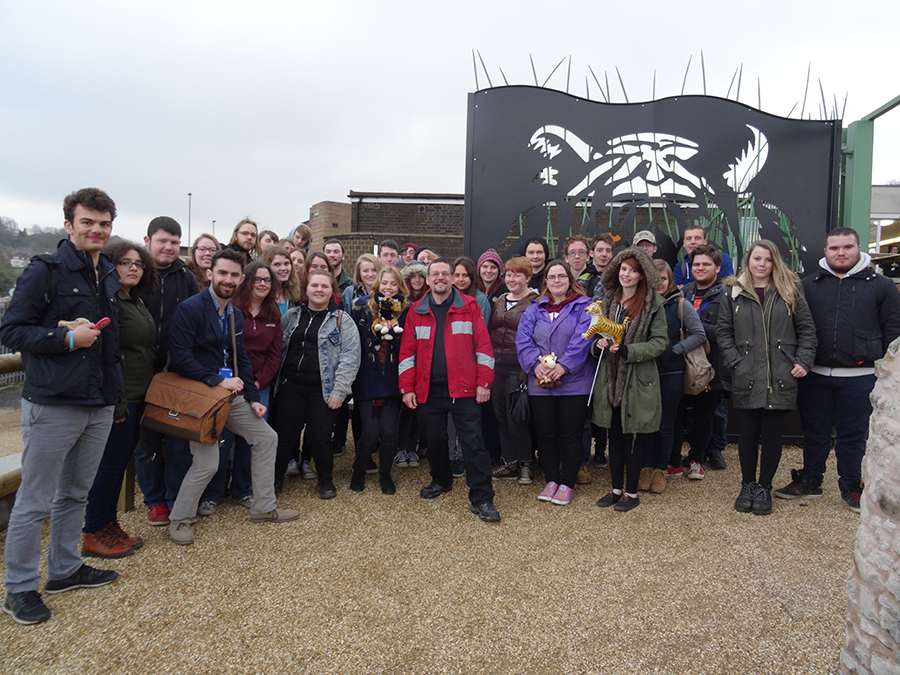
I was therefore delighted to work with a group of nearly 40 animal care students from Sparsholt College, Hampshire, on a visit to Dudley Zoo last week looking at enclosure design and contrasting Dudley to other zoos they had visited.

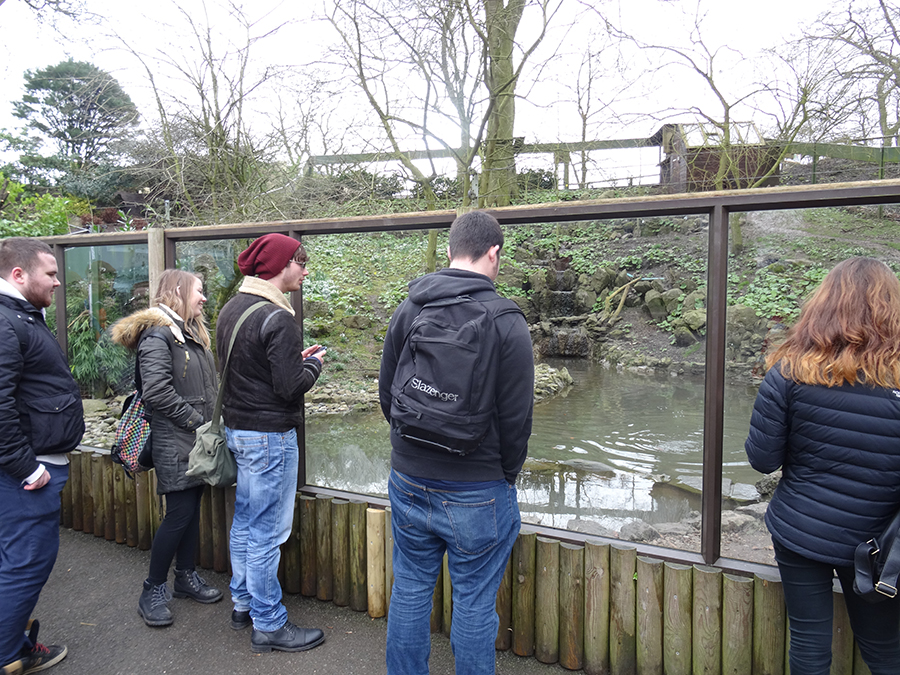
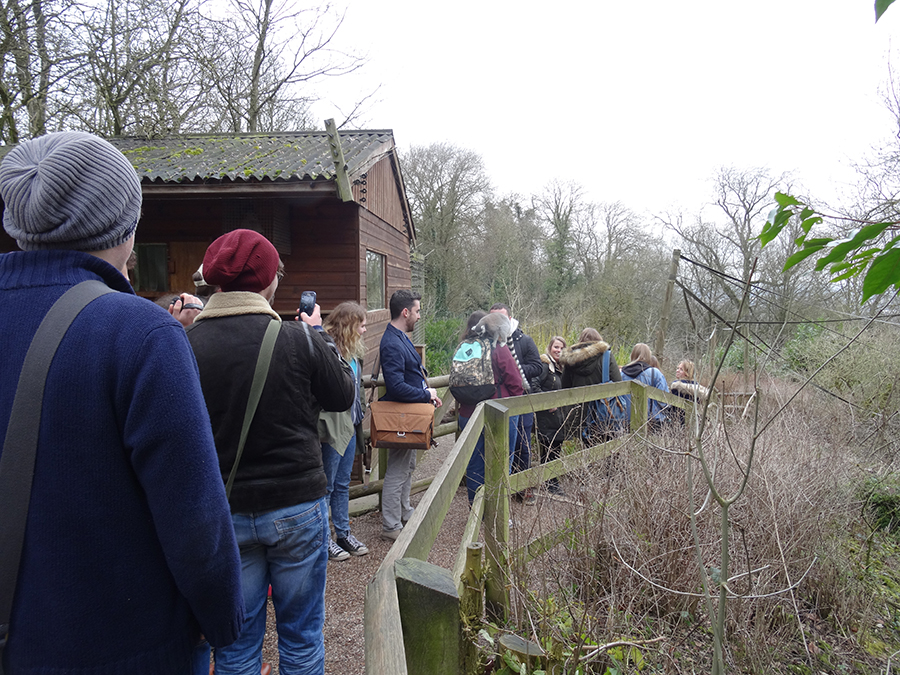
Dudley Zoo has done well in ‘adapting’ old Tecton structures and making them usable and suitable habitats for other species – largely by adding substrates; such as bark; and features such as climbing frames and plants. The rest of the site also has some cost effective enclosure designs using features of the hill and landscape, eg gelada baboons, otters, walk-through lemur wood.

DZGotter

DZGlemurDZGpenguin


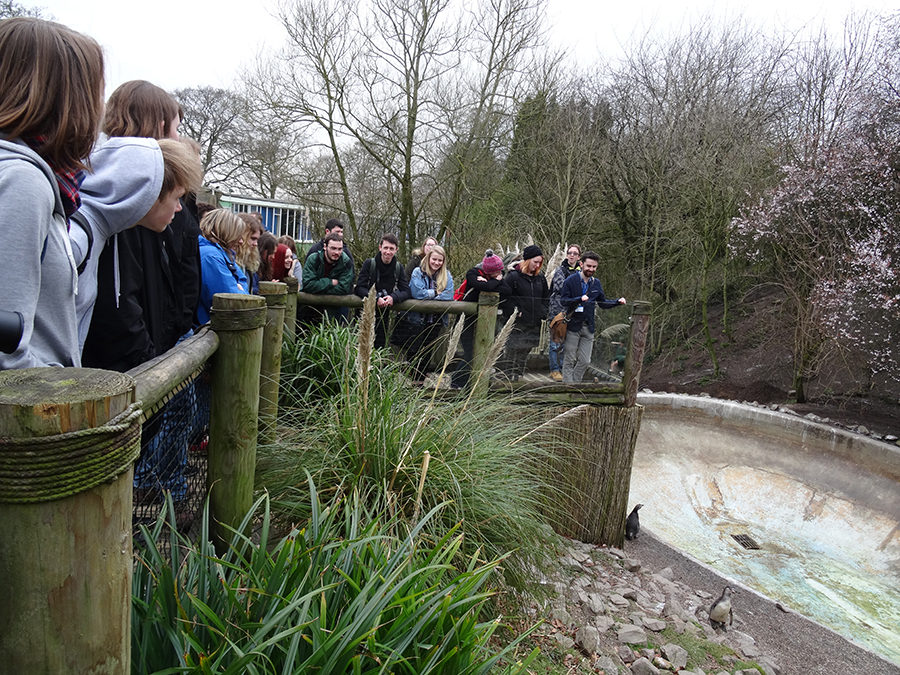
The students were able to focus upon how the needs of animals, keepers and visitors are met through the different approaches and styles of enclosure, as well as appreciate the constraints and limitations listed buildings have upon a zoo, as well as experience this unique zoo, castle, bird of prey display and talks on sealions and penguins.

Dudley Zoo staff were very helpful answering questions, and the students also got to meet the zoo director. This visit enabled learning outcomes relating to assessing and evaluating enclosures; comparing and contrasting different zoos and understanding zoo design and development within constraints of site and budget.

Thanks to all involved for a good day at the zoo!

DZGSparsholt